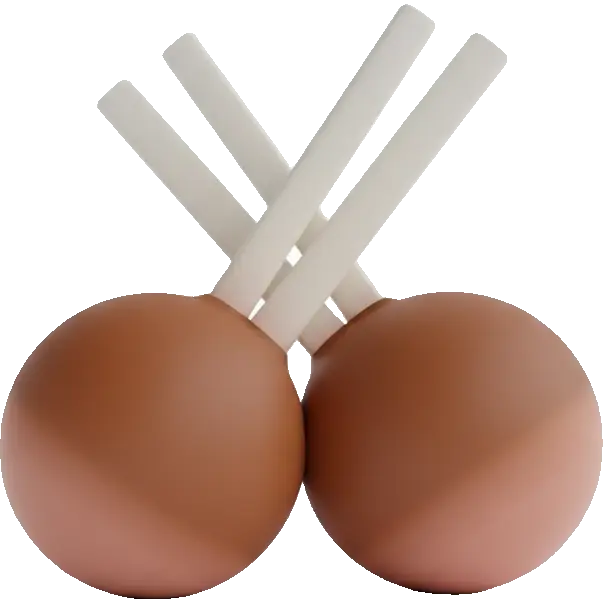
lamb chops
Meat
Is lamb chops high in low fermentation?
Is lamb chops high or low in low fermentation? See its exact rating, how much counts as a portion, and its FODMAP, salicylate, oxalate and diet compatibility in one place.
Related checkers
Compare lamb chops across criteria
Sensitivity notes
Why low fermentation food checker matters
SIBO (Small Intestinal Bacterial Overgrowth) diets focus on reducing fermentable foods that feed bacteria in the small intestine. Low-fermentation foods help manage symptoms like bloating, gas, and abdominal discomfort.
- Low-fermentation eating reduces food for overgrown bacteria
- Meal spacing (4-5 hours) allows the MMC to clear the gut
- Avoid grazing - structured meals are better
- Some find the elemental diet helpful under medical supervision
- Address underlying causes with your healthcare provider
Sensitivities
What lamb chops contains
FODMAPs
Histamine & Amines
Plant compounds
Irritants
Additives
Allergens
Diet fit
Where lamb chops fits
Therapeutic diets
Lifestyle diets
Religious diets
What to know about lamb chops
Lamb chops grade clean on gluten, lactose, FODMAPs, nickel, salicylates, oxalates, sulfites, nitrites and free glutamate, with mild rather than high grades for histamine, histamine liberation and tyramine. What makes a chop worth its own page is not its chemistry but its cooking. Chops are cut thin, taken to a hard sear over direct flame and prized for the charred fat edge, and that specific style of cooking is what produces heterocyclic amines in the muscle and polycyclic aromatic hydrocarbons in the smoke from dripping fat. The mild amine grades matter for the same reason: they describe a fresh chop, and they climb the longer the meat is aged, chilled or reheated.
Watch for
- Mild histamine and tyramine (both graded B) in a fresh chop.Both rise with time, so dry aged lamb, chops that have sat several days in the fridge and reheated leftovers all sit well above the grade shown here
- Graded a mild histamine liberator (B), which means a reaction can appear even when the meat itself is genuinely fresh.On its own that is minor. Plated alongside red wine, aged cheese or a tomato sauce it stops being minor
- Char is the cut specific issue.Heterocyclic amines form in muscle meat cooked hot and long, and polycyclic aromatic hydrocarbons arrive in the smoke when fat drips onto flame. Trimming the fat cap, keeping flare-ups down, turning the chops often and cutting away blackened edges cuts the exposure substantially
- The marinade is usually where the actual triggers live.Garlic, onion, red wine, yoghurt and lemon are the standard treatments for lamb chops and each brings something the plain meat does not, from fructans to histamine to histamine liberation
- Graded borderline on DASH as a fattier cut, and restaurant or takeaway chops usually arrive heavily salted on top of that



Explore related in Meat
Compare similar foods to build a personalized list of swaps that work for your system.
Low Fermentation Guide
Everything you need to know about low fermentation sensitivity and smart food choices.
SIBO (Small Intestinal Bacterial Overgrowth) diets focus on reducing fermentable foods that feed bacteria in the small intestine. Low-fermentation foods help manage symptoms like bloating, gas, and abdominal discomfort.
Sensitivity varies widely. What triggers one person may be fine for another. Track your reactions to find your personal threshold.
These foods are generally well-tolerated for Low Fermentation sensitivity:
View all safe options





These foods have moderate levels and may be tolerated in small amounts:








These foods are high in low fermentation and may trigger symptoms:
View full list






If you're sensitive to Low Fermentation, consider these strategies:
- 1Low-fermentation eating reduces food for overgrown bacteria
- 2Meal spacing (4-5 hours) allows the MMC to clear the gut
- 3Avoid grazing - structured meals are better
- 4Some find the elemental diet helpful under medical supervision
- 5Address underlying causes with your healthcare provider
Pro tip: Keep a food diary to track your reactions. The Triggerbites app makes this easy with automatic pattern detection.
Want personalized tracking?
Download Triggerbites to log meals, track symptoms, and discover your unique triggers.
Get the AppFAQ
Is lamb chops high in Low Fermentation?
Low Fermentation: low signal for most people.
Can I still eat lamb chops if I'm sensitive to Low Fermentation?
Usually fine in normal portions.
What else should I check?
Check Alpha-gal, Vegan, and Vegetarian next for a fuller picture.