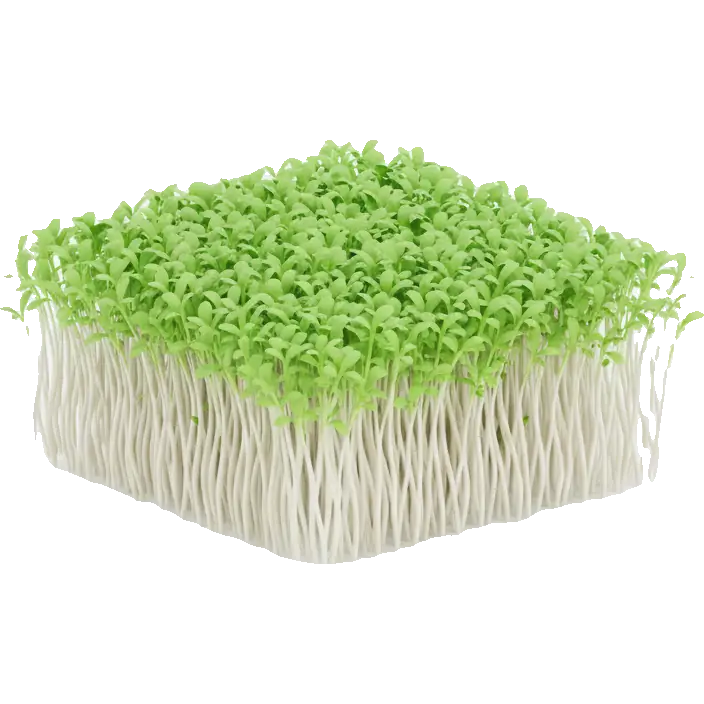
cress seed
Herbs & Spices
Is cress seed high in low fermentation?
Is cress seed high or low in low fermentation? See its exact rating, how much counts as a portion, and its FODMAP, salicylate, oxalate and diet compatibility in one place.
Related checkers
Compare cress seed across criteria
Sensitivity notes
Why low fermentation food checker matters
SIBO (Small Intestinal Bacterial Overgrowth) diets focus on reducing fermentable foods that feed bacteria in the small intestine. Low-fermentation foods help manage symptoms like bloating, gas, and abdominal discomfort.
- Low-fermentation eating reduces food for overgrown bacteria
- Meal spacing (4-5 hours) allows the MMC to clear the gut
- Avoid grazing - structured meals are better
- Some find the elemental diet helpful under medical supervision
- Address underlying causes with your healthcare provider
Sensitivities
What cress seed contains
FODMAPs
Histamine & Amines
Plant compounds
Irritants
Additives
Allergens
Diet fit
Where cress seed fits
Therapeutic diets
Lifestyle diets
Religious diets
What to know about cress seed
Cress seed is the tiny red brown seed of garden cress, Lepidium sativum, sold across South Asia as halim or aliv and stirred into water, milk or ladoos as a home iron and lactation tonic. On the graded triggers it comes out remarkably quiet: clean on histamine, salicylate, oxalate, nickel, gluten, lactose and glutamate, with the one flag being that it is graded out of AIP the way every seed is. Its real story sits outside those columns. Cress seed is a brassica, family to mustard, radish and rocket, and it is dense in glucosinolates, the compounds behind its peppery bite that can interfere with iodine uptake by the thyroid when intake is high and sustained. It also swells into a mucilage gel within minutes of touching liquid, so a level teaspoon of dry seed behaves like a much bigger dose once it is inside you.
Watch for
- Brassica glucosinolates, which are goitrogenic.A pinch of cress seed sprinkled on food is not the exposure that matters. Daily supplement sized spoonfuls taken for months are, and they are the way halim seed is usually recommended. If you have hypothyroidism, a goitre, or you are on thyroid replacement, this is a food to raise with whoever manages your dose rather than one to self prescribe
- Traditionally used as an emmenagogue and to bring on labour, which is exactly why it is avoided in pregnancy.Human safety data is thin, so the sensible reading is that a plant with a folk reputation for stimulating the uterus is not one to start taking daily while pregnant
- Not AIP compliant.Autoimmune protocol elimination removes seeds and, separately, tends to be cautious with concentrated brassica preparations, so halim seed belongs in the reintroduction pile rather than the base diet
- The mucilage is the practical trap.Cress seed absorbs many times its own weight in water and gels fast, so a dry spoonful chased with too little liquid can sit heavy and feel bloating even though the seed is graded clean on FODMAPs and fine for SIBO fermentation. Soak it first
- Its FODMAP grade is unrated rather than measured, so a clean gut profile here is an absence of data as much as a green light




Explore related in Herbs & Spices
Compare similar foods to build a personalized list of swaps that work for your system.

Low Fermentation Guide
Everything you need to know about low fermentation sensitivity and smart food choices.
SIBO (Small Intestinal Bacterial Overgrowth) diets focus on reducing fermentable foods that feed bacteria in the small intestine. Low-fermentation foods help manage symptoms like bloating, gas, and abdominal discomfort.
Sensitivity varies widely. What triggers one person may be fine for another. Track your reactions to find your personal threshold.
These foods are generally well-tolerated for Low Fermentation sensitivity:
View all safe options







These foods have moderate levels and may be tolerated in small amounts:








These foods are high in low fermentation and may trigger symptoms:
View full list






If you're sensitive to Low Fermentation, consider these strategies:
- 1Low-fermentation eating reduces food for overgrown bacteria
- 2Meal spacing (4-5 hours) allows the MMC to clear the gut
- 3Avoid grazing - structured meals are better
- 4Some find the elemental diet helpful under medical supervision
- 5Address underlying causes with your healthcare provider
Pro tip: Keep a food diary to track your reactions. The Triggerbites app makes this easy with automatic pattern detection.
Want personalized tracking?
Download Triggerbites to log meals, track symptoms, and discover your unique triggers.
Get the AppFAQ
Is cress seed high in Low Fermentation?
Low Fermentation: low signal for most people.
Can I still eat cress seed if I'm sensitive to Low Fermentation?
Usually fine in normal portions.
What else should I check?
Check AIP, Low Fibre, and Gastroparesis Diet next for a fuller picture.