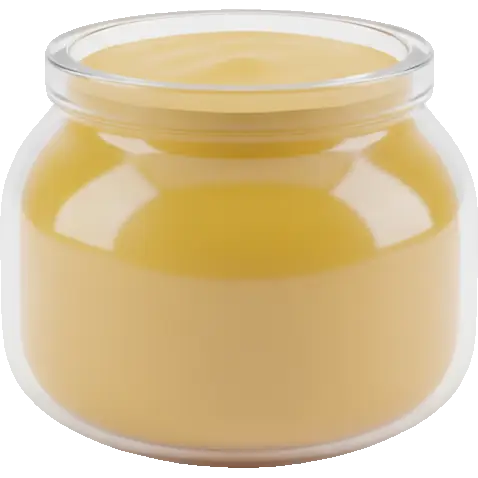
ghee
Oils & Fats
Is ghee high in salicylates?
Is ghee high or low in salicylates? See its exact rating, how much counts as a portion, and its FODMAP, salicylate, oxalate and diet compatibility in one place.
Related checkers
Compare ghee across criteria
Sensitivity notes
Why salicylates food checker matters
Salicylates are natural chemicals found in many fruits, vegetables, herbs, and spices. They're related to aspirin and can cause reactions in sensitive individuals including hives, asthma symptoms, nasal congestion, and digestive issues.
- Start by eliminating the highest sources: spices, herbs, and concentrated products
- Peel fruits and vegetables when possible to reduce salicylate content
- Fresh is usually better tolerated than dried or concentrated
- Build up tolerance slowly by reintroducing foods one at a time
- Sensitivity often improves with gut healing over time
Sensitivities
What ghee contains
FODMAPs
Histamine & Amines
Plant compounds
Irritants
Additives
Allergens
Diet fit
Where ghee fits
Therapeutic diets
Lifestyle diets
Religious diets
What to know about ghee
Ghee is Indian clarified butter, simmered longer than French clarified butter until the milk solids toast and turn nutty before they are strained out. Cooking off the water and browning away the solids leaves nearly pure butterfat, so ghee grades clean on lactose and is effectively lactose free, which is why it suits lactose intolerance where butter or cream does not. The milk proteins largely depart with the solids too, which is why it grades clean on dairy protein, though a severe milk allergy should still respect the traces. Central to Ayurvedic cooking, ghee is concentrated saturated fat, so it is graded pro-inflammatory and high in lectins.
Watch for
- Effectively lactose free and graded clean, because the simmering strains out the milk solids that carry the sugar, so it usually sits fine with lactose intolerance
- Graded clean on dairy protein because most casein and whey leave with the browned solids, though trace protein means a severe milk allergy still warrants caution
- Pro-inflammatory and high in lectins by our grading, so it does not fit AIP, Mediterranean or DASH patterns



Explore related in Oils & Fats
Compare similar foods to build a personalized list of swaps that work for your system.
Salicylates Guide
Everything you need to know about salicylates sensitivity and smart food choices.
Salicylates are natural chemicals found in many fruits, vegetables, herbs, and spices. They're related to aspirin and can cause reactions in sensitive individuals including hives, asthma symptoms, nasal congestion, and digestive issues.
Sensitivity varies widely. What triggers one person may be fine for another. Track your reactions to find your personal threshold.
These foods are generally well-tolerated for Salicylates sensitivity:
View all safe options







These foods have moderate levels and may be tolerated in small amounts:








These foods are high in salicylates and may trigger symptoms:
View full list






If you're sensitive to Salicylates, consider these strategies:
- 1Start by eliminating the highest sources: spices, herbs, and concentrated products
- 2Peel fruits and vegetables when possible to reduce salicylate content
- 3Fresh is usually better tolerated than dried or concentrated
- 4Build up tolerance slowly by reintroducing foods one at a time
- 5Sensitivity often improves with gut healing over time
Pro tip: Keep a food diary to track your reactions. The Triggerbites app makes this easy with automatic pattern detection.
Want personalized tracking?
Download Triggerbites to log meals, track symptoms, and discover your unique triggers.
Get the AppFAQ
Is ghee high in Salicylates?
Salicylates: low signal for most people.
Can I still eat ghee if I'm sensitive to Salicylates?
Usually fine in normal portions.
What else should I check?
Check Lectin, Inflammation, and Vegan next for a fuller picture.