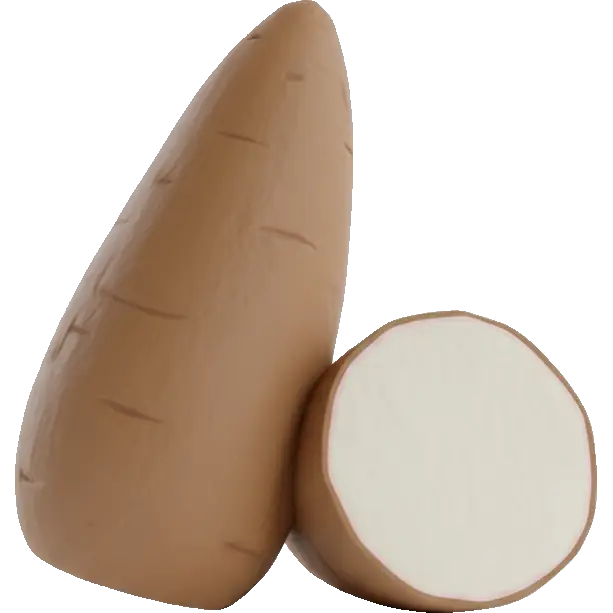
cassava
Vegetables
Is cassava high in salicylates?
Is cassava high or low in salicylates? See its exact rating, how much counts as a portion, and its FODMAP, salicylate, oxalate and diet compatibility in one place.
Related checkers
Compare cassava across criteria
Sensitivity notes
Why salicylates food checker matters
Salicylates are natural chemicals found in many fruits, vegetables, herbs, and spices. They're related to aspirin and can cause reactions in sensitive individuals including hives, asthma symptoms, nasal congestion, and digestive issues.
- Start by eliminating the highest sources: spices, herbs, and concentrated products
- Peel fruits and vegetables when possible to reduce salicylate content
- Fresh is usually better tolerated than dried or concentrated
- Build up tolerance slowly by reintroducing foods one at a time
- Sensitivity often improves with gut healing over time
Sensitivities
What cassava contains
FODMAPs
Histamine & Amines
Plant compounds
Irritants
Additives
Allergens
Diet fit
Where cassava fits
Therapeutic diets
Lifestyle diets
Religious diets
What to know about cassava
Cassava is the tropical root that tapioca is made from, and on the trigger panel it is quiet: A for gluten, histamine, histamine liberation, tyramine, nickel, sulfites, glutamates, lactose and nightshade, with FODMAPs its only moderate mark at B. The story worth telling about cassava is not a food chemistry sensitivity at all. The raw root contains cyanogenic glycosides, mainly linamarin, which release hydrogen cyanide when the root is damaged, so cassava has to be peeled and properly cooked before anyone eats it. Bitter cultivars carry far more of them than the sweet table varieties sold in Western shops, and every traditional cassava cuisine builds peeling, grating, soaking or fermenting and long cooking into the method for exactly that reason. Prepared normally it is one of the calmer gluten free staples for a sensitive gut. Eaten raw or half cooked it is genuinely dangerous, which is why this page leads with preparation rather than with a grade.
Watch for
- Raw or undercooked cassava is not food.The root carries cyanogenic glycosides that release cyanide, and peeling plus thorough cooking (boiling, roasting, or the traditional grate, soak and ferment) is what removes them.
- Bitter cultivars are the dangerous ones.Sweet table cassava is much lower in cyanogens, while bitter varieties eaten as a subsistence staple without full processing are linked to konzo, an irreversible paralytic disorder documented in cassava dependent regions during food shortages.
- Moderate FODMAP at B.Cassava is clean on fructans, GOS, excess fructose and polyols individually, so it is portion size rather than a specific sugar that catches people out on a big plate of boiled root.
- Salicylates and oxalates are unrated for the fresh root in our data.If you track either one, log cassava as unknown rather than assuming it is clear.
- Graded pro-inflammatory at E as a starchy, high glycemic staple.That is a dietary pattern note in the same bracket as potato and yam, not a sensitivity trigger.



Explore related in Vegetables
Compare similar foods to build a personalized list of swaps that work for your system.





Salicylates Guide
Everything you need to know about salicylates sensitivity and smart food choices.
Salicylates are natural chemicals found in many fruits, vegetables, herbs, and spices. They're related to aspirin and can cause reactions in sensitive individuals including hives, asthma symptoms, nasal congestion, and digestive issues.
Sensitivity varies widely. What triggers one person may be fine for another. Track your reactions to find your personal threshold.
These foods are generally well-tolerated for Salicylates sensitivity:
View all safe options






These foods have moderate levels and may be tolerated in small amounts:






These foods are high in salicylates and may trigger symptoms:
View full list


If you're sensitive to Salicylates, consider these strategies:
- 1Start by eliminating the highest sources: spices, herbs, and concentrated products
- 2Peel fruits and vegetables when possible to reduce salicylate content
- 3Fresh is usually better tolerated than dried or concentrated
- 4Build up tolerance slowly by reintroducing foods one at a time
- 5Sensitivity often improves with gut healing over time
Pro tip: Keep a food diary to track your reactions. The Triggerbites app makes this easy with automatic pattern detection.
Want personalized tracking?
Download Triggerbites to log meals, track symptoms, and discover your unique triggers.
Get the AppFAQ
Is cassava high in Salicylates?
Salicylates: higher signal - consider smaller servings or swaps.
Can I still eat cassava if I'm sensitive to Salicylates?
Best to avoid or test carefully with a small amount.
What else should I check?
Check Inflammation, Specific Carbohydrate, and Keto next for a fuller picture.