 Back to Salicylates food checker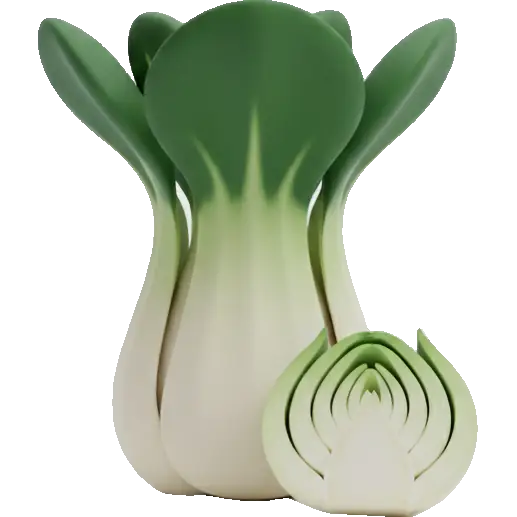
bok choy
Vegetables
Is bok choy high in salicylates?
Is bok choy high or low in salicylates? See its exact rating, how much counts as a portion, and its FODMAP, salicylate, oxalate and diet compatibility in one place.

Related checkers
Compare bok choy across criteria

Sensitivity notes
Why salicylates food checker matters
Salicylates are natural chemicals found in many fruits, vegetables, herbs, and spices. They're related to aspirin and can cause reactions in sensitive individuals including hives, asthma symptoms, nasal congestion, and digestive issues.
- Start by eliminating the highest sources: spices, herbs, and concentrated products
- Peel fruits and vegetables when possible to reduce salicylate content
- Fresh is usually better tolerated than dried or concentrated
- Build up tolerance slowly by reintroducing foods one at a time
- Sensitivity often improves with gut healing over time

Sensitivities
What bok choy contains
FODMAPs







Histamine & Amines



Plant compounds




Irritants




Additives



Allergens
















Diet fit
Where bok choy fits
Therapeutic diets










Lifestyle diets









Religious diets






What to know about bok choy
Bok choy is the brassica that behaves. It is graded strongly anti-inflammatory, low in oxalate (a real difference from spinach and chard), low histamine, and mild rather than heavy on FODMAPs, which is not something you can say about cauliflower or a bowl of cabbage. The honest caveat is salicylates, where it lands moderate, and volume: the FODMAP rating is mild, not zero, so a whole wok of it is a bigger ask than a side portion.
Watch for
- Moderate salicylate rating, the only food-chemistry flag it carries.If you are on a strict salicylate elimination it counts toward your daily total even though it is far below the high-salicylate produce
- Mild FODMAP rating rather than a clean one, so standard side-dish servings suit most sensitive guts while very large volumes can still push symptoms
- The stir-fry, not the green, is often the trigger: soy sauce brings gluten and free glutamate, garlic and onion bring fructans, and oyster sauce brings both.Cook it plain first if you are testing it



Explore related in Vegetables
Compare similar foods to build a personalized list of swaps that work for your system.





Salicylates Guide
Everything you need to know about salicylates sensitivity and smart food choices.
Salicylates are natural chemicals found in many fruits, vegetables, herbs, and spices. They're related to aspirin and can cause reactions in sensitive individuals including hives, asthma symptoms, nasal congestion, and digestive issues.
Sensitivity varies widely. What triggers one person may be fine for another. Track your reactions to find your personal threshold.

These foods are generally well-tolerated for Salicylates sensitivity:
View all safe options








These foods have moderate levels and may be tolerated in small amounts:






These foods are high in salicylates and may trigger symptoms:
View full list


If you're sensitive to Salicylates, consider these strategies:
- 1Start by eliminating the highest sources: spices, herbs, and concentrated products
- 2Peel fruits and vegetables when possible to reduce salicylate content
- 3Fresh is usually better tolerated than dried or concentrated
- 4Build up tolerance slowly by reintroducing foods one at a time
- 5Sensitivity often improves with gut healing over time
Pro tip: Keep a food diary to track your reactions. The Triggerbites app makes this easy with automatic pattern detection.
Want personalized tracking?
Download Triggerbites to log meals, track symptoms, and discover your unique triggers.
Get the AppFAQ
Is bok choy high in Salicylates?
Salicylates: moderate signal - portion size matters.
Can I still eat bok choy if I'm sensitive to Salicylates?
Try smaller portions and space it out.
What else should I check?
Check Low Salicylate, Low Fibre, and Gastroparesis Diet next for a fuller picture.