
olallieberry
Fruit
Is olallieberry high in polyols?
Is olallieberry high or low in polyols? See its exact rating, how much counts as a portion, and its FODMAP, salicylate, oxalate and diet compatibility in one place.
Related checkers
Compare olallieberry across criteria
Sensitivity notes
Why polyols food checker matters
Polyols (sugar alcohols) are found naturally in some fruits and vegetables, and are used as artificial sweeteners. They're poorly absorbed and can cause digestive symptoms, especially in IBS sufferers.
- Avoid sugar-free products with sorbitol, mannitol, xylitol, maltitol
- Stone fruits are naturally high in polyols
- Cooking doesn't reduce polyol content
- Avocado portion size matters - small amounts may be fine
- Cauliflower and mushrooms are common triggers
Sensitivities
What olallieberry contains
FODMAPs
Histamine & Amines
Plant compounds
Irritants
Additives
Allergens
Diet fit
Where olallieberry fits
Therapeutic diets
Lifestyle diets
Religious diets
What to know about olallieberry
The olallieberry is the older berry and the parent of the marionberry, released in 1949 and adopted by the California central coast, where it survives mainly as a u-pick crop and a pie filling. Its trigger profile is genuinely different from its famous offspring rather than a copy of it. Olallieberry is clean on histamine content and low in oxalate, and only mildly salicylate, but it is high FODMAP, high in polyols, carries more free fructose than marionberry, and picks up a mild histamine liberator flag. It is also graded poorly for SIBO.
Watch for
- Two sugars pulling in the same direction: high polyols plus a moderate amount of unabsorbed fructose.That pairing tends to be felt more sharply than either one alone, because the fructose keeps arriving in the colon while the sorbitol is already drawing in water
- Graded poorly for fermentation in SIBO, so it is a fruit to trial in small amounts if you are working through a SIBO protocol rather than one to reintroduce early
- Mild histamine liberator grade even though the berry itself is graded low in histamine content.Worth logging if you get flushing or itch from foods that are supposedly low-histamine
- Carries a mild nickel grade, unlike marionberry, which is graded clean there.Only relevant if you have systemic nickel allergy and are counting daily intake
- Nobody eats one olallieberry.It is a picked-by-the-bucket, baked-into-a-deep-pie berry, and the serving sizes that come with that habit are what convert a dose-dependent polyol into symptoms



Explore related in Fruit
Compare similar foods to build a personalized list of swaps that work for your system.


Polyols Guide
Everything you need to know about polyols sensitivity and smart food choices.
Polyols (sugar alcohols) are found naturally in some fruits and vegetables, and are used as artificial sweeteners. They're poorly absorbed and can cause digestive symptoms, especially in IBS sufferers.
Sensitivity varies widely. What triggers one person may be fine for another. Track your reactions to find your personal threshold.
These foods are generally well-tolerated for Polyols sensitivity:
View all safe options







These foods have moderate levels and may be tolerated in small amounts:


These foods are high in polyols and may trigger symptoms:
View full list
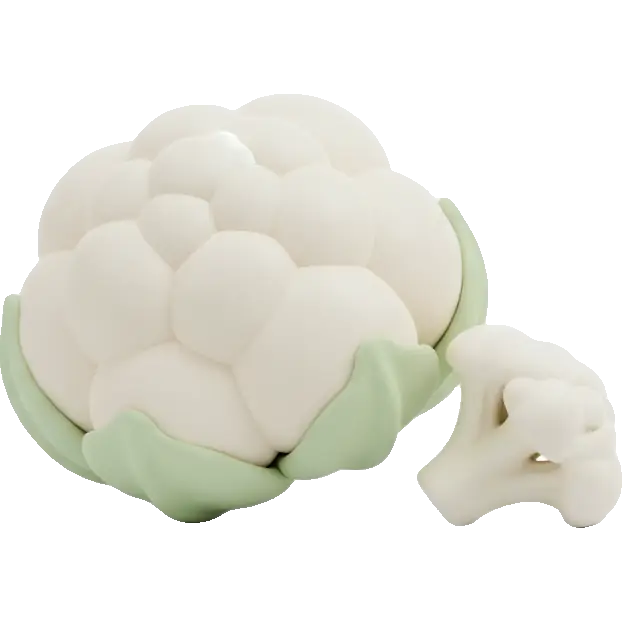

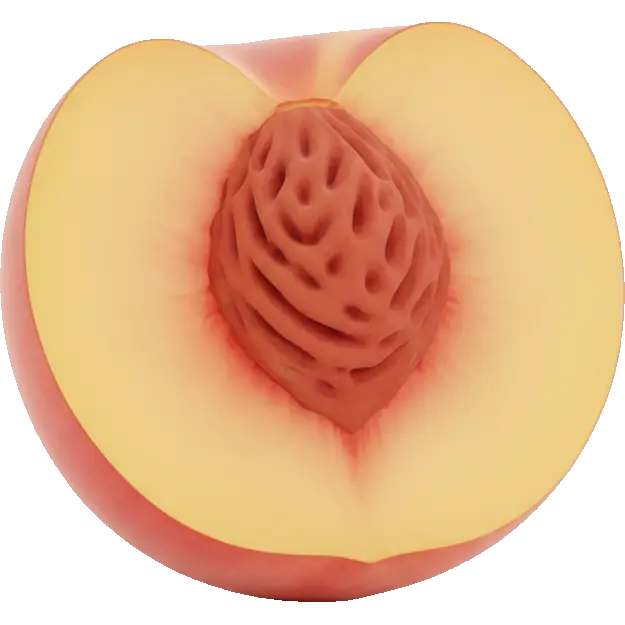
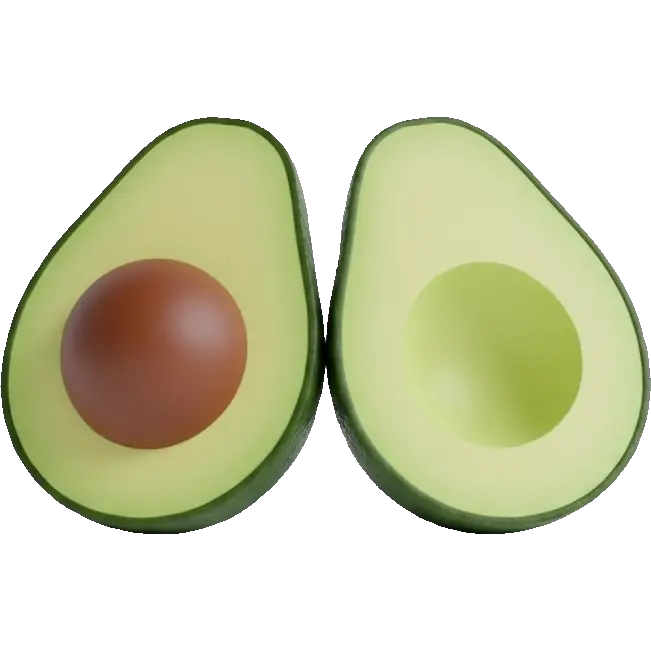
If you're sensitive to Polyols, consider these strategies:
- 1Avoid sugar-free products with sorbitol, mannitol, xylitol, maltitol
- 2Stone fruits are naturally high in polyols
- 3Cooking doesn't reduce polyol content
- 4Avocado portion size matters - small amounts may be fine
- 5Cauliflower and mushrooms are common triggers
Pro tip: Keep a food diary to track your reactions. The Triggerbites app makes this easy with automatic pattern detection.
Want personalized tracking?
Download Triggerbites to log meals, track symptoms, and discover your unique triggers.
Get the AppFAQ
Is olallieberry high in Polyols?
Polyols: higher signal - consider smaller servings or swaps.
Can I still eat olallieberry if I'm sensitive to Polyols?
Best to avoid or test carefully with a small amount.
What else should I check?
Check Low Fibre, FODMAPs, and Low Fermentation next for a fuller picture.