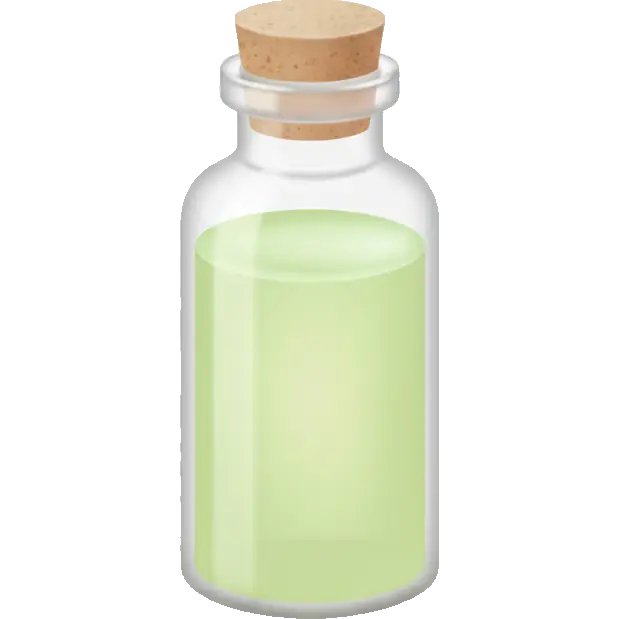
moringa oil
Oils & Fats
Is moringa oil high in polyols?
Is moringa oil high or low in polyols? See its exact rating, how much counts as a portion, and its FODMAP, salicylate, oxalate and diet compatibility in one place.
Related checkers
Compare moringa oil across criteria
Sensitivity notes
Why polyols food checker matters
Polyols (sugar alcohols) are found naturally in some fruits and vegetables, and are used as artificial sweeteners. They're poorly absorbed and can cause digestive symptoms, especially in IBS sufferers.
- Avoid sugar-free products with sorbitol, mannitol, xylitol, maltitol
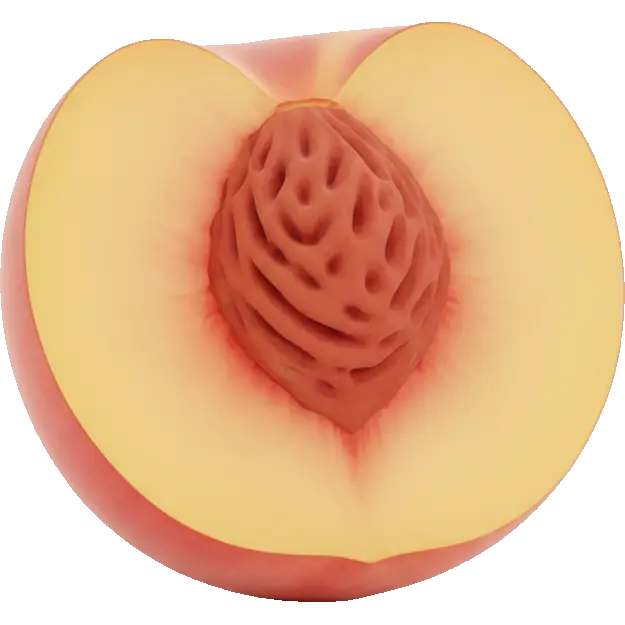
- Stone fruits are naturally high in polyols
- Cooking doesn't reduce polyol content
- Avocado portion size matters - small amounts may be fine
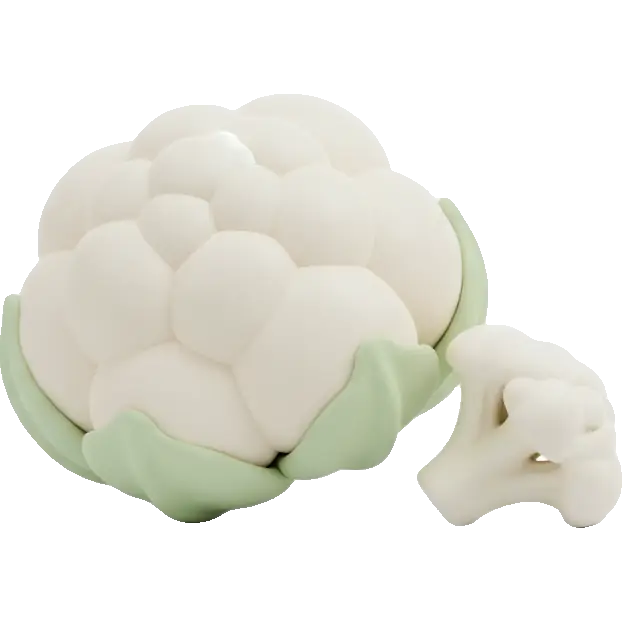
- Cauliflower and mushrooms are common triggers
Sensitivities
What moringa oil contains
FODMAPs
Histamine & Amines
Plant compounds
Irritants
Additives
Allergens
Diet fit
Where moringa oil fits
Therapeutic diets
Lifestyle diets
Religious diets
What to know about moringa oil
Moringa oil, the ben or behen oil pressed from Moringa oleifera seeds, grades A on every trigger column on this page: histamine, histamine liberation, tyramine, salicylates, oxalate, nickel, sulfites, nitrites, free glutamate, lectins, gluten, lactose, dairy protein and all five FODMAP groups. It also grades A for anti-inflammatory fit and A for both the DASH and Mediterranean patterns, which most pressed oils do not manage. If you have been eliminating your way through oils, this is a genuinely quiet one. The catch is not chemical, it is practical: nearly everything sold as moringa oil is cosmetic grade rather than food grade, and nearly everything written about moringa safety is about the leaf powder, the capsules or the root, none of which is this oil.
Watch for
- Cosmetic grade is the default on the shelf.Most moringa oil is sold for skin and hair, and those bottles are often diluted with a carrier, fragranced or blended. Buy it as food only if the label says food grade and moringa seed oil is the sole ingredient
- The moringa warnings you have read are about the plant, not the fat.Cautions on moringa in pregnancy, on moringa interacting with thyroid or diabetes medication, and on the root bark, all come from leaf powder, extracts and root preparations. A pressed seed oil carries almost none of the water soluble compounds those cautions concern. It also carries none of the vitamins and minerals the leaf is sold for, so an oil is not a moringa supplement
- Cold pressed moringa seed oil can keep a trace of the mustard-like isothiocyanates that give the raw seed its peppery bite, which is why some bottles taste sharper than the neutral oil people expect.That is a flavour note rather than a graded trigger, and refined moringa oil does not have it
- Around 70 percent oleic acid plus a slice of behenic acid makes it unusually resistant to going rancid.It was historically used to lubricate watch movements and to hold scent in perfumery for exactly that reason. Practical if rancid oils reliably set you off, because a bottle outlasts a walnut or flaxseed oil several times over
- Graded E for the autoimmune protocol only because that elimination phase permits coconut, olive, avocado and palm oil plus rendered animal fats and nothing else.That is a list membership rule, not a trigger the oil carries

Explore related in Oils & Fats
Compare similar foods to build a personalized list of swaps that work for your system.
Polyols Guide
Everything you need to know about polyols sensitivity and smart food choices.
Polyols (sugar alcohols) are found naturally in some fruits and vegetables, and are used as artificial sweeteners. They're poorly absorbed and can cause digestive symptoms, especially in IBS sufferers.
Sensitivity varies widely. What triggers one person may be fine for another. Track your reactions to find your personal threshold.
These foods are generally well-tolerated for Polyols sensitivity:
View all safe options







These foods have moderate levels and may be tolerated in small amounts:




These foods are high in polyols and may trigger symptoms:
View full list




If you're sensitive to Polyols, consider these strategies:
- 1Avoid sugar-free products with sorbitol, mannitol, xylitol, maltitol
- 2Stone fruits are naturally high in polyols
- 3Cooking doesn't reduce polyol content
- 4Avocado portion size matters - small amounts may be fine
- 5Cauliflower and mushrooms are common triggers
Pro tip: Keep a food diary to track your reactions. The Triggerbites app makes this easy with automatic pattern detection.
Want personalized tracking?
Download Triggerbites to log meals, track symptoms, and discover your unique triggers.
Get the AppFAQ
Is moringa oil high in Polyols?
Polyols: low signal for most people.
Can I still eat moringa oil if I'm sensitive to Polyols?
Usually fine in normal portions.
What else should I check?
Check AIP, Gastroparesis Diet, and Reflux Diet next for a fuller picture.