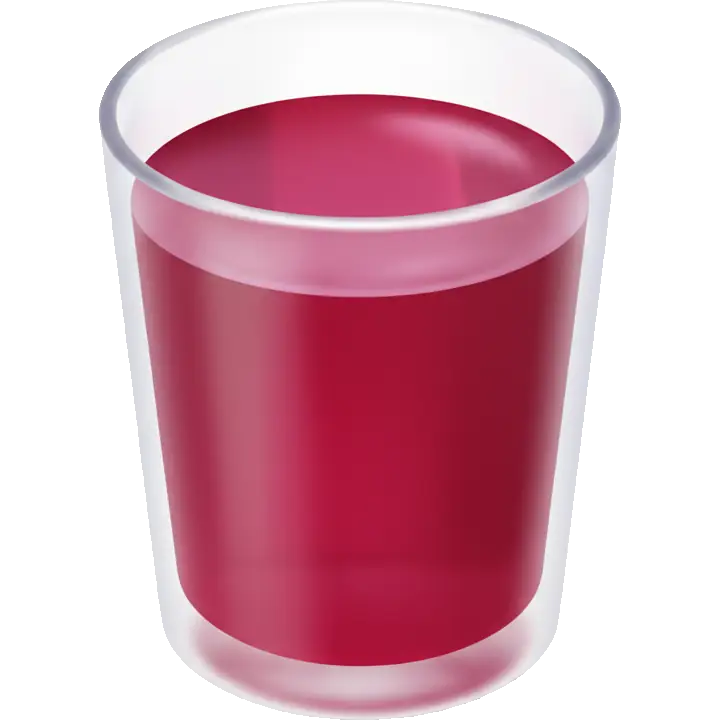
hibiscus
Herbs & Spices
Is hibiscus high in polyols?
Is hibiscus high or low in polyols? See its exact rating, how much counts as a portion, and its FODMAP, salicylate, oxalate and diet compatibility in one place.
Related checkers
Compare hibiscus across criteria
Sensitivity notes
Why polyols food checker matters
Polyols (sugar alcohols) are found naturally in some fruits and vegetables, and are used as artificial sweeteners. They're poorly absorbed and can cause digestive symptoms, especially in IBS sufferers.
- Avoid sugar-free products with sorbitol, mannitol, xylitol, maltitol
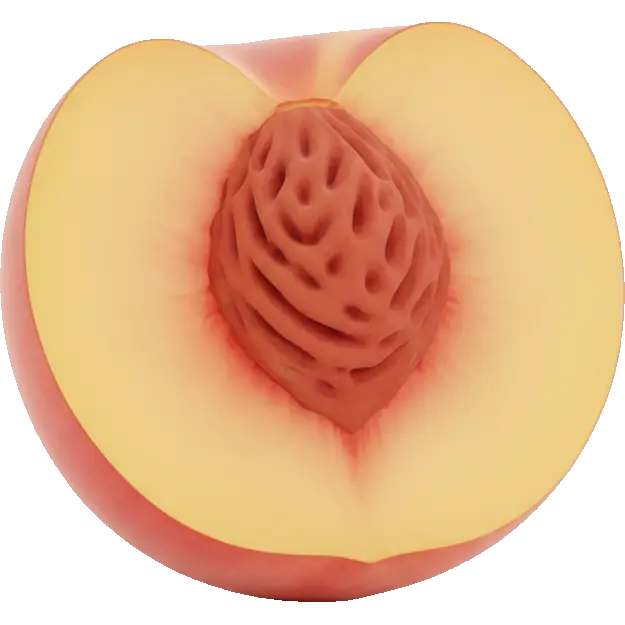
- Stone fruits are naturally high in polyols
- Cooking doesn't reduce polyol content
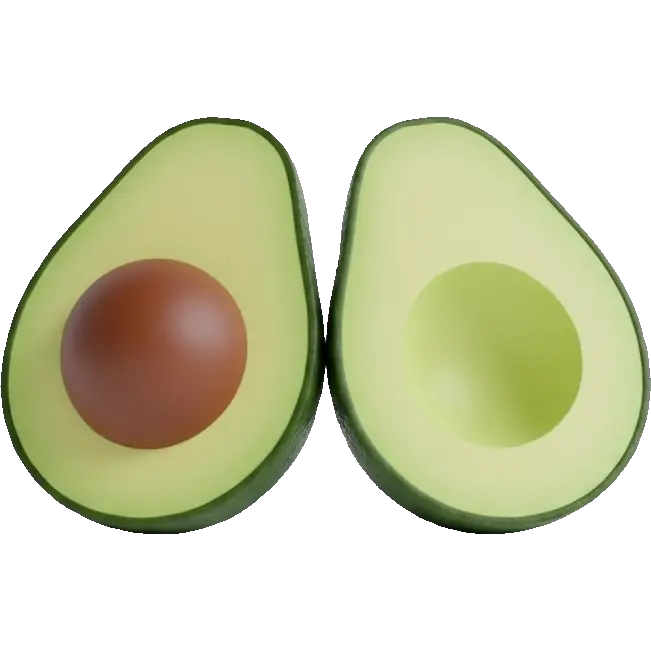
- Avocado portion size matters - small amounts may be fine
- Cauliflower and mushrooms are common triggers
Sensitivities
What hibiscus contains
FODMAPs
Histamine & Amines
Plant compounds
Irritants
Additives
Allergens
Diet fit
Where hibiscus fits
Therapeutic diets
Lifestyle diets
Religious diets
What to know about hibiscus
Hibiscus as a food is the dried red calyx of Hibiscus sabdariffa, the fleshy cup that stays on the plant after the flower drops, not the ornamental petals people picture. Steeped, that calyx becomes agua de jamaica in Mexico, karkade in Egypt and Sudan, and Christmas sorrel across the Caribbean. It is naturally caffeine free, contains no gluten, lactose, dairy protein, tyramine, nickel, sulfites, nitrites or free glutamates, and grades clean on histamine content itself. Two things define it. It is moderate on salicylates, which is what you would expect from a concentrated dried botanical. And it is chemically, not just perceptually, sour: the calyx is loaded with organic acids, dominated by hibiscus acid (hydroxycitric acid) alongside citric and malic, which drives a strong brew down to roughly pH 2.5 to 3.5. The deep red comes from anthocyanins, mainly delphinidin-3-sambubioside.
Watch for
- Moderate on salicylates.Dried calyx is a concentrated botanical, so a long steep or a reduced jamaica syrup delivers a lot more per glass than the small dry weight suggests
- Mild histamine liberator.The calyx is not high in histamine itself, but it can nudge flushing or itching in someone already reactive, which is worth knowing before you write it off as a mystery trigger
- Borderline oxalate.Nowhere near spinach territory, but drinking hibiscus by the jug all day is a genuinely different exposure from a cup with dinner
- The blood pressure effect is real and dose dependent.Randomised trials of hibiscus calyx infusions show meaningful reductions in systolic pressure, which is a benefit for most people and a genuine interaction to flag if you are already on an antihypertensive
- That pH 2.5 to 3.5 sits below the point at which tooth enamel starts to demineralise, so sipping strong hibiscus over hours is harder on teeth than drinking it in one go with food



Explore related in Herbs & Spices
Compare similar foods to build a personalized list of swaps that work for your system.

Polyols Guide
Everything you need to know about polyols sensitivity and smart food choices.
Polyols (sugar alcohols) are found naturally in some fruits and vegetables, and are used as artificial sweeteners. They're poorly absorbed and can cause digestive symptoms, especially in IBS sufferers.
Sensitivity varies widely. What triggers one person may be fine for another. Track your reactions to find your personal threshold.
These foods are generally well-tolerated for Polyols sensitivity:
View all safe options







These foods have moderate levels and may be tolerated in small amounts:



These foods are high in polyols and may trigger symptoms:
View full list
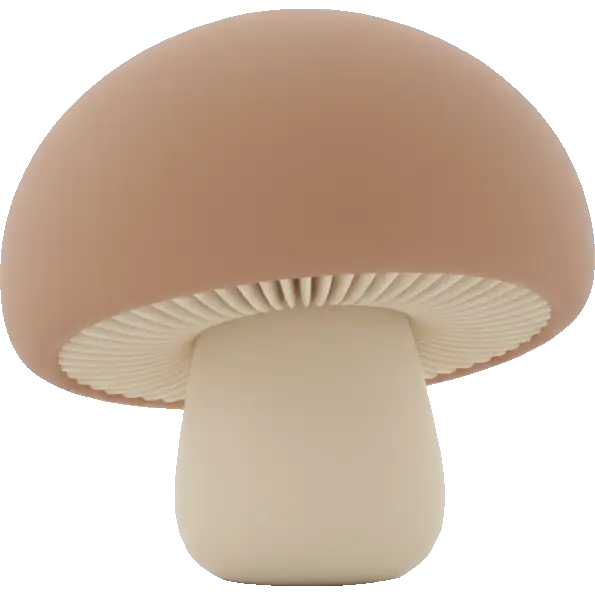
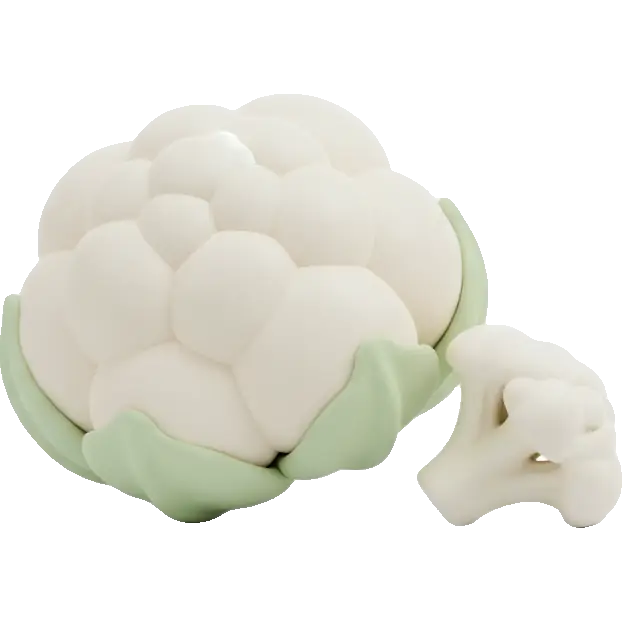
If you're sensitive to Polyols, consider these strategies:
- 1Avoid sugar-free products with sorbitol, mannitol, xylitol, maltitol
- 2Stone fruits are naturally high in polyols
- 3Cooking doesn't reduce polyol content
- 4Avocado portion size matters - small amounts may be fine
- 5Cauliflower and mushrooms are common triggers
Pro tip: Keep a food diary to track your reactions. The Triggerbites app makes this easy with automatic pattern detection.
Want personalized tracking?
Download Triggerbites to log meals, track symptoms, and discover your unique triggers.
Get the AppFAQ
Is hibiscus high in Polyols?
Polyols: higher signal - consider smaller servings or swaps.
Can I still eat hibiscus if I'm sensitive to Polyols?
Best to avoid or test carefully with a small amount.
What else should I check?
Check Salicylates, Low Salicylate, and Reflux Diet next for a fuller picture.