
herring
Seafood
Is herring high in polyols?
Is herring high or low in polyols? See its exact rating, how much counts as a portion, and its FODMAP, salicylate, oxalate and diet compatibility in one place.
Related checkers
Compare herring across criteria
Sensitivity notes
Why polyols food checker matters
Polyols (sugar alcohols) are found naturally in some fruits and vegetables, and are used as artificial sweeteners. They're poorly absorbed and can cause digestive symptoms, especially in IBS sufferers.
- Avoid sugar-free products with sorbitol, mannitol, xylitol, maltitol
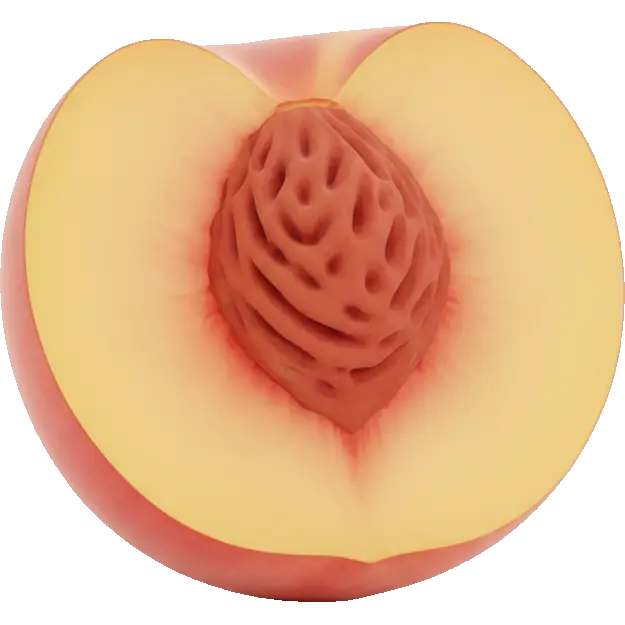
- Stone fruits are naturally high in polyols
- Cooking doesn't reduce polyol content
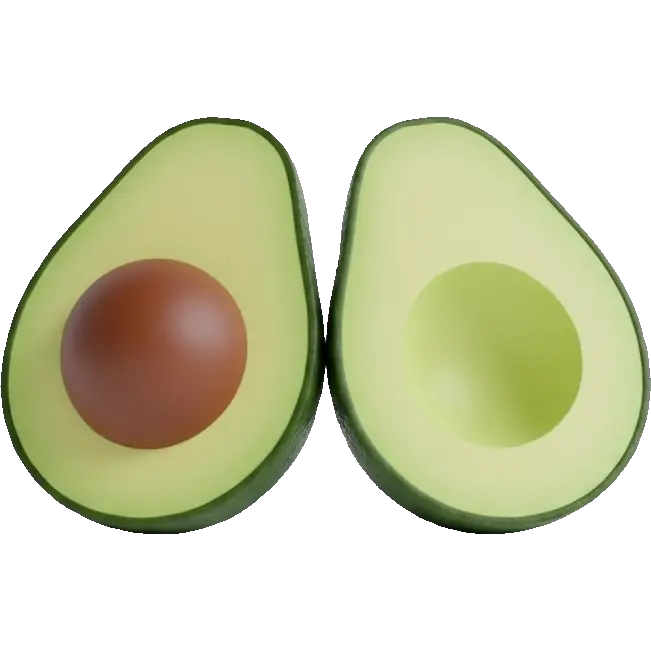
- Avocado portion size matters - small amounts may be fine
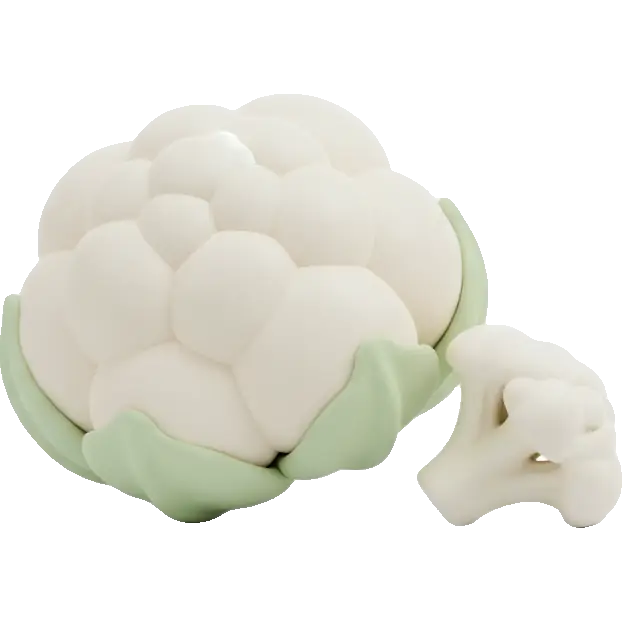
- Cauliflower and mushrooms are common triggers
Sensitivities
What herring contains
FODMAPs
Histamine & Amines
Plant compounds
Irritants
Additives
Allergens
Diet fit
Where herring fits
Therapeutic diets
Lifestyle diets
Religious diets
What to know about herring
The grades on this page (histamine C, histamine liberation B, tyramine B, and A on gluten, FODMAPs, lactose, salicylates, oxalates, nickel and glutamates) describe a fresh herring, straight off the boat and cooked that day. That is almost never how herring is eaten. In Northern Europe, the Netherlands, Scandinavia and the US it arrives salted, smoked into kippers and bloaters, pickled as rollmops or matjes, or soused in vinegar, and every one of those is a slow, warm, bacterial or enzymatic process. Curing is precisely the condition under which histamine and tyramine accumulate in fish. Herring also belongs to the Clupeidae family, which food safety agencies group with mackerel, tuna and sardines as histidine-rich and prone to histamine formation, so it has more raw material to work with than a lean white fish. Preserved herring and fresh herring are, for trigger purposes, two different foods.
Watch for
- Pickled, salted and smoked herring are in a different league from the fresh fish.Salting and ripening give bacteria and the fish own enzymes weeks to convert histidine into histamine and tyrosine into tyramine, and pickled herring appears by name on standard tyramine restriction lists for people taking MAOI antidepressants. Fresh herring does not
- Matjes and soused herring are ripened deliberately.The soft texture and the flavour are the result of controlled enzymatic breakdown, which means amines are the intended product of the process rather than a sign that something went wrong. There is no version of matjes that is low in amines
- Herring is a Clupeidae species with dark, histidine-rich muscle, so it generates histamine faster than a lean whitefish once temperature control slips.Even fresh herring should be treated as a same-day fish, and reheated leftovers are a common trigger point
- The jar adds its own load.Pickled herring is packed with vinegar and sugar and usually onion (fructans), wine-based cures can carry sulfites, and Scandinavian herring in mustard, dill or cream sauce brings dairy and mustard on top
- Kippers are herring split and cold smoked, and are often eaten at breakfast with butter.Cold smoking is a low-temperature cure rather than proper cooking, so it does nothing to reduce the amines built up during the salting stage that precedes it






Explore related in Seafood
Compare similar foods to build a personalized list of swaps that work for your system.


Polyols Guide
Everything you need to know about polyols sensitivity and smart food choices.
Polyols (sugar alcohols) are found naturally in some fruits and vegetables, and are used as artificial sweeteners. They're poorly absorbed and can cause digestive symptoms, especially in IBS sufferers.
Sensitivity varies widely. What triggers one person may be fine for another. Track your reactions to find your personal threshold.
These foods are generally well-tolerated for Polyols sensitivity:
View all safe options







These foods have moderate levels and may be tolerated in small amounts:






These foods are high in polyols and may trigger symptoms:
View full list




If you're sensitive to Polyols, consider these strategies:
- 1Avoid sugar-free products with sorbitol, mannitol, xylitol, maltitol
- 2Stone fruits are naturally high in polyols
- 3Cooking doesn't reduce polyol content
- 4Avocado portion size matters - small amounts may be fine
- 5Cauliflower and mushrooms are common triggers
Pro tip: Keep a food diary to track your reactions. The Triggerbites app makes this easy with automatic pattern detection.
Want personalized tracking?
Download Triggerbites to log meals, track symptoms, and discover your unique triggers.
Get the AppFAQ
Is herring high in Polyols?
Polyols: low signal for most people.
Can I still eat herring if I'm sensitive to Polyols?
Usually fine in normal portions.
What else should I check?
Check Fish, Vegan, and Vegetarian next for a fuller picture.