 Back to Polyols food checker
chestnut flour
Nuts & Seeds
Is chestnut flour high in polyols?
Is chestnut flour high or low in polyols? See its exact rating, how much counts as a portion, and its FODMAP, salicylate, oxalate and diet compatibility in one place.

Related checkers
Compare chestnut flour across criteria

Sensitivity notes
Why polyols food checker matters
Polyols (sugar alcohols) are found naturally in some fruits and vegetables, and are used as artificial sweeteners. They're poorly absorbed and can cause digestive symptoms, especially in IBS sufferers.
- Avoid sugar-free products with sorbitol, mannitol, xylitol, maltitol
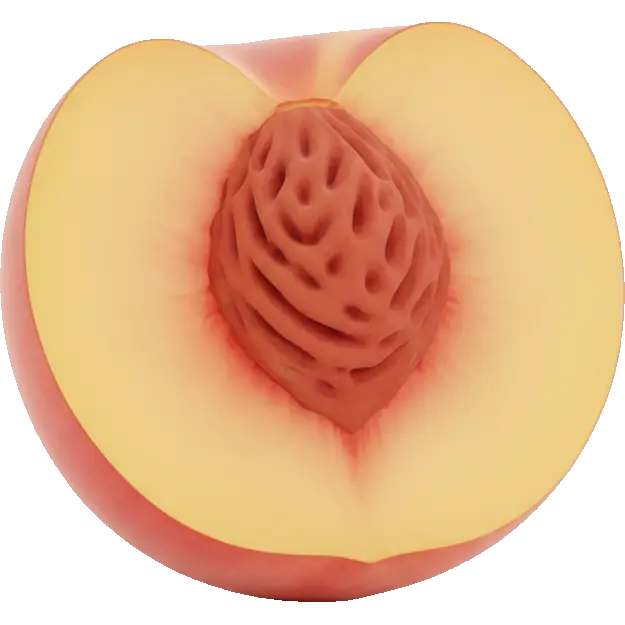
- Stone fruits are naturally high in polyols
- Cooking doesn't reduce polyol content
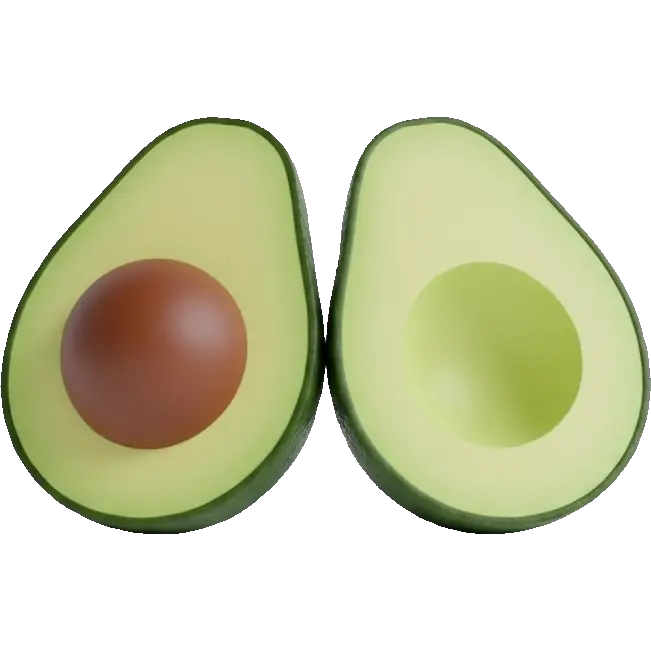
- Avocado portion size matters - small amounts may be fine
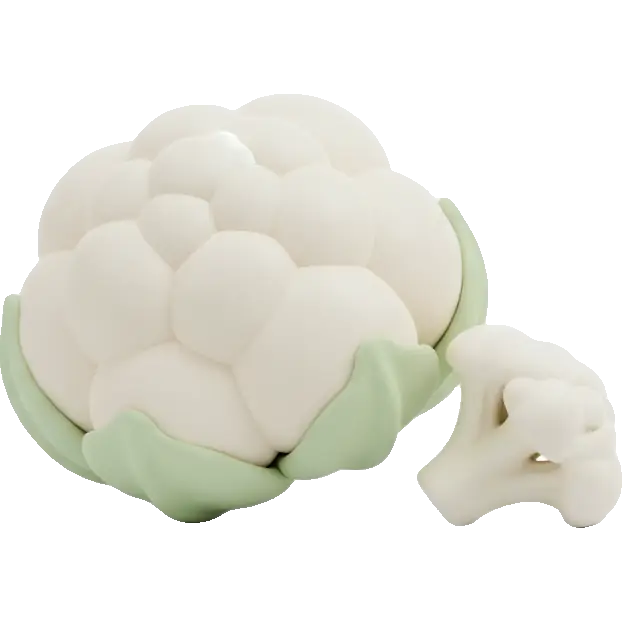
- Cauliflower and mushrooms are common triggers

Sensitivities
What chestnut flour contains
FODMAPs







Histamine & Amines



Plant compounds




Irritants




Additives



Allergens
















Diet fit
Where chestnut flour fits
Therapeutic diets










Lifestyle diets









Religious diets






What to know about chestnut flour
Chestnut flour is naturally gluten free, and unlike almond or hazelnut flour it is a starch flour rather than a fat flour, which is why its grades look like a grain and not like a nut: A for gluten, histamine, histamine liberation, salicylates, sulfites and free glutamate, with moderate B marks for total FODMAPs, fructans, oxalate, nickel and SIBO fermentability. The oxalate line is the useful comparison, since almonds grade E there and chestnut flour grades B. The allergy question is the one that trips people up. Chestnut is a Fagaceae seed, related to oak and beech rather than to walnut or cashew, but it is a known member of the latex-fruit cluster alongside banana, avocado and kiwi.
Watch for
- Latex allergy is the flag to check, not tree nut allergy.Chestnut carries Cas s 5, a class I chitinase with a hevein-like domain that cross-reacts with the hevein in natural rubber latex, which is why chestnut appears in latex-fruit syndrome next to banana, avocado and kiwi. If latex gloves or balloons cause you trouble, chestnut is one to introduce cautiously
- Moderate rather than high on fructans and total FODMAPs, both graded B.A few tablespoons thickening a soup is a different proposition from a slice of castagnaccio made entirely of it, so this is a portion decision rather than a yes or no
- Graded B for oxalate and B for nickel.Neither is dramatic, but if you moved to gluten free baking specifically to escape almond flour on a stone or nickel protocol, chestnut is a step down (almonds grade E for oxalate and D for nickel) rather than a clean sheet
- Gluten free by nature, not always by facility.Chestnut flour is a niche mill product often produced alongside wheat, so for coeliac disease the certification on the bag matters more than the botany
- It is sweet and hygroscopic, with far more sugar and less fat than a nut flour, so it clumps, absorbs moisture from the air and sours or goes musty faster than most flours.A bag that smells sharp or fermented rather than sweet and chestnutty has turned

Explore related in Nuts & Seeds
Compare similar foods to build a personalized list of swaps that work for your system.
Polyols Guide
Everything you need to know about polyols sensitivity and smart food choices.
Polyols (sugar alcohols) are found naturally in some fruits and vegetables, and are used as artificial sweeteners. They're poorly absorbed and can cause digestive symptoms, especially in IBS sufferers.
Sensitivity varies widely. What triggers one person may be fine for another. Track your reactions to find your personal threshold.

These foods are generally well-tolerated for Polyols sensitivity:
View all safe options








These foods have moderate levels and may be tolerated in small amounts:




These foods are high in polyols and may trigger symptoms:
View full list

If you're sensitive to Polyols, consider these strategies:
- 1Avoid sugar-free products with sorbitol, mannitol, xylitol, maltitol
- 2Stone fruits are naturally high in polyols
- 3Cooking doesn't reduce polyol content
- 4Avocado portion size matters - small amounts may be fine
- 5Cauliflower and mushrooms are common triggers
Pro tip: Keep a food diary to track your reactions. The Triggerbites app makes this easy with automatic pattern detection.
Want personalized tracking?
Download Triggerbites to log meals, track symptoms, and discover your unique triggers.
Get the AppFAQ
Is chestnut flour high in Polyols?
Polyols: low signal for most people.
Can I still eat chestnut flour if I'm sensitive to Polyols?
Usually fine in normal portions.
What else should I check?
Check AIP, Specific Carbohydrate, and Keto next for a fuller picture.