 Back to Polyols food checker
annatto
Herbs & Spices
Is annatto high in polyols?
Is annatto high or low in polyols? See its exact rating, how much counts as a portion, and its FODMAP, salicylate, oxalate and diet compatibility in one place.

Related checkers
Compare annatto across criteria

Sensitivity notes
Why polyols food checker matters
Polyols (sugar alcohols) are found naturally in some fruits and vegetables, and are used as artificial sweeteners. They're poorly absorbed and can cause digestive symptoms, especially in IBS sufferers.
- Avoid sugar-free products with sorbitol, mannitol, xylitol, maltitol
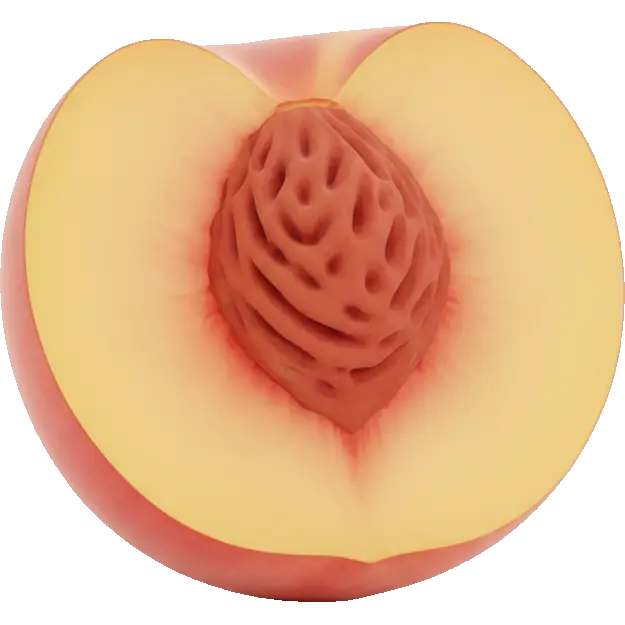
- Stone fruits are naturally high in polyols
- Cooking doesn't reduce polyol content
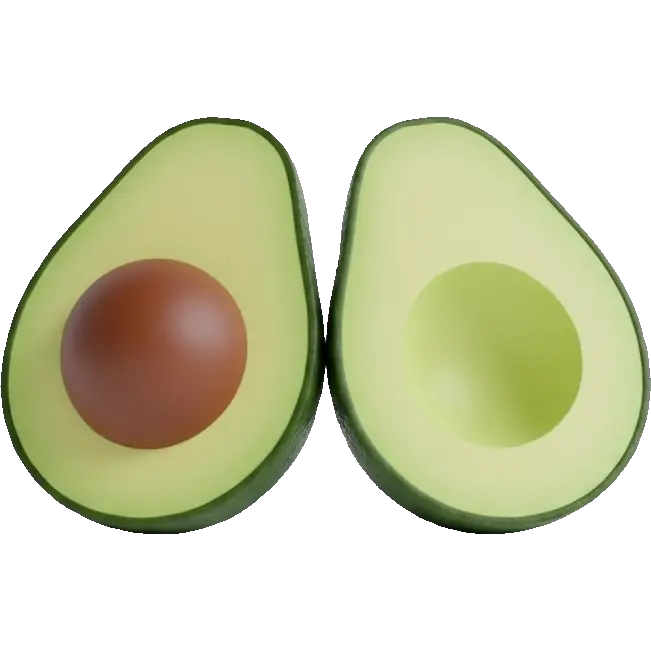
- Avocado portion size matters - small amounts may be fine
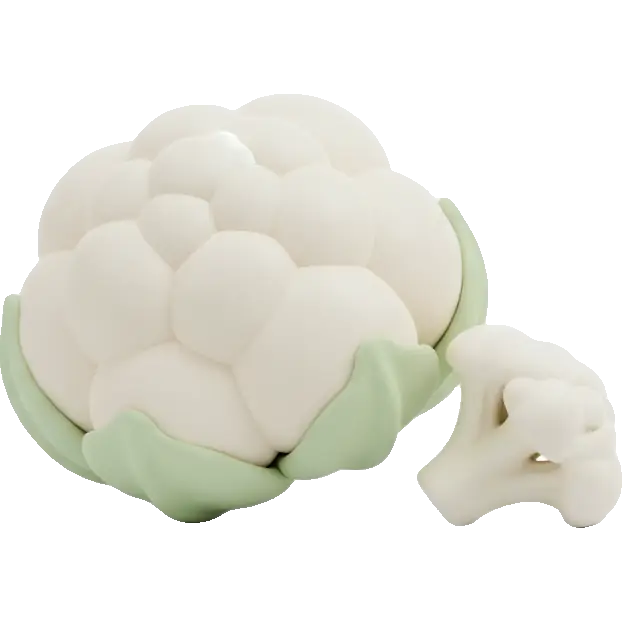
- Cauliflower and mushrooms are common triggers

Sensitivities
What annatto contains
FODMAPs







Histamine & Amines



Plant compounds




Irritants




Additives



Allergens
















Diet fit
Where annatto fits
Therapeutic diets










Lifestyle diets









Religious diets






What to know about annatto
Annatto is the orange colouring extracted from achiote seeds, listed as E160b and used to turn cheddar orange and butter, margarine, custard, cereal and snack seasonings yellow. It is graded high on salicylates and is one of the additives excluded on RPAH and failsafe elimination diets, and unlike most natural colours it has a real intolerance literature behind it. In the classic challenge study, 26 percent of chronic urticaria patients reacted to a dose equivalent to the annatto in 25 g of butter, a higher rate than tartrazine or sunset yellow produced in comparable challenges. That is why annatto keeps turning up in journals belonging to people who thought they had already cut out food colourings.
Watch for
- Graded high on the salicylate axis and excluded on RPAH and failsafe elimination diets.Note that 160a, the beta-carotene colour, is generally allowed on those diets while 160b, annatto, is not, so the number on the label matters.
- The natural colour trap.Products marketed as containing no artificial colours, flavours or preservatives frequently use annatto to get their colour, so an artificial-dye-free label is not an annatto-free label.
- Reactions in the challenge literature came on around four hours after the dose, which is late enough that most people blame the next meal instead.If you are testing annatto, give the day a wide window in your log.
- Where it hides: orange cheddar and Red Leicester, processed cheese slices, butter and margarine, custard and ice cream, breakfast cereals, crackers and crisp seasonings, smoked fish, and some rice and stew dishes coloured with achiote.
- Rare IgE-mediated reactions to annatto, including anaphylaxis, have been described in case reports, which is a different mechanism from the delayed urticaria seen in the challenge studies.
- Nickel and the anti-inflammatory rating are both graded borderline, minor next to the salicylate and additive story.
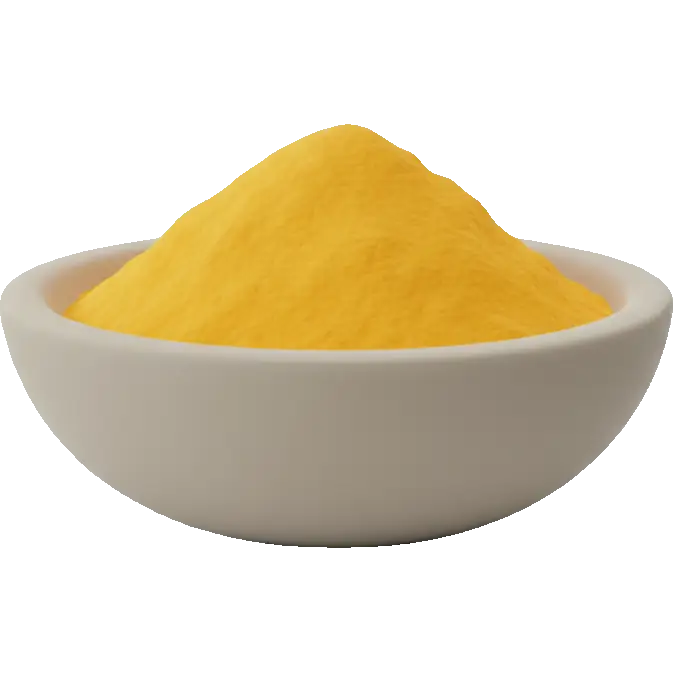
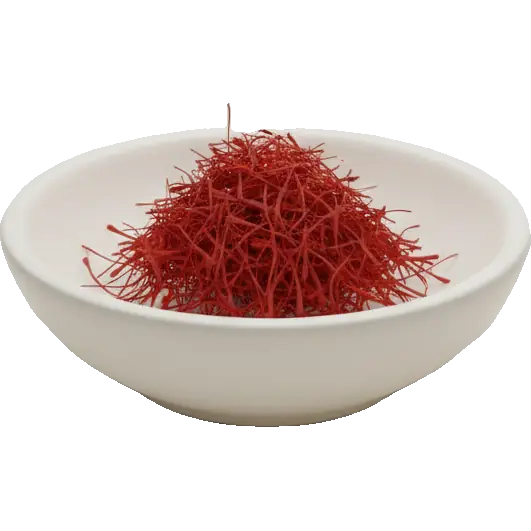

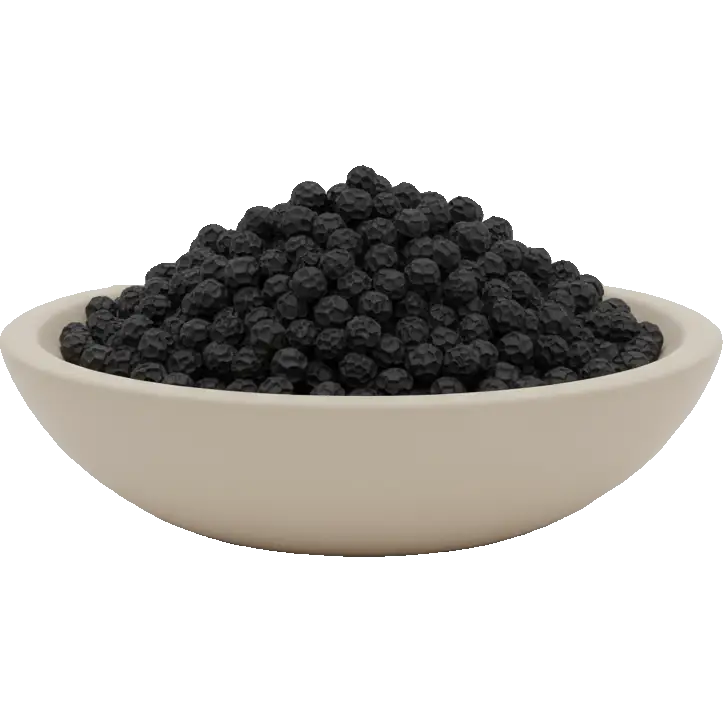
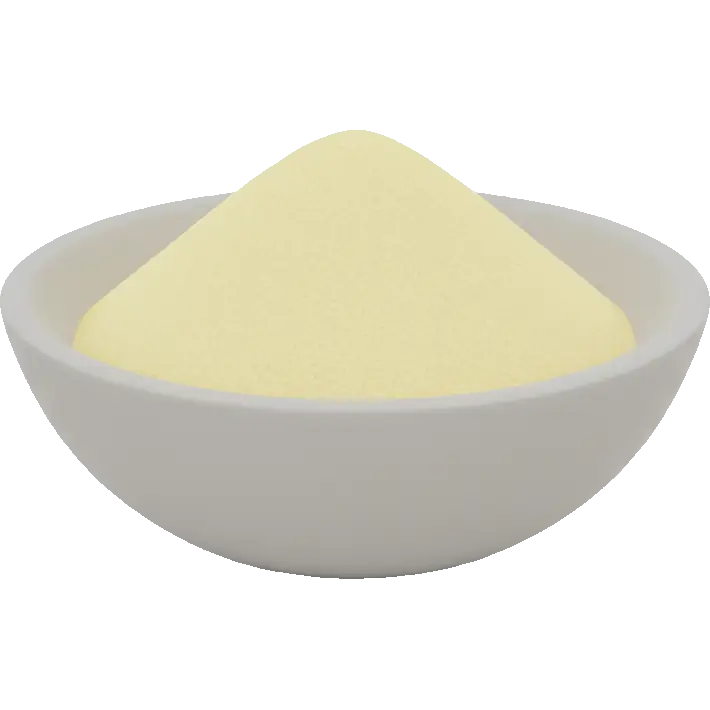

Explore related in Herbs & Spices
Compare similar foods to build a personalized list of swaps that work for your system.


Polyols Guide
Everything you need to know about polyols sensitivity and smart food choices.
Polyols (sugar alcohols) are found naturally in some fruits and vegetables, and are used as artificial sweeteners. They're poorly absorbed and can cause digestive symptoms, especially in IBS sufferers.
Sensitivity varies widely. What triggers one person may be fine for another. Track your reactions to find your personal threshold.

These foods are generally well-tolerated for Polyols sensitivity:
View all safe options








These foods have moderate levels and may be tolerated in small amounts:



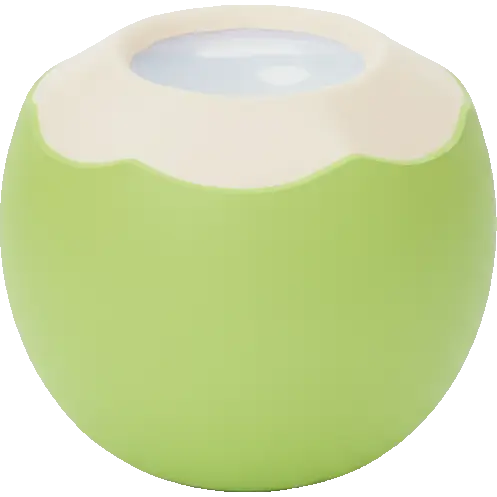

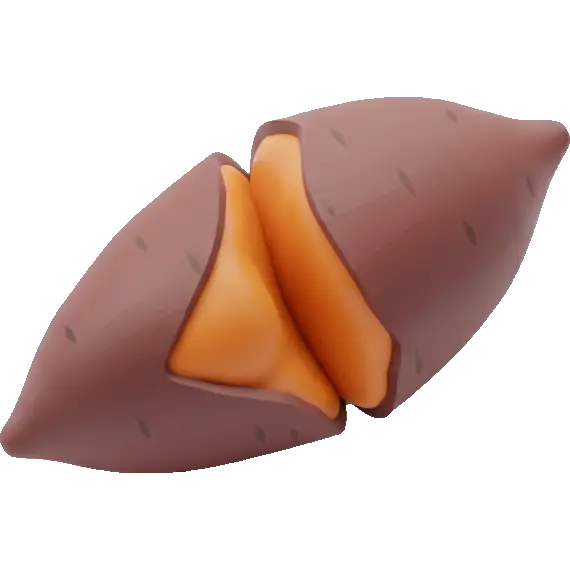
These foods are high in polyols and may trigger symptoms:
View full list
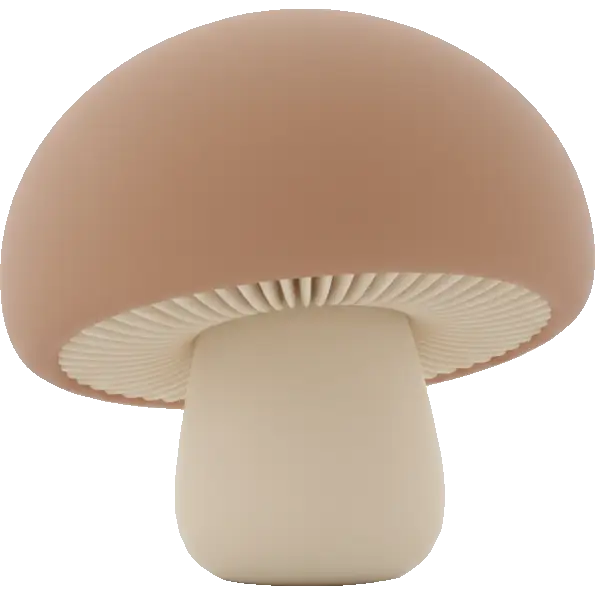
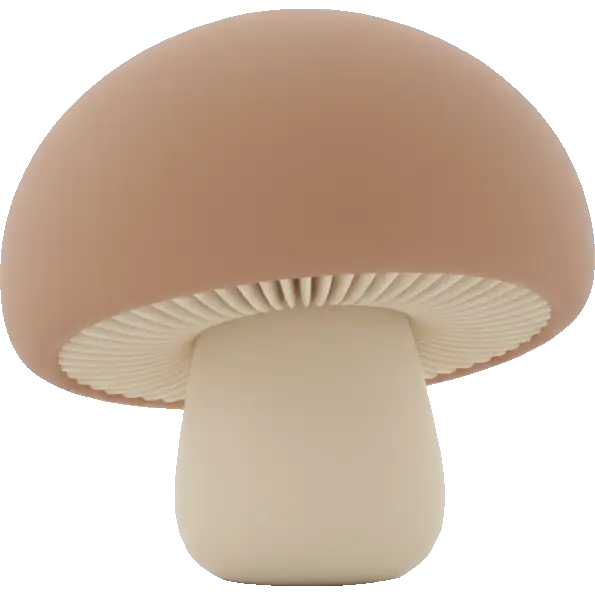

If you're sensitive to Polyols, consider these strategies:
- 1Avoid sugar-free products with sorbitol, mannitol, xylitol, maltitol
- 2Stone fruits are naturally high in polyols
- 3Cooking doesn't reduce polyol content
- 4Avocado portion size matters - small amounts may be fine
- 5Cauliflower and mushrooms are common triggers
Pro tip: Keep a food diary to track your reactions. The Triggerbites app makes this easy with automatic pattern detection.
Want personalized tracking?
Download Triggerbites to log meals, track symptoms, and discover your unique triggers.
Get the AppFAQ
Is annatto high in Polyols?
Polyols: low signal for most people.
Can I still eat annatto if I'm sensitive to Polyols?
Usually fine in normal portions.
What else should I check?
Check AIP, Salicylates, and Low Salicylate next for a fuller picture.