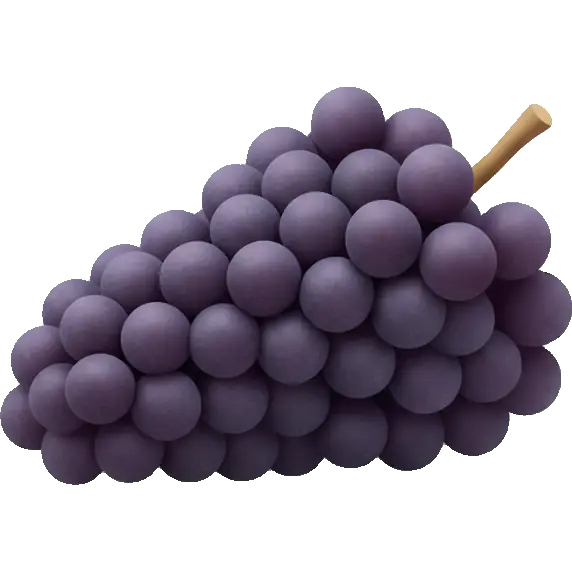
zinfandel grape
Fruit
Is zinfandel grape high in oxalates?
Is zinfandel grape high or low in oxalates? See its exact rating, how much counts as a portion, and its FODMAP, salicylate, oxalate and diet compatibility in one place.
Related checkers
Compare zinfandel grape across criteria
Sensitivity notes
Why oxalates food checker matters
Oxalates are compounds found in many plant foods that can bind with calcium to form crystals. High oxalate intake may contribute to kidney stones in susceptible individuals and can cause other symptoms in those with oxalate sensitivity.
- Stay well-hydrated to help prevent oxalate crystal formation
- Pair high-oxalate foods with calcium-rich foods to bind oxalates
- Cooking and boiling can reduce oxalate content in some foods
- Spread oxalate intake throughout the day rather than one large dose
- Consider probiotics - some gut bacteria break down oxalates
Sensitivities
What zinfandel grape contains
FODMAPs
Histamine & Amines
Plant compounds
Irritants
Additives
Allergens
Diet fit
Where zinfandel grape fits
Therapeutic diets
Lifestyle diets
Religious diets
What to know about zinfandel grape
This entry is the berry, not the bottle. Zinfandel is a black, thick skinned wine grape, genetically the same variety as Italian Primitivo and Croatian Tribidrag, and it is defined by sugar: it ripens to a higher sugar concentration than any grape you would find in a punnet, which is why the wines made from it routinely land above fifteen percent alcohol. On our grades that shows up exactly where you would expect. Excess fructose is D, the one high mark, and total FODMAPs are C. Everything else on the fruit is quiet: histamine B, tyramine B, salicylate B, oxalate B, nickel B, glutamates B, gluten A, sulfite A, nightshade A, lactose A. That sulfite A is the line worth underlining, because it is the single biggest difference between the grape and the two things people confuse it with. Fresh Zinfandel berries are unsulfited fruit. Zinfandel wine and dried grapes are not. The other quirk of this variety is that it ripens unevenly inside a single bunch, so a cluster can hold green berries and half raisined ones at the same time, and the shrivelled ones are concentrated sugar. If you are tracking fructose, a handful of wine grapes is not interchangeable with a handful of table grapes.
Watch for
- Excess fructose graded D.Wine grapes are picked at a far higher sugar concentration than table grapes, and in very ripe or shrivelled berries the sugar balance tips towards free fructose, which is precisely what this grade tracks and what fructose malabsorption reacts to
- Total FODMAPs graded C, so this is a portion problem rather than a forbidden fruit.Grapes are eaten absent mindedly by the handful while standing at the counter, which is how a moderate grade turns into a symptomatic dose
- Uneven ripening is characteristic of the variety.A single bunch can carry raisined berries next to under ripe ones, and a raisined berry is the same sugar in a quarter of the volume
- The grape and the wine are separate trigger profiles.Fresh berries are graded A for sulfites, whereas the wine made from them carries added sulfites plus fermentation histamine. Do not read a clean fruit grade as clearance for the bottle
- White Zinfandel is not a white grape.It is a pale rosé pressed from these same black berries and usually finished with residual sugar, so it belongs with the wine entries rather than with this fruit






Explore related in Fruit
Compare similar foods to build a personalized list of swaps that work for your system.


Oxalates Guide
Everything you need to know about oxalates sensitivity and smart food choices.
Oxalates are compounds found in many plant foods that can bind with calcium to form crystals. High oxalate intake may contribute to kidney stones in susceptible individuals and can cause other symptoms in those with oxalate sensitivity.
Sensitivity varies widely. What triggers one person may be fine for another. Track your reactions to find your personal threshold.
These foods are generally well-tolerated for Oxalates sensitivity:
View all safe options







These foods have moderate levels and may be tolerated in small amounts:






These foods are high in oxalates and may trigger symptoms:
View full list






If you're sensitive to Oxalates, consider these strategies:
- 1Stay well-hydrated to help prevent oxalate crystal formation
- 2Pair high-oxalate foods with calcium-rich foods to bind oxalates
- 3Cooking and boiling can reduce oxalate content in some foods
- 4Spread oxalate intake throughout the day rather than one large dose
- 5Consider probiotics - some gut bacteria break down oxalates
Pro tip: Keep a food diary to track your reactions. The Triggerbites app makes this easy with automatic pattern detection.
Want personalized tracking?
Download Triggerbites to log meals, track symptoms, and discover your unique triggers.
Get the AppFAQ
Is zinfandel grape high in Oxalates?
Oxalates: moderate signal - portion size matters.
Can I still eat zinfandel grape if I'm sensitive to Oxalates?
Try smaller portions and space it out.
What else should I check?
Check Fructose, Acidic Foods, and Keto next for a fuller picture.