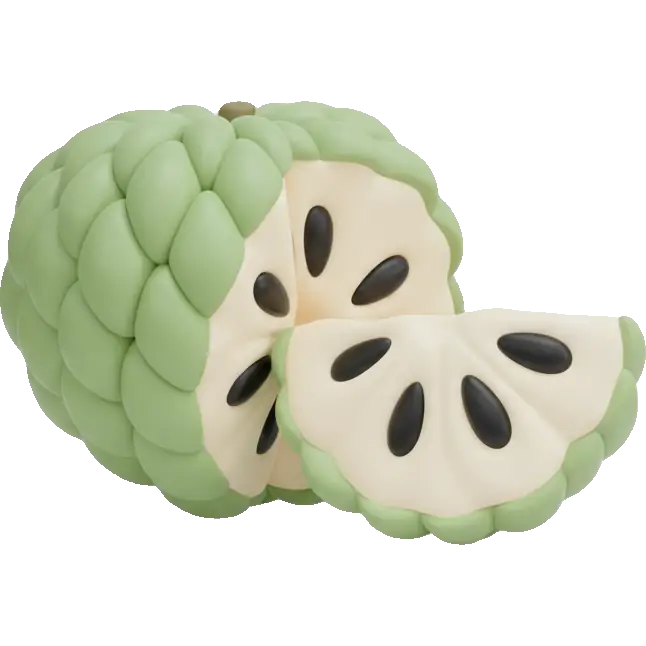
sweetsop
Fruit
Is sweetsop high in oxalates?
Is sweetsop high or low in oxalates? See its exact rating, how much counts as a portion, and its FODMAP, salicylate, oxalate and diet compatibility in one place.
Related checkers
Compare sweetsop across criteria
Sensitivity notes
Why oxalates food checker matters
Oxalates are compounds found in many plant foods that can bind with calcium to form crystals. High oxalate intake may contribute to kidney stones in susceptible individuals and can cause other symptoms in those with oxalate sensitivity.
- Stay well-hydrated to help prevent oxalate crystal formation
- Pair high-oxalate foods with calcium-rich foods to bind oxalates
- Cooking and boiling can reduce oxalate content in some foods
- Spread oxalate intake throughout the day rather than one large dose
- Consider probiotics - some gut bacteria break down oxalates
Sensitivities
What sweetsop contains
FODMAPs
Histamine & Amines
Plant compounds
Irritants
Additives
Allergens
Diet fit
Where sweetsop fits
Therapeutic diets
Lifestyle diets
Religious diets
What to know about sweetsop
Sweetsop is the Caribbean and West African name for Annona squamosa, the same fruit sold as sugar apple across Asia, as sitaphal or sharifa in India, as anon in the Spanish Caribbean and as atis in the Philippines. That tangle of names is the single most useful thing to know about it, because sweetsop is constantly confused with soursop (Annona muricata, the big spiny green fruit) and with cherimoya (Annona cherimola), and the three are graded differently in this app. Sweetsop itself is a moderate to high gut trigger and a quiet one everywhere else: D for total FODMAPs, D for excess fructose, C for polyols and D for low-fermentation SIBO protocols, against A grades for histamine, tyramine, gluten, lactose, dairy protein, glutamates, sulfites, nitrites and nightshades. The part that deserves genuine caution is the seed. Every soft segment of sweetsop is built around one, and Annona seeds carry a heavy load of annonaceous acetogenins including annonacin, the compound behind the neurotoxicity research on this genus. Powdered sweetsop seed has a long folk history as a lice treatment and insecticide, and getting that powder in the eye is a documented cause of severe chemical injury to the cornea. Do not chew, grind or blend them.
Watch for
- Seeds are the real hazard, not the flesh.They are packed with acetogenins, are never eaten, and crushed or powdered seed is a known cause of serious eye injury. Any recipe that blends the fruit whole is wrong
- D for total FODMAPs and D for excess fructose, so a full fruit is a heavy sugar and fructose hit for anyone with IBS or fructose malabsorption
- C for polyols adds a second osmotic mechanism, which is why symptoms can arrive a few hours later rather than immediately
- D for low-fermentation SIBO protocols: skip it entirely during an elimination phase rather than trying to portion it
- If your log or a recipe just says custard apple, resolve which fruit it actually was.Sweetsop, soursop and cherimoya are three different Annona species with different grades here, and mixing them up quietly ruins your trigger data






Explore related in Fruit
Compare similar foods to build a personalized list of swaps that work for your system.


Oxalates Guide
Everything you need to know about oxalates sensitivity and smart food choices.
Oxalates are compounds found in many plant foods that can bind with calcium to form crystals. High oxalate intake may contribute to kidney stones in susceptible individuals and can cause other symptoms in those with oxalate sensitivity.
Sensitivity varies widely. What triggers one person may be fine for another. Track your reactions to find your personal threshold.
These foods are generally well-tolerated for Oxalates sensitivity:
View all safe options







These foods have moderate levels and may be tolerated in small amounts:






These foods are high in oxalates and may trigger symptoms:
View full list






If you're sensitive to Oxalates, consider these strategies:
- 1Stay well-hydrated to help prevent oxalate crystal formation
- 2Pair high-oxalate foods with calcium-rich foods to bind oxalates
- 3Cooking and boiling can reduce oxalate content in some foods
- 4Spread oxalate intake throughout the day rather than one large dose
- 5Consider probiotics - some gut bacteria break down oxalates
Pro tip: Keep a food diary to track your reactions. The Triggerbites app makes this easy with automatic pattern detection.
Want personalized tracking?
Download Triggerbites to log meals, track symptoms, and discover your unique triggers.
Get the AppFAQ
Is sweetsop high in Oxalates?
Oxalates: moderate signal - portion size matters.
Can I still eat sweetsop if I'm sensitive to Oxalates?
Try smaller portions and space it out.
What else should I check?
Check Keto, Low-carb, and FODMAPs next for a fuller picture.