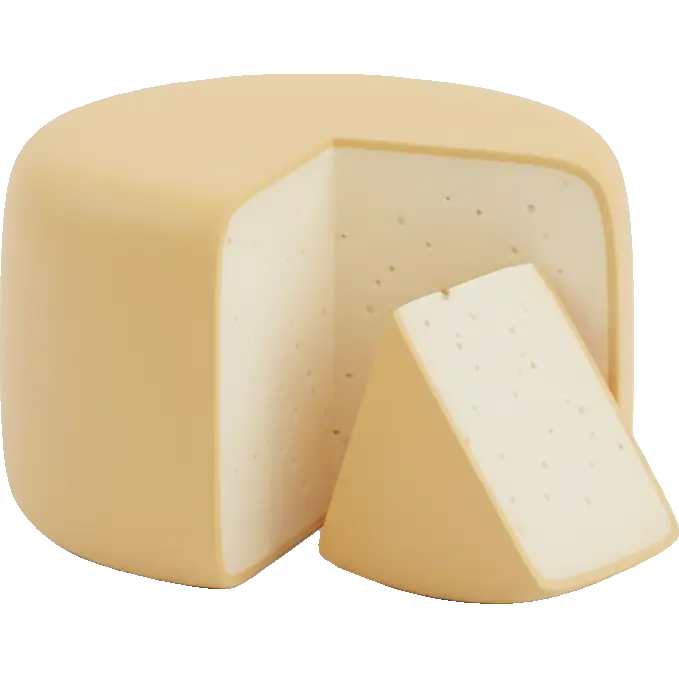
sheep milk and dairy
Dairy & Alternatives
Is sheep milk and dairy high in oxalates?
Is sheep milk and dairy high or low in oxalates? See its exact rating, how much counts as a portion, and its FODMAP, salicylate, oxalate and diet compatibility in one place.
Related checkers
Compare sheep milk and dairy across criteria
Sensitivity notes
Why oxalates food checker matters
Oxalates are compounds found in many plant foods that can bind with calcium to form crystals. High oxalate intake may contribute to kidney stones in susceptible individuals and can cause other symptoms in those with oxalate sensitivity.
- Stay well-hydrated to help prevent oxalate crystal formation
- Pair high-oxalate foods with calcium-rich foods to bind oxalates
- Cooking and boiling can reduce oxalate content in some foods
- Spread oxalate intake throughout the day rather than one large dose
- Consider probiotics - some gut bacteria break down oxalates
Sensitivities
What sheep milk and dairy contains
FODMAPs
Histamine & Amines
Plant compounds
Irritants
Additives
Allergens
Diet fit
Where sheep milk and dairy fits
Therapeutic diets
Lifestyle diets
Religious diets
What to know about sheep milk and dairy
Sheep milk is the quiet foundation of a lot of famous cheese: roquefort, pecorino, manchego and traditional Greek feta are all made from it, which means plenty of people are eating sheep dairy without ever buying a carton of it. It is a much denser milk than cow milk, carrying roughly double the fat and nearly double the protein, which is precisely why it makes such rich cheese and such thick yogurt. On the two questions people actually ask, the answers are unfortunately the same as for goat. Sheep casein is a close structural relative of cow casein and cross reacts with it, so sheep dairy is not a workaround for a cow milk protein allergy and should not be trialled as one without a clinician. It is graded at the maximum for lactose, the same grade cow milk carries, so it does not solve lactose intolerance either. Where sheep milk is genuinely clean is the amine side: fresh sheep milk is graded low for histamine and low for tyramine, along with clean grades on salicylates, sulfites, nickel and free glutamate. That clean amine profile belongs to the milk, not to the cheeses made from it.
Watch for
- Maximum grade for lactose, the same grade cow milk carries.Sheep milk is not a lower lactose milk, and its higher solids content means a glass delivers at least as much milk sugar as cow milk does
- High dairy protein that cross reacts with cow casein.Allergy guidance advises against using sheep or goat dairy as a substitute in cow milk protein allergy, so this is a clinician question rather than a home experiment
- Fresh sheep milk is graded low for histamine and low for tyramine, but the cheeses it becomes are not.Aged sheep cheese is graded high for histamine, and roquefort and pecorino are ripened for months
- Around double the fat of cow milk and nearly double the protein, so portions that feel equivalent are not nutritionally equivalent
- Rated poor for SIBO on the back of the lactose, and it is not eosinophilic oesophagitis compatible

Explore related in Dairy & Alternatives
Compare similar foods to build a personalized list of swaps that work for your system.

Oxalates Guide
Everything you need to know about oxalates sensitivity and smart food choices.
Oxalates are compounds found in many plant foods that can bind with calcium to form crystals. High oxalate intake may contribute to kidney stones in susceptible individuals and can cause other symptoms in those with oxalate sensitivity.
Sensitivity varies widely. What triggers one person may be fine for another. Track your reactions to find your personal threshold.
These foods are generally well-tolerated for Oxalates sensitivity:
View all safe options







These foods have moderate levels and may be tolerated in small amounts:







These foods are high in oxalates and may trigger symptoms:
View full list




If you're sensitive to Oxalates, consider these strategies:
- 1Stay well-hydrated to help prevent oxalate crystal formation
- 2Pair high-oxalate foods with calcium-rich foods to bind oxalates
- 3Cooking and boiling can reduce oxalate content in some foods
- 4Spread oxalate intake throughout the day rather than one large dose
- 5Consider probiotics - some gut bacteria break down oxalates
Pro tip: Keep a food diary to track your reactions. The Triggerbites app makes this easy with automatic pattern detection.
Want personalized tracking?
Download Triggerbites to log meals, track symptoms, and discover your unique triggers.
Get the AppFAQ
Is sheep milk and dairy high in Oxalates?
Oxalates: higher signal - consider smaller servings or swaps.
Can I still eat sheep milk and dairy if I'm sensitive to Oxalates?
Best to avoid or test carefully with a small amount.
What else should I check?
Check Lactose, Low Fermentation, and Vegan next for a fuller picture.