 Back to Oxalates food checker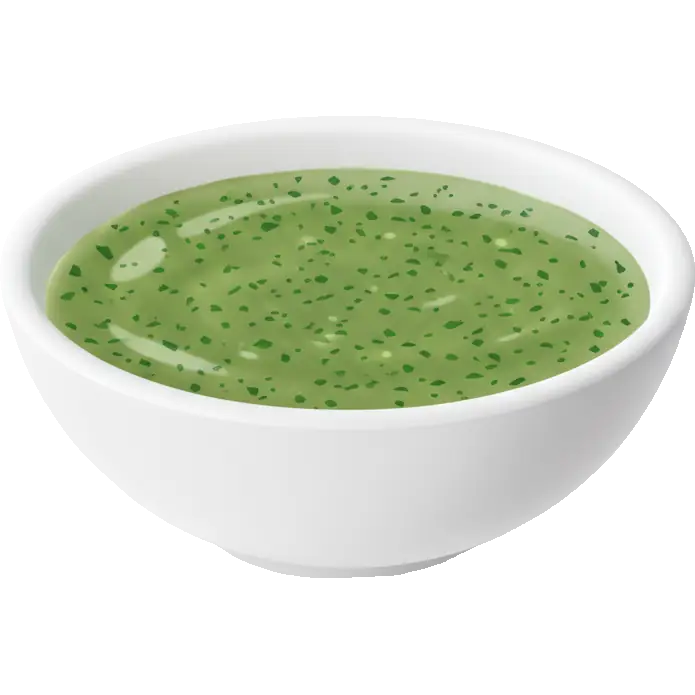
mint sauce
Condiments & Sauces
Is mint sauce high in oxalates?
Is mint sauce high or low in oxalates? See its exact rating, how much counts as a portion, and its FODMAP, salicylate, oxalate and diet compatibility in one place.

Related checkers
Compare mint sauce across criteria

Sensitivity notes
Why oxalates food checker matters
Oxalates are compounds found in many plant foods that can bind with calcium to form crystals. High oxalate intake may contribute to kidney stones in susceptible individuals and can cause other symptoms in those with oxalate sensitivity.
- Stay well-hydrated to help prevent oxalate crystal formation
- Pair high-oxalate foods with calcium-rich foods to bind oxalates
- Cooking and boiling can reduce oxalate content in some foods
- Spread oxalate intake throughout the day rather than one large dose
- Consider probiotics - some gut bacteria break down oxalates

Sensitivities
What mint sauce contains
FODMAPs







Histamine & Amines



Plant compounds




Irritants




Additives



Allergens
















Diet fit
Where mint sauce fits
Therapeutic diets










Lifestyle diets









Religious diets






What to know about mint sauce
Mint sauce is the British condiment for roast lamb: finely chopped mint steeped in vinegar with a little sugar, thin and sharp, nothing like the sweet green jelly sold under a similar name elsewhere. Reading its grades tells you it is really two ingredients arguing. The mint brings salicylate, which lands at C, moderate, well below the E we grade fresh mint at, because a teaspoon of chopped leaf spread through a jar is a fraction of a handful of herb. The vinegar brings everything else: histamine B, histamine liberation C and sulfite B, none of which plain mint carries at all, since our mint entry grades A across all three. The sugar accounts for FODMAPs B and excess fructose B. Everything that usually complicates a condiment is absent: no dairy, no lactose, no nightshade, no nickel, no glutamates, and gluten grades A, though the vinegar is worth a second look if you are coeliac.
Watch for
- Salicylate C, and it is the reason to be careful.Mint is one of the most salicylate-dense culinary herbs going, and mint sauce only grades moderate because it is diluted and eaten by the spoon. A generous puddle beside the lamb, on top of a day that already included tea, herbs and tomato, closes that gap quickly
- The histamine and sulfite grades belong to the vinegar.Histamine B, histamine liberation C and sulfite B all appear here and none of them appear on fresh mint. If a mint sauce reaction reads as flushing, a blocked nose or a headache rather than the itch or rash of a salicylate response, the vinegar is the more likely culprit
- Gluten grades A, but check which vinegar.Traditional British mint sauce is made with malt vinegar, which is brewed from barley, and Coeliac UK stopped listing barley malt vinegar products as suitable for coeliacs in January 2021 unless they are specifically labelled gluten free. A version made with wine or cider vinegar removes the question entirely
- FODMAPs B and excess fructose B are sugar, and the sugar varies wildly by product.A sharp homemade sauce is barely sweetened, a supermarket jar can be considerably sweeter, and mint jelly is a different food again: it is set with sugar and grades nothing like this
- Mint reaches most people from several directions at once, through gum, toothpaste, after-dinner mints and tea, so the sauce is rarely the whole salicylate story on a day when it caused trouble




Explore related in Condiments & Sauces
Compare similar foods to build a personalized list of swaps that work for your system.



Oxalates Guide
Everything you need to know about oxalates sensitivity and smart food choices.
Oxalates are compounds found in many plant foods that can bind with calcium to form crystals. High oxalate intake may contribute to kidney stones in susceptible individuals and can cause other symptoms in those with oxalate sensitivity.
Sensitivity varies widely. What triggers one person may be fine for another. Track your reactions to find your personal threshold.

These foods are generally well-tolerated for Oxalates sensitivity:
View all safe options







These foods have moderate levels and may be tolerated in small amounts:






These foods are high in oxalates and may trigger symptoms:
View full list





If you're sensitive to Oxalates, consider these strategies:
- 1Stay well-hydrated to help prevent oxalate crystal formation
- 2Pair high-oxalate foods with calcium-rich foods to bind oxalates
- 3Cooking and boiling can reduce oxalate content in some foods
- 4Spread oxalate intake throughout the day rather than one large dose
- 5Consider probiotics - some gut bacteria break down oxalates
Pro tip: Keep a food diary to track your reactions. The Triggerbites app makes this easy with automatic pattern detection.
Want personalized tracking?
Download Triggerbites to log meals, track symptoms, and discover your unique triggers.
Get the AppFAQ
Is mint sauce high in Oxalates?
Oxalates: low signal for most people.
Can I still eat mint sauce if I'm sensitive to Oxalates?
Usually fine in normal portions.
What else should I check?
Check Reflux Diet, Specific Carbohydrate, and Whole30 next for a fuller picture.