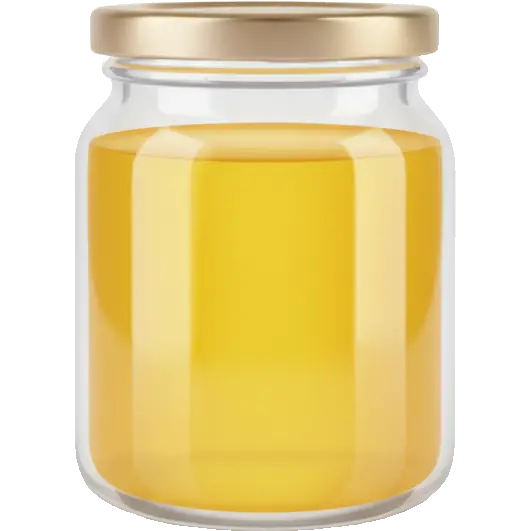
clarified butter
Oils & Fats
Is clarified butter high in oxalates?
Is clarified butter high or low in oxalates? See its exact rating, how much counts as a portion, and its FODMAP, salicylate, oxalate and diet compatibility in one place.
Related checkers
Compare clarified butter across criteria
Sensitivity notes
Why oxalates food checker matters
Oxalates are compounds found in many plant foods that can bind with calcium to form crystals. High oxalate intake may contribute to kidney stones in susceptible individuals and can cause other symptoms in those with oxalate sensitivity.
- Stay well-hydrated to help prevent oxalate crystal formation
- Pair high-oxalate foods with calcium-rich foods to bind oxalates
- Cooking and boiling can reduce oxalate content in some foods
- Spread oxalate intake throughout the day rather than one large dose
- Consider probiotics - some gut bacteria break down oxalates
Sensitivities
What clarified butter contains
FODMAPs
Histamine & Amines
Plant compounds
Irritants
Additives
Allergens
Diet fit
Where clarified butter fits
Therapeutic diets
Lifestyle diets
Religious diets
What to know about clarified butter
Clarified butter is butter that has been gently melted and skimmed so the milk solids and water are removed, leaving almost pure golden milk fat. That is why it reads clean on lactose: the milk sugar leaves with the solids, so lactose-intolerant cooks usually tolerate it. Our data still flags it high for dairy protein, because a trace of casein and whey can survive the skimming, and a true milk-protein allergy can react to even that little. Prized in French kitchens for its high smoke point, it behaves like a fat rather than a dairy drink, but it is not a fully dairy-free food.
Watch for
- Flagged high for dairy protein: skimming removes most of the casein and whey, but the traces left behind can still trigger a genuine cow milk allergy
- Near lactose-free, since the milk sugar leaves with the discarded milk solids, so it usually sits well with lactose intolerance
- A mild histamine liberator and a saturated animal fat, worth noting if dairy fat tends to aggravate you



Explore related in Oils & Fats
Compare similar foods to build a personalized list of swaps that work for your system.
Oxalates Guide
Everything you need to know about oxalates sensitivity and smart food choices.
Oxalates are compounds found in many plant foods that can bind with calcium to form crystals. High oxalate intake may contribute to kidney stones in susceptible individuals and can cause other symptoms in those with oxalate sensitivity.
Sensitivity varies widely. What triggers one person may be fine for another. Track your reactions to find your personal threshold.
These foods are generally well-tolerated for Oxalates sensitivity:
View all safe options







These foods have moderate levels and may be tolerated in small amounts:







These foods are high in oxalates and may trigger symptoms:
View full list






If you're sensitive to Oxalates, consider these strategies:
- 1Stay well-hydrated to help prevent oxalate crystal formation
- 2Pair high-oxalate foods with calcium-rich foods to bind oxalates
- 3Cooking and boiling can reduce oxalate content in some foods
- 4Spread oxalate intake throughout the day rather than one large dose
- 5Consider probiotics - some gut bacteria break down oxalates
Pro tip: Keep a food diary to track your reactions. The Triggerbites app makes this easy with automatic pattern detection.
Want personalized tracking?
Download Triggerbites to log meals, track symptoms, and discover your unique triggers.
Get the AppFAQ
Is clarified butter high in Oxalates?
Oxalates: low signal for most people.
Can I still eat clarified butter if I'm sensitive to Oxalates?
Usually fine in normal portions.
What else should I check?
Check Vegan, AIP, and EoE Compatible next for a fuller picture.