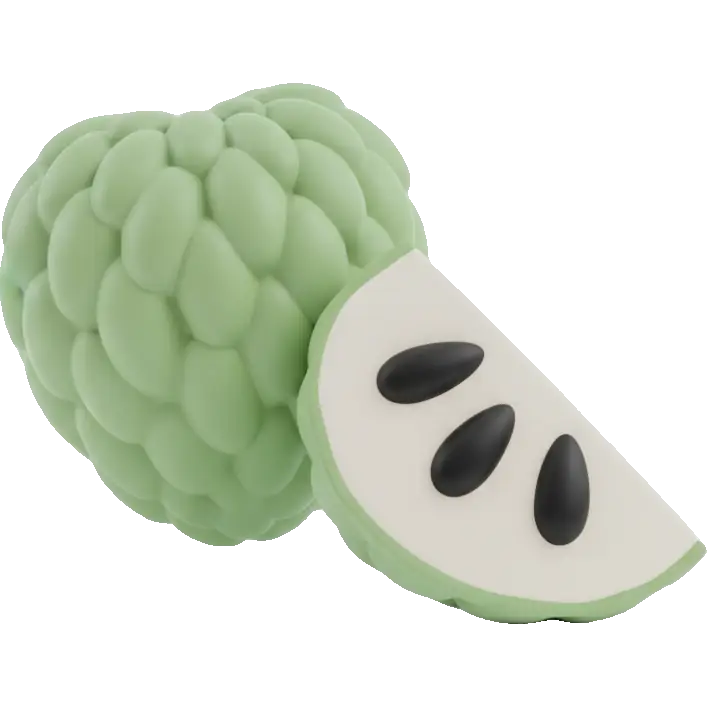
cherimoya
Fruit
Is cherimoya high in oxalates?
Is cherimoya high or low in oxalates? See its exact rating, how much counts as a portion, and its FODMAP, salicylate, oxalate and diet compatibility in one place.
Related checkers
Compare cherimoya across criteria
Sensitivity notes
Why oxalates food checker matters
Oxalates are compounds found in many plant foods that can bind with calcium to form crystals. High oxalate intake may contribute to kidney stones in susceptible individuals and can cause other symptoms in those with oxalate sensitivity.
- Stay well-hydrated to help prevent oxalate crystal formation
- Pair high-oxalate foods with calcium-rich foods to bind oxalates
- Cooking and boiling can reduce oxalate content in some foods
- Spread oxalate intake throughout the day rather than one large dose
- Consider probiotics - some gut bacteria break down oxalates
Sensitivities
What cherimoya contains
FODMAPs
Histamine & Amines
Plant compounds
Irritants
Additives
Allergens
Diet fit
Where cherimoya fits
Therapeutic diets
Lifestyle diets
Religious diets
What to know about cherimoya
Cherimoya is one of the heaviest FODMAP fruits in our database: it grades E for total FODMAPs, E for polyols and D for excess fructose, so a whole fruit delivers a large sorbitol and fructose load and rates E for low-fermentation SIBO diets. On the classic food chemistry triggers it is quiet, with low histamine, no gluten, no free glutamates and only mild grades for salicylates, oxalates and nickel. The question people actually search, though, is about safety rather than digestion. Cherimoya is an Annona (Annona cherimola), the same genus as soursop, and Annona plants produce annonaceous acetogenins including annonacin, a mitochondrial complex I inhibitor that is toxic to dopaminergic neurons in laboratory work. Epidemiological research in Guadeloupe linked an unusually high local rate of atypical parkinsonism to heavy habitual consumption of Annona muricata fruit and of teas brewed from its leaves. That association concerns years of near-daily intake, not an occasional dessert, and it has not been demonstrated for cherimoya specifically. The seeds are a clearer and less debatable hazard: they concentrate acetogenins and should never be chewed, crushed or blended.
Watch for
- Grades E for total FODMAPs and E for polyols, so the sorbitol in a whole cherimoya is a common cause of bloating, wind and loose stools even in people who handle most fruit fine
- Also D for excess fructose, which is a separate mechanism from the polyols and can hit fructose malabsorbers hard on top of the sorbitol
- Rated E for low-fermentation SIBO protocols: this is a fruit to park entirely during an elimination phase rather than portion down
- The seeds are toxic and must never be chewed, crushed or put through a blender.Scoop the flesh and discard them whole. Crushed Annona seed material is also a known severe eye irritant
- Annona fruit contain annonacin, which is neurotoxic in laboratory models.The epidemiological signal for atypical parkinsonism comes from populations eating related Annona fruit and leaf infusions heavily and habitually, so treat cherimoya as an occasional fruit rather than a daily staple






Explore related in Fruit
Compare similar foods to build a personalized list of swaps that work for your system.


Oxalates Guide
Everything you need to know about oxalates sensitivity and smart food choices.
Oxalates are compounds found in many plant foods that can bind with calcium to form crystals. High oxalate intake may contribute to kidney stones in susceptible individuals and can cause other symptoms in those with oxalate sensitivity.
Sensitivity varies widely. What triggers one person may be fine for another. Track your reactions to find your personal threshold.
These foods are generally well-tolerated for Oxalates sensitivity:
View all safe options







These foods have moderate levels and may be tolerated in small amounts:






These foods are high in oxalates and may trigger symptoms:
View full list




If you're sensitive to Oxalates, consider these strategies:
- 1Stay well-hydrated to help prevent oxalate crystal formation
- 2Pair high-oxalate foods with calcium-rich foods to bind oxalates
- 3Cooking and boiling can reduce oxalate content in some foods
- 4Spread oxalate intake throughout the day rather than one large dose
- 5Consider probiotics - some gut bacteria break down oxalates
Pro tip: Keep a food diary to track your reactions. The Triggerbites app makes this easy with automatic pattern detection.
Want personalized tracking?
Download Triggerbites to log meals, track symptoms, and discover your unique triggers.
Get the AppFAQ
Is cherimoya high in Oxalates?
Oxalates: moderate signal - portion size matters.
Can I still eat cherimoya if I'm sensitive to Oxalates?
Try smaller portions and space it out.
What else should I check?
Check FODMAPs, Polyols, and Low Fermentation next for a fuller picture.