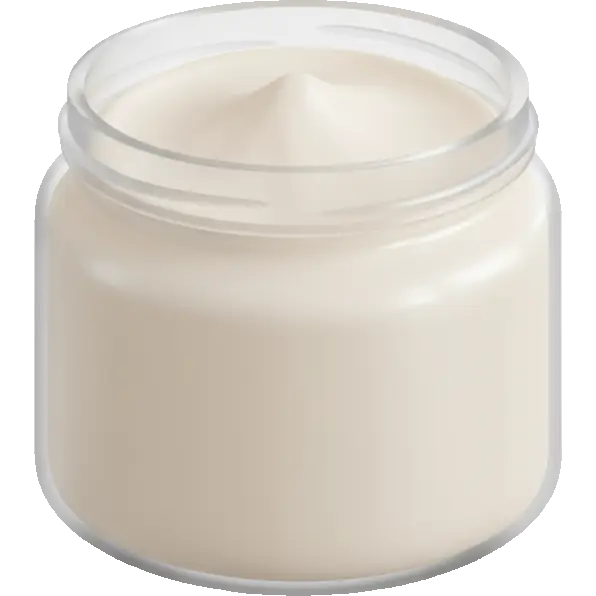
beef tallow
Oils & Fats
Is beef tallow high in oxalates?
Is beef tallow high or low in oxalates? See its exact rating, how much counts as a portion, and its FODMAP, salicylate, oxalate and diet compatibility in one place.
Related checkers
Compare beef tallow across criteria
Sensitivity notes
Why oxalates food checker matters
Oxalates are compounds found in many plant foods that can bind with calcium to form crystals. High oxalate intake may contribute to kidney stones in susceptible individuals and can cause other symptoms in those with oxalate sensitivity.
- Stay well-hydrated to help prevent oxalate crystal formation
- Pair high-oxalate foods with calcium-rich foods to bind oxalates
- Cooking and boiling can reduce oxalate content in some foods
- Spread oxalate intake throughout the day rather than one large dose
- Consider probiotics - some gut bacteria break down oxalates
Sensitivities
What beef tallow contains
FODMAPs
Histamine & Amines
Plant compounds
Irritants
Additives
Allergens
Diet fit
Where beef tallow fits
Therapeutic diets
Lifestyle diets
Religious diets
What to know about beef tallow
Beef tallow is rendered beef fat, and rendering strips out nearly everything that triggers people. It grades clean straight across our data: no lactose, no dairy protein, no gluten, no FODMAPs of any subgroup, no histamine or tyramine, no salicylates or oxalates, no sulfites, nitrites, nickel, glutamates or nightshade. The fact most people get wrong is worth stating plainly: tallow is an animal fat but it is not dairy. It is rendered from beef suet, not from milk, so it carries none of the lactose or casein that butter and ghee do. That makes it one of the few traditional cooking fats that is genuinely dairy free without being a seed oil, which is most of why it is back in restaurant fryers. The rest is heat. Tallow is saturated and stable with a smoke point around 200C (400F), so it survives repeated frying that breaks more delicate oils down.
Watch for
- Not dairy, despite being an animal fat.Tallow grades clean on both lactose and dairy protein, so it is a real cooking option if you are avoiding dairy but do not want to switch to a refined seed oil
- It is still beef.Tallow is a common unlabelled animal ingredient in fried food, pastry, refried beans and some tortillas, which catches people avoiding meat for other reasons
- Suet, dripping and tallow are the same fat at three stages: raw suet, pan drippings, and rendered clarified tallow.Drippings carry meat juices, salt and seasoning that pure rendered tallow does not
- Repeatedly reused fryer fat is not the same ingredient as fresh tallow.If fried food reliably bothers you but home cooked tallow does not, log restaurant frying as its own entry
- The beef flavour carries through.Tallow is not a neutral substitution in baking or delicate cooking the way a refined oil is


Explore related in Oils & Fats
Compare similar foods to build a personalized list of swaps that work for your system.
Oxalates Guide
Everything you need to know about oxalates sensitivity and smart food choices.
Oxalates are compounds found in many plant foods that can bind with calcium to form crystals. High oxalate intake may contribute to kidney stones in susceptible individuals and can cause other symptoms in those with oxalate sensitivity.
Sensitivity varies widely. What triggers one person may be fine for another. Track your reactions to find your personal threshold.
These foods are generally well-tolerated for Oxalates sensitivity:
View all safe options







These foods have moderate levels and may be tolerated in small amounts:








These foods are high in oxalates and may trigger symptoms:
View full list





If you're sensitive to Oxalates, consider these strategies:
- 1Stay well-hydrated to help prevent oxalate crystal formation
- 2Pair high-oxalate foods with calcium-rich foods to bind oxalates
- 3Cooking and boiling can reduce oxalate content in some foods
- 4Spread oxalate intake throughout the day rather than one large dose
- 5Consider probiotics - some gut bacteria break down oxalates
Pro tip: Keep a food diary to track your reactions. The Triggerbites app makes this easy with automatic pattern detection.
Want personalized tracking?
Download Triggerbites to log meals, track symptoms, and discover your unique triggers.
Get the AppFAQ
Is beef tallow high in Oxalates?
Oxalates: low signal for most people.
Can I still eat beef tallow if I'm sensitive to Oxalates?
Usually fine in normal portions.
What else should I check?
Check Vegan, Vegetarian, and Pescatarian next for a fuller picture.