 Back to Oxalates food checker
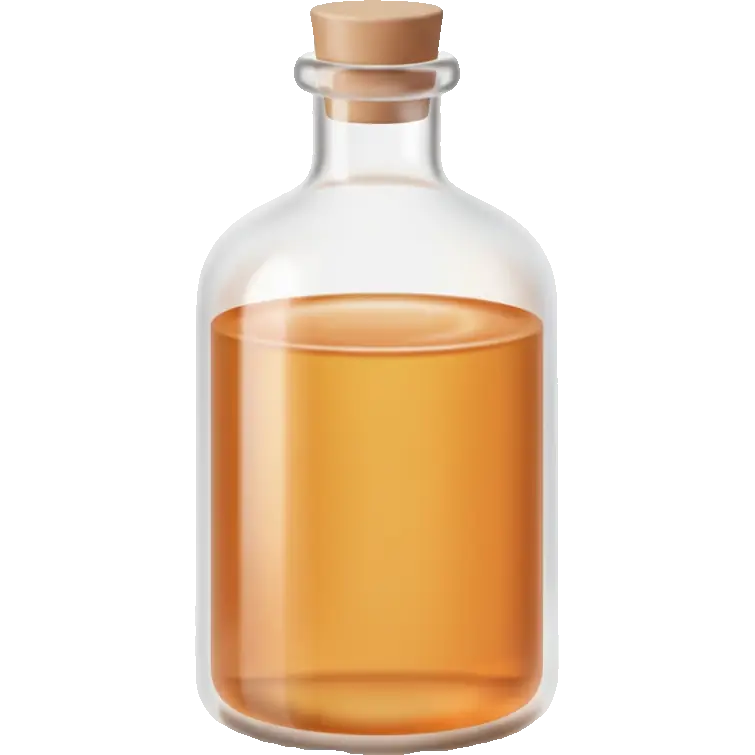
apple cider vinegar
Condiments & Sauces
Is apple cider vinegar high in oxalates?
Is apple cider vinegar high or low in oxalates? See its exact rating, how much counts as a portion, and its FODMAP, salicylate, oxalate and diet compatibility in one place.

Related checkers
Compare apple cider vinegar across criteria

Sensitivity notes
Why oxalates food checker matters
Oxalates are compounds found in many plant foods that can bind with calcium to form crystals. High oxalate intake may contribute to kidney stones in susceptible individuals and can cause other symptoms in those with oxalate sensitivity.
- Stay well-hydrated to help prevent oxalate crystal formation
- Pair high-oxalate foods with calcium-rich foods to bind oxalates
- Cooking and boiling can reduce oxalate content in some foods
- Spread oxalate intake throughout the day rather than one large dose
- Consider probiotics - some gut bacteria break down oxalates

Sensitivities
What apple cider vinegar contains
FODMAPs







Histamine & Amines



Plant compounds




Irritants




Additives



Allergens
















Diet fit
Where apple cider vinegar fits
Therapeutic diets










Lifestyle diets









Religious diets






What to know about apple cider vinegar
Apple cider vinegar is often sold as a health tonic, but as a fermented, unrefined vinegar it carries a moderate histamine load and moderate sulfites, so it can trigger flushing, headaches or a stuffy nose in people with histamine intolerance. It is otherwise clean on FODMAPs at normal splash sizes, and the bigger everyday issue for most drinkers is not a trigger at all but the acid: at roughly 5% acetic acid it is harsh on tooth enamel and the throat when taken neat.
Watch for
- Moderate in histamine because it is fermented, so the raw or "with the mother" bottles can set off histamine-intolerance symptoms even though the amount you use is small
- Moderate sulfites, a separate trigger worth knowing if you react to sulfites in wine or dried fruit
- Acid erosion, not a sensitivity but a real one: drinking it straight or in shots strips enamel and irritates the throat, so dilute it well and rinse

Explore related in Condiments & Sauces
Compare similar foods to build a personalized list of swaps that work for your system.
Oxalates Guide
Everything you need to know about oxalates sensitivity and smart food choices.
Oxalates are compounds found in many plant foods that can bind with calcium to form crystals. High oxalate intake may contribute to kidney stones in susceptible individuals and can cause other symptoms in those with oxalate sensitivity.
Sensitivity varies widely. What triggers one person may be fine for another. Track your reactions to find your personal threshold.

These foods are generally well-tolerated for Oxalates sensitivity:
View all safe options






These foods have moderate levels and may be tolerated in small amounts:





These foods are high in oxalates and may trigger symptoms:
View full list


If you're sensitive to Oxalates, consider these strategies:
- 1Stay well-hydrated to help prevent oxalate crystal formation
- 2Pair high-oxalate foods with calcium-rich foods to bind oxalates
- 3Cooking and boiling can reduce oxalate content in some foods
- 4Spread oxalate intake throughout the day rather than one large dose
- 5Consider probiotics - some gut bacteria break down oxalates
Pro tip: Keep a food diary to track your reactions. The Triggerbites app makes this easy with automatic pattern detection.
Want personalized tracking?
Download Triggerbites to log meals, track symptoms, and discover your unique triggers.
Get the AppFAQ
Is apple cider vinegar high in Oxalates?
Oxalates: higher signal - consider smaller servings or swaps.
Can I still eat apple cider vinegar if I'm sensitive to Oxalates?
Best to avoid or test carefully with a small amount.
What else should I check?
Check Acidic Foods, Reflux Diet, and Histamine next for a fuller picture.