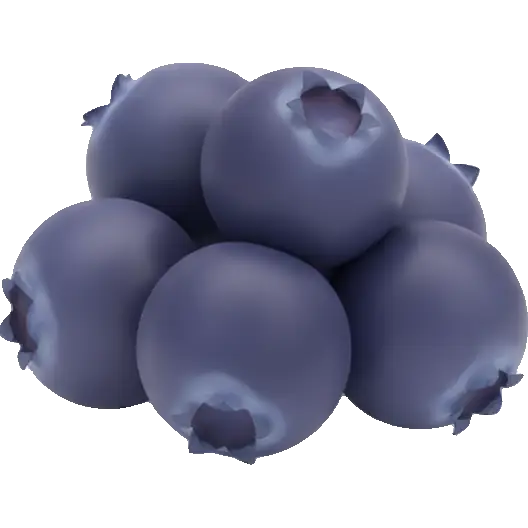
serviceberry
Fruit
Is serviceberry high in nightshades?
Is serviceberry high or low in nightshades? See its exact rating, how much counts as a portion, and its FODMAP, salicylate, oxalate and diet compatibility in one place.
Related checkers
Compare serviceberry across criteria
Sensitivity notes
Why nightshades food checker matters
Nightshades are a plant family including tomatoes, peppers, eggplants, and potatoes. Some people find that avoiding nightshades helps with joint pain, digestive issues, or inflammatory conditions, though research is limited.
- Complete elimination for 30 days gives the clearest picture
- Watch for hidden nightshades in spice blends and sauces
- Paprika and cayenne are nightshades often overlooked
- Sweet potatoes are NOT nightshades - they're safe
- Goji berries are nightshades
Sensitivities
What serviceberry contains
FODMAPs
Histamine & Amines
Plant compounds
Irritants
Additives
Allergens
Diet fit
Where serviceberry fits
Therapeutic diets
Lifestyle diets
Religious diets
What to know about serviceberry
Serviceberry and saskatoon are the same fruit under two names, and this journal grades them identically. What separates them is not chemistry, it is consistency. Saskatoon means one domesticated prairie species grown as named cultivars with a known crop behind it. Serviceberry is the North American catch-all for the whole Amelanchier genus, a group that reproduces partly by apomixis and hybridises freely, which is why botanists have put its species count anywhere from about twenty to several hundred depending on where they draw the lines, and the serviceberry most people actually eat comes off a wild thicket or a municipal street tree of no recorded parentage. Read the grades here as a genus average rather than a measurement of the fruit in your hand. On those grades serviceberry is mild for salicylates, oxalate, nickel, free glutamates and histamine liberation, clean for histamine content, tyramine, sulfites, gluten, lactose and nightshade, and untested on every FODMAP column.
Watch for
- Wild variability is the honest caveat on this page.Amelanchier species differ from each other in sweetness, seed hardness and astringency, and individual trees differ again, so a dry, tannic serviceberry off an ornamental in a car park and a plump one off a good wild thicket are not the same eating experience. No grade can resolve that for you, and it is the main reason the confidence rating here is low
- A naming collision that genuinely trips people up: in Britain the service tree is Sorbus domestica and the wild service tree is Sorbus torminalis, both close relatives of rowan, and both produce fruit so astringent it is inedible until it has bletted, meaning over-ripened or frosted into softness.Those are not Amelanchier and none of the grades on this page apply to them
- This is a pome, related to apple, pear and hawthorn rather than to blueberry.Anyone whose mouth itches after raw apple from birch pollen food allergy syndrome has a reason for a cautious first taste. No serviceberry-specific cross-reactivity has been documented, so treat it as a botanical heads-up rather than a warning
- FODMAP grades are unrated, not low.Nobody has run this fruit through a portion analysis, and the picking habit it invites, a cupful eaten standing under the tree, is exactly the sort of dose that would expose a sugar issue if there is one
- Serviceberry is one of the most planted small ornamental trees in North American towns, so a great deal of the fruit gets picked from street plantings and car park borders.Where the tree stands is a fair question about municipal spraying and road grime, and it is not something a trigger grade covers




Explore related in Fruit
Compare similar foods to build a personalized list of swaps that work for your system.
Nightshades Guide
Everything you need to know about nightshades sensitivity and smart food choices.
Nightshades are a plant family including tomatoes, peppers, eggplants, and potatoes. Some people find that avoiding nightshades helps with joint pain, digestive issues, or inflammatory conditions, though research is limited.
Sensitivity varies widely. What triggers one person may be fine for another. Track your reactions to find your personal threshold.
These foods are generally well-tolerated for Nightshades sensitivity:
View all safe options







These foods have moderate levels and may be tolerated in small amounts:


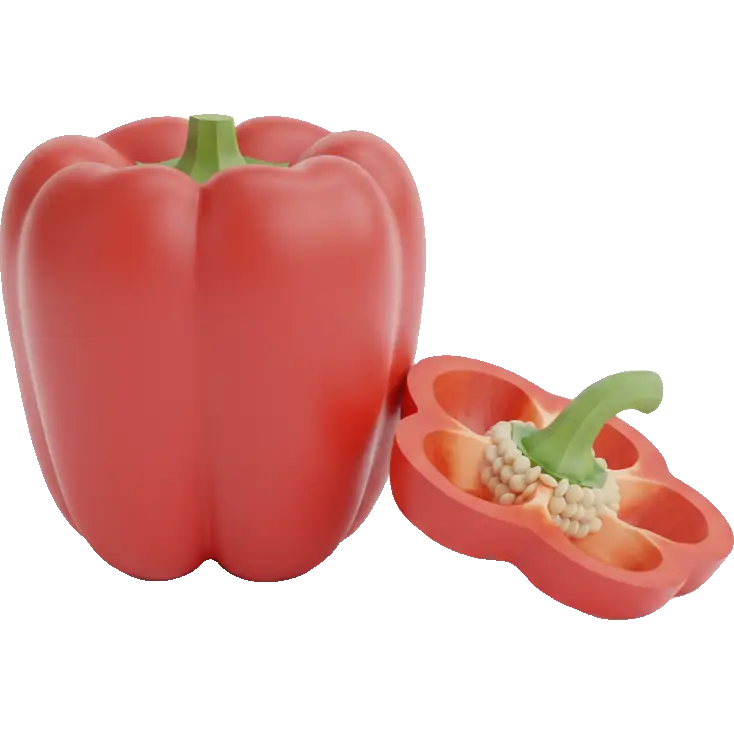
These foods are high in nightshades and may trigger symptoms:
View full list




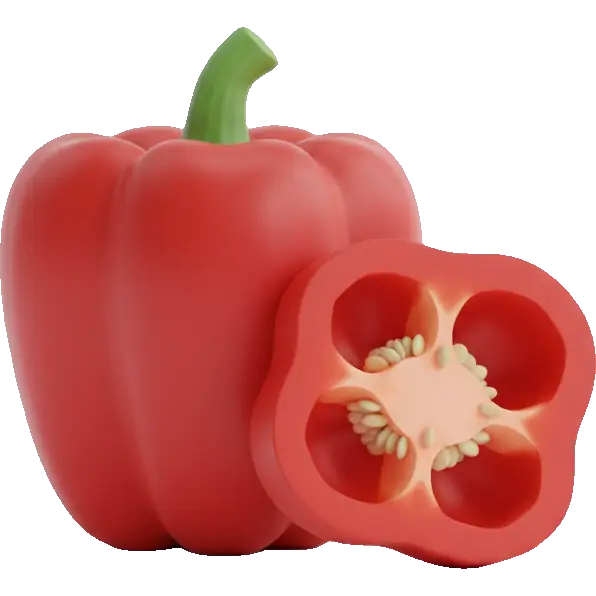
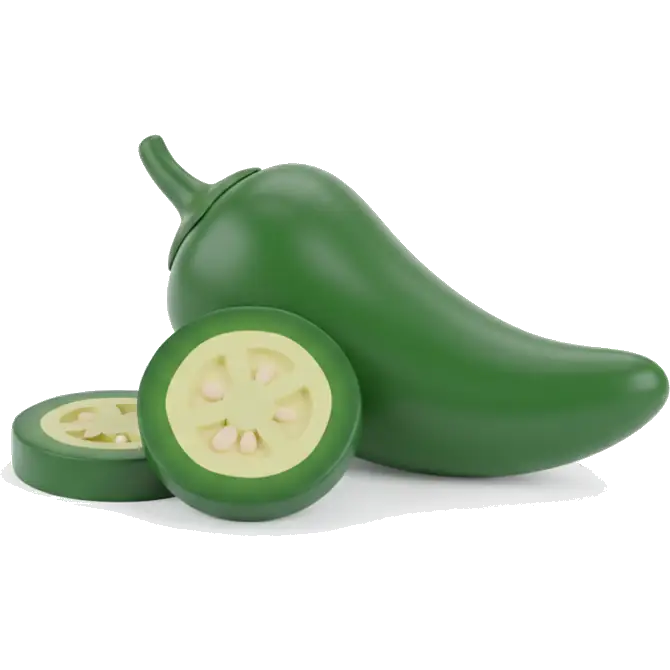
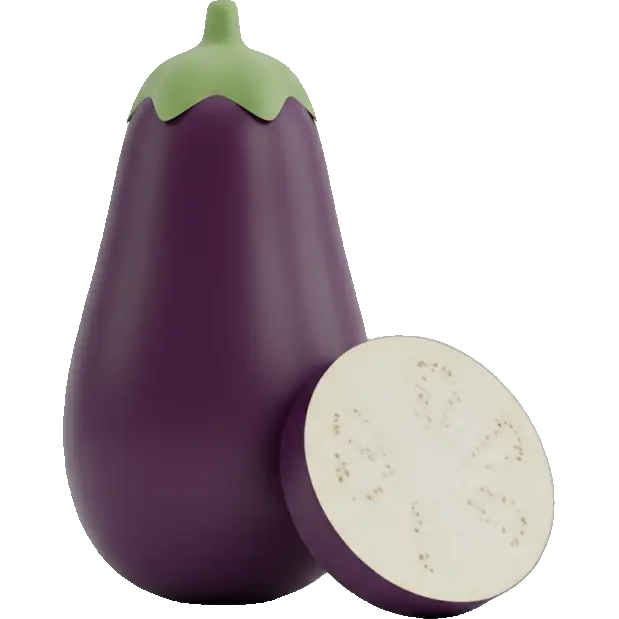
If you're sensitive to Nightshades, consider these strategies:
- 1Complete elimination for 30 days gives the clearest picture
- 2Watch for hidden nightshades in spice blends and sauces
- 3Paprika and cayenne are nightshades often overlooked
- 4Sweet potatoes are NOT nightshades - they're safe
- 5Goji berries are nightshades
Pro tip: Keep a food diary to track your reactions. The Triggerbites app makes this easy with automatic pattern detection.
Want personalized tracking?
Download Triggerbites to log meals, track symptoms, and discover your unique triggers.
Get the AppFAQ
Is serviceberry high in Nightshades?
Nightshades: low signal for most people.
Can I still eat serviceberry if I'm sensitive to Nightshades?
Usually fine in normal portions.
What else should I check?
Check Keto, Low Fibre, and Low-carb next for a fuller picture.