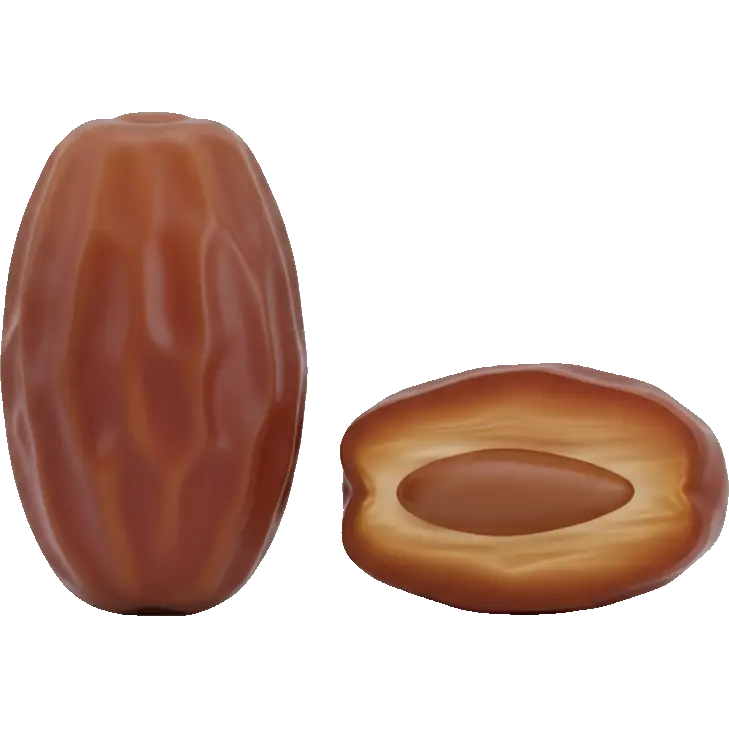
date
Fruit
Is date low-carb-compatible?
See whether date fits a low-carb diet, with a clear compatible-or-avoid verdict plus its FODMAP, histamine and other trigger ratings in one place.
Related checkers
Compare date across criteria
Sensitivity notes
Why low-carb diet checker matters
Low-carb affects how your body responds to certain foods. Understanding your personal tolerance helps you make informed choices.
- Keep a detailed food and symptom diary to track your personal reactions
- Eliminate the suspected trigger completely for 2-4 weeks
- Reintroduce gradually to find your personal tolerance threshold
- Work with a healthcare provider or registered dietitian for guidance
- Remember that food sensitivities can change over time
Sensitivities
What date contains
FODMAPs
Histamine & Amines
Plant compounds
Irritants
Additives
Allergens
Diet fit
Where date fits
Therapeutic diets
Lifestyle diets
Religious diets
What to know about date
Dates are a sticky, sweet, concentrated-sugar bomb, and the trigger data shows why they hit harder than their small size suggests. They are high FODMAP from excess fructose, high in salicylates, and very high in oxalates: a single date carries around 24 mg, putting dates among the highest-oxalate fruits and a real concern for calcium-oxalate kidney stones. Unlike prunes and dried apricots the polyol level is only moderate, so with dates the story is fructose, salicylate and oxalate, not sorbitol.
Watch for
- Very high in oxalates, among the highest of any fruit, so dates are worth limiting if you are prone to calcium-oxalate kidney stones
- High FODMAP from excess fructose, the concentrated sugar behind the bloating and gas people get from just a couple of dates
- High in salicylates, a separate trigger if you react to aspirin-type or salicylate-rich foods
- Moderate for nickel, worth noting if you have systemic nickel allergy and are stacking other nickel-rich foods








Explore related in Fruit
Compare similar foods to build a personalized list of swaps that work for your system.






Low-carb Guide
Everything you need to know about low-carb compatibility and smart food choices.
Low-carb affects how your body responds to certain foods. Understanding your personal tolerance helps you make informed choices.
These foods are typically compatible with a Low-carb approach:
View all safe options







Practical guidance for following a Low-carb diet:
- 1Keep a detailed food and symptom diary to track your personal reactions
- 2Eliminate the suspected trigger completely for 2-4 weeks
- 3Reintroduce gradually to find your personal tolerance threshold
- 4Work with a healthcare provider or registered dietitian for guidance
- 5Remember that food sensitivities can change over time
Pro tip: Keep a food diary to track your reactions. The Triggerbites app makes this easy with automatic pattern detection.
Want personalized tracking?
Download Triggerbites to log meals, track symptoms, and discover your unique triggers.
Get the AppFAQ
Does date fit a low-carb diet?
Low-carb: avoid for strict plans.
What if I eat it occasionally?
Occasional use may break strict plans.
What are safer swaps?
Compare within the Fruit group.