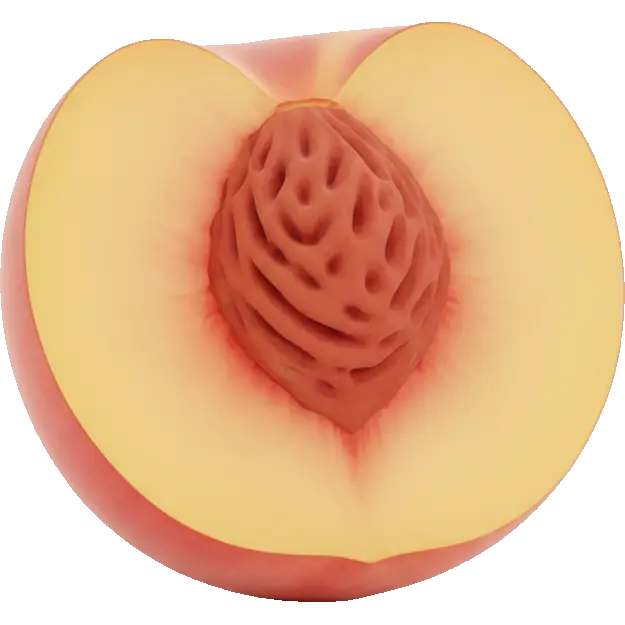
peach
Fruit
Is peach high in lectin?
Is peach high or low in lectin? See its exact rating, how much counts as a portion, and its FODMAP, salicylate, oxalate and diet compatibility in one place.
Related checkers
Compare peach across criteria
Sensitivity notes
Why lectin food checker matters
Lectins are proteins found in many plant foods, especially legumes and grains. Some people follow low-lectin diets believing they reduce inflammation and digestive issues, though properly cooked foods have reduced lectin content.
- Proper cooking destroys most lectins - never eat raw beans
- Pressure cooking is highly effective at reducing lectins
- Peeling and deseeding reduces lectin content
- Fermentation can reduce lectins in some foods
- Sprouting may increase or decrease lectins depending on the food
Sensitivities
What peach contains
FODMAPs
Histamine & Amines
Plant compounds
Irritants
Additives
Allergens
Diet fit
Where peach fits
Therapeutic diets
Lifestyle diets
Religious diets
What to know about peach
Peaches are a classic stone fruit and a classic FODMAP trigger. Their standout issue is sorbitol, a sugar alcohol common to stone fruit that is poorly absorbed and ferments in the gut. Peaches are also high in salicylates and act as a histamine liberator, so a ripe peach can cause bloating, an itchy mouth or flushing in sensitive people even though the flesh itself is low in histamine.
Watch for
- High in sorbitol, the sugar alcohol shared across stone fruit, which draws water into the intestine and commonly causes bloating, wind and loose stools
- High in salicylates, a frequent trigger for people who react to aspirin or other salicylate-rich foods
- Histamine liberator, so peaches can bring on itching, flushing or headaches despite being low in histamine themselves
- High FODMAP overall, from sorbitol plus some excess fructose, so tolerance drops fast with a larger serving







Explore related in Fruit
Compare similar foods to build a personalized list of swaps that work for your system.


Lectin Guide
Everything you need to know about lectin sensitivity and smart food choices.
Lectins are proteins found in many plant foods, especially legumes and grains. Some people follow low-lectin diets believing they reduce inflammation and digestive issues, though properly cooked foods have reduced lectin content.
Sensitivity varies widely. What triggers one person may be fine for another. Track your reactions to find your personal threshold.
These foods are generally well-tolerated for Lectin sensitivity:
View all safe options



















If you're sensitive to Lectin, consider these strategies:
- 1Proper cooking destroys most lectins - never eat raw beans
- 2Pressure cooking is highly effective at reducing lectins
- 3Peeling and deseeding reduces lectin content
- 4Fermentation can reduce lectins in some foods
- 5Sprouting may increase or decrease lectins depending on the food
Pro tip: Keep a food diary to track your reactions. The Triggerbites app makes this easy with automatic pattern detection.
Want personalized tracking?
Download Triggerbites to log meals, track symptoms, and discover your unique triggers.
Get the AppFAQ
Is peach high in Lectin?
Lectin: low signal for most people.
Can I still eat peach if I'm sensitive to Lectin?
Usually fine in normal portions.
What else should I check?
Check Histamine Liberators, FODMAPs, and Polyols next for a fuller picture.