 Back to Histamine Liberators food checker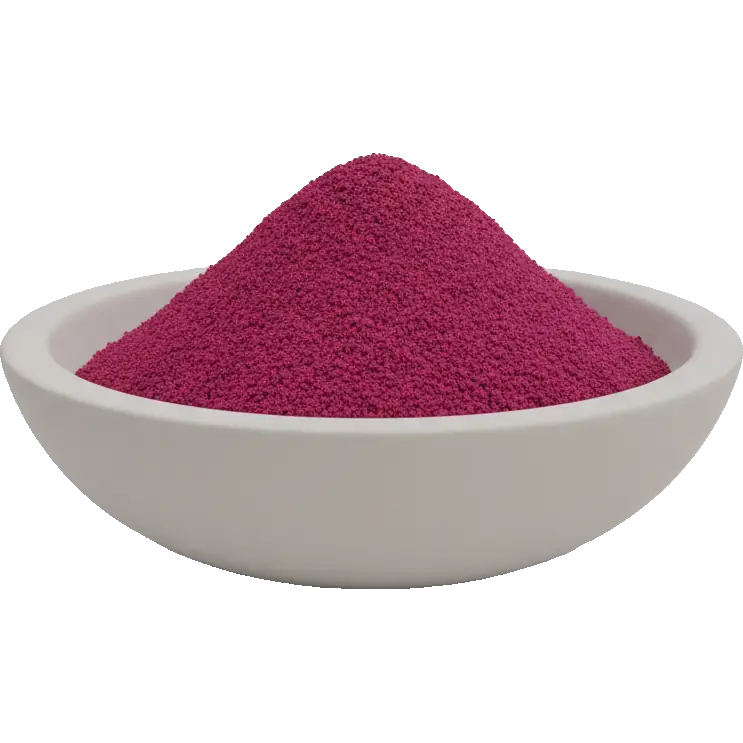
sumac
Herbs & Spices
Is sumac high in histamine liberators?
Is sumac high or low in histamine liberators? See its exact rating, how much counts as a portion, and its FODMAP, salicylate, oxalate and diet compatibility in one place.

Related checkers
Compare sumac across criteria

Sensitivity notes
Why histamine liberators food checker matters
Histamine liberators are foods that don't contain much histamine themselves but can trigger your body to release stored histamine. This can cause similar symptoms to high-histamine foods in sensitive individuals.
- Avoid histamine liberators alongside high-histamine foods
- Common liberators include citrus, strawberries, tomatoes, and chocolate
- Your tolerance may vary based on overall histamine load
- Keep a symptom diary to identify your personal triggers
- Consider your total 'histamine bucket' - liberators add to it

Sensitivities
What sumac contains
FODMAPs







Histamine & Amines



Plant compounds




Irritants




Additives



Allergens
















Diet fit
Where sumac fits
Therapeutic diets










Lifestyle diets









Religious diets






What to know about sumac
Sumac is the dried, ground berry of Rhus coriaria, and it is the reason so much Levantine food tastes bright without a drop of citrus anywhere in it. That is exactly why it matters on this site. Lemon and lime both grade D as histamine liberators, so when flushing, hives or a headache follow anything sour, the acid is usually not the culprit, the citrus is. Sumac delivers the same tart lift at histamine A and only B as a liberator, which is why it turns up as the recommended replacement for lemon on several pages here. It is otherwise a clean spice: no gluten, no lactose, no nickel, no sulfites, no nitrites, no tyramine, and A across all four FODMAP subgroups. Its single meaningful grade is a moderate C on salicylates. And to settle the question everyone asks first: the red spice is not poison sumac.
Watch for
- Moderate salicylate (C) is the one real flag.A restrained dusting over labneh is small, but fattoush and heavily sumac-crusted meat use it by the tablespoon, and that is where salicylate-sensitive eaters notice it
- It is a downgrade from citrus, not a zero.Sumac still grades B as a histamine liberator, so if your histamine threshold is very low it belongs in the test-it-alone pile rather than the free-food pile
- Ground sumac is very often cut with salt, and some brands add citric acid to sharpen the sourness.Check the label if you are tracking sodium or additives, because the filler can outweigh the spice
- Zaatar is the most common way people eat sumac, and the mix brings company: thyme and oregano push the salicylate load higher, and most commercial blends contain sesame, which is a top allergen in its own right
- Colour is a tell.Good sumac is a deep, dull brick red and slightly damp from its natural oils. Bright, uniformly scarlet powder usually means dye or a heavy salt cut




Explore related in Herbs & Spices
Compare similar foods to build a personalized list of swaps that work for your system.

Histamine Liberators Guide
Everything you need to know about histamine liberators sensitivity and smart food choices.
Histamine liberators are foods that don't contain much histamine themselves but can trigger your body to release stored histamine. This can cause similar symptoms to high-histamine foods in sensitive individuals.
Sensitivity varies widely. What triggers one person may be fine for another. Track your reactions to find your personal threshold.

These foods are generally well-tolerated for Histamine Liberators sensitivity:
View all safe options








These foods have moderate levels and may be tolerated in small amounts:






These foods are high in histamine liberators and may trigger symptoms:
View full list




If you're sensitive to Histamine Liberators, consider these strategies:
- 1Avoid histamine liberators alongside high-histamine foods
- 2Common liberators include citrus, strawberries, tomatoes, and chocolate
- 3Your tolerance may vary based on overall histamine load
- 4Keep a symptom diary to identify your personal triggers
- 5Consider your total 'histamine bucket' - liberators add to it
Pro tip: Keep a food diary to track your reactions. The Triggerbites app makes this easy with automatic pattern detection.
Want personalized tracking?
Download Triggerbites to log meals, track symptoms, and discover your unique triggers.
Get the AppFAQ
Is sumac high in Histamine Liberators?
Histamine Liberators: moderate signal - portion size matters.
Can I still eat sumac if I'm sensitive to Histamine Liberators?
Try smaller portions and space it out.
What else should I check?
Check Salicylates, Low Salicylate, and Reflux Diet next for a fuller picture.