 Back to Histamine Liberators food checker
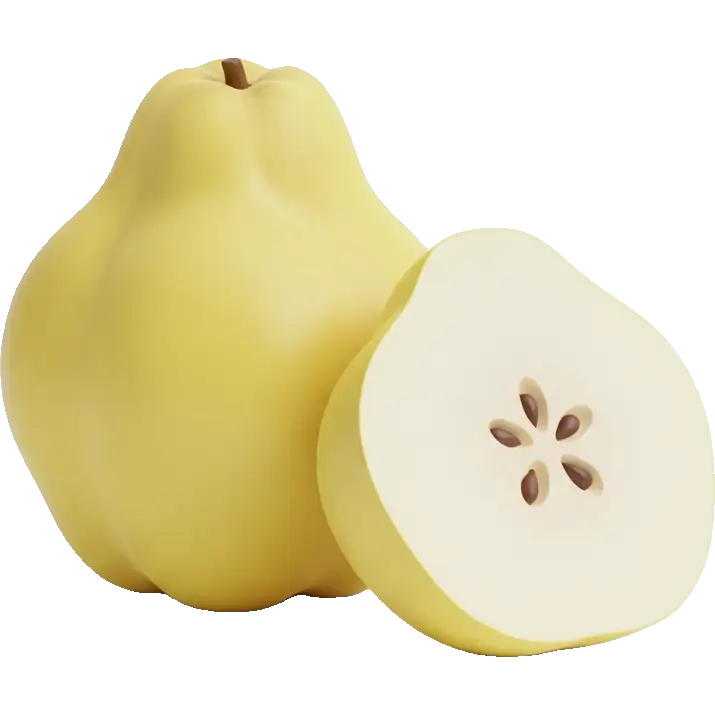
quince
Fruit
Is quince high in histamine liberators?
Is quince high or low in histamine liberators? See its exact rating, how much counts as a portion, and its FODMAP, salicylate, oxalate and diet compatibility in one place.

Related checkers
Compare quince across criteria

Sensitivity notes
Why histamine liberators food checker matters
Histamine liberators are foods that don't contain much histamine themselves but can trigger your body to release stored histamine. This can cause similar symptoms to high-histamine foods in sensitive individuals.
- Avoid histamine liberators alongside high-histamine foods
- Common liberators include citrus, strawberries, tomatoes, and chocolate
- Your tolerance may vary based on overall histamine load
- Keep a symptom diary to identify your personal triggers
- Consider your total 'histamine bucket' - liberators add to it

Sensitivities
What quince contains
FODMAPs







Histamine & Amines



Plant compounds




Irritants




Additives



Allergens
















Diet fit
Where quince fits
Therapeutic diets










Lifestyle diets









Religious diets






What to know about quince
Quince is the fruit you cannot eat raw. It is hard enough to blunt a knife, mouth-strippingly astringent from its tannins, and so rich in pectin that it will set a jelly with nothing added. Only long slow cooking turns it into food, and that is when the famous colour change happens: the pale cream flesh drifts through amber into rose and then deep garnet as heat breaks the tannins apart and releases the anthocyanin that was locked inside them. On triggers quince sits in a mild band with no single alarm: histamine liberator B, salicylates B, oxalates B and nickel B, with histamine content, glutamates, sulfites and tyramine all clean at A. The honest gap is FODMAPs, which is unrated across every one of those columns, and that matters more than it sounds, because quince is a pome fruit and its close relatives apple and pear both grade D for FODMAPs and D for excess fructose.
Watch for
- FODMAP data is missing entirely: fodmaps, fructans, excess fructose and polyols are all unrated, and so is the SIBO column.Given that apple and pear, its nearest botanical relatives, are FODMAP D and excess fructose D, treat quince as untested rather than as safe and start with a small portion of the cooked fruit if your symptoms are gut-based.
- Almost nobody eats quince as fruit.It arrives as membrillo, jelly or jam, which is roughly equal parts fruit and sugar boiled down hard, so a reaction to a slab of quince paste may be about the sugar and the portion rather than about the fruit chemistry at all.
- Four B grades (histamine liberator, salicylates, oxalates, nickel) rather than one high one.Each is unremarkable alone, but the classic serving context is quince paste on a cheese board next to aged cheese and cured meat, which brings a far heavier histamine load with it.
- The seeds contain amygdalin, in the same way apple pips do, so quince is cored rather than blitzed whole.This is a preparation habit worth keeping if you are cooking the fruit down for the first time.
- A few very ripe warm-climate cultivars are soft enough to eat raw, but the common European quince is not one of them, and its astringency is a tannin effect rather than a sign the fruit is unripe.
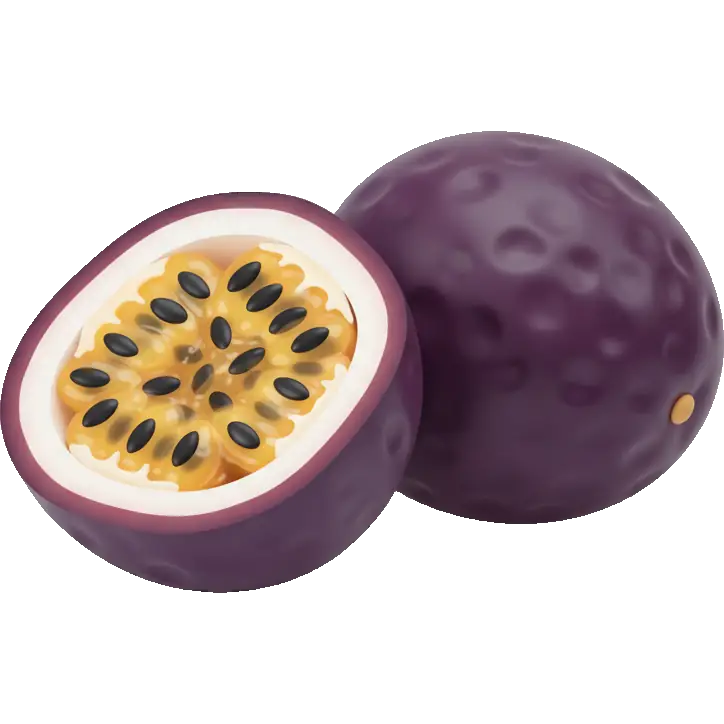
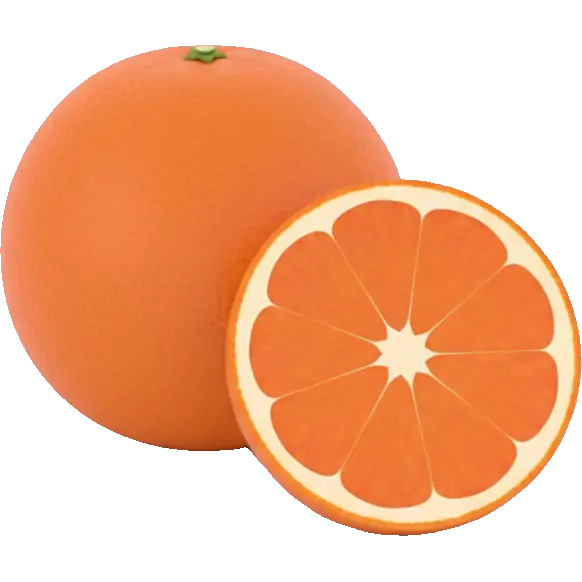
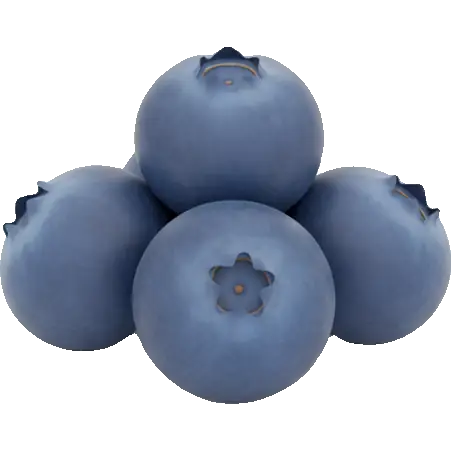
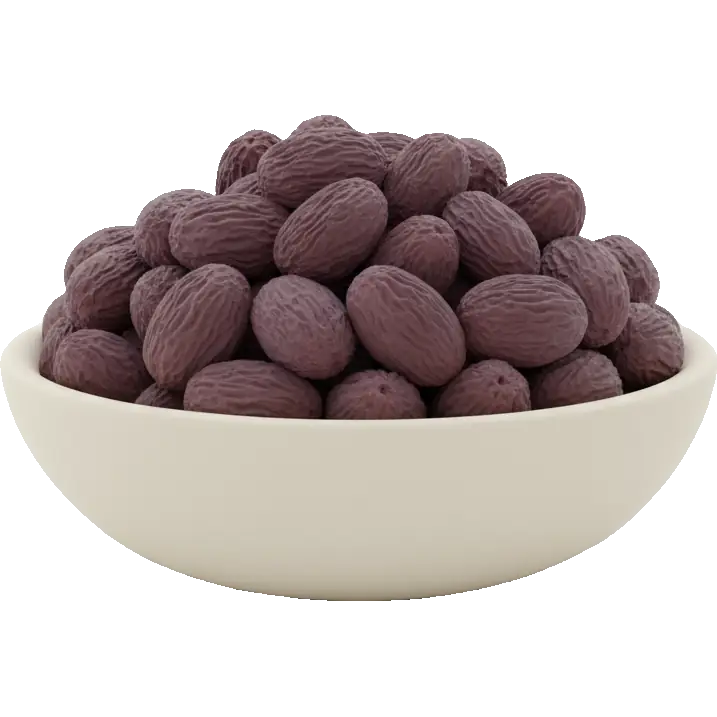
Explore related in Fruit
Compare similar foods to build a personalized list of swaps that work for your system.

Histamine Liberators Guide
Everything you need to know about histamine liberators sensitivity and smart food choices.
Histamine liberators are foods that don't contain much histamine themselves but can trigger your body to release stored histamine. This can cause similar symptoms to high-histamine foods in sensitive individuals.
Sensitivity varies widely. What triggers one person may be fine for another. Track your reactions to find your personal threshold.

These foods are generally well-tolerated for Histamine Liberators sensitivity:
View all safe options





These foods have moderate levels and may be tolerated in small amounts:

These foods are high in histamine liberators and may trigger symptoms:
View full list

If you're sensitive to Histamine Liberators, consider these strategies:
- 1Avoid histamine liberators alongside high-histamine foods
- 2Common liberators include citrus, strawberries, tomatoes, and chocolate
- 3Your tolerance may vary based on overall histamine load
- 4Keep a symptom diary to identify your personal triggers
- 5Consider your total 'histamine bucket' - liberators add to it
Pro tip: Keep a food diary to track your reactions. The Triggerbites app makes this easy with automatic pattern detection.
Want personalized tracking?
Download Triggerbites to log meals, track symptoms, and discover your unique triggers.
Get the AppFAQ
Is quince high in Histamine Liberators?
Histamine Liberators: moderate signal - portion size matters.
Can I still eat quince if I'm sensitive to Histamine Liberators?
Try smaller portions and space it out.
What else should I check?
Check Acidic Foods, Low Fibre, and Gastroparesis Diet next for a fuller picture.