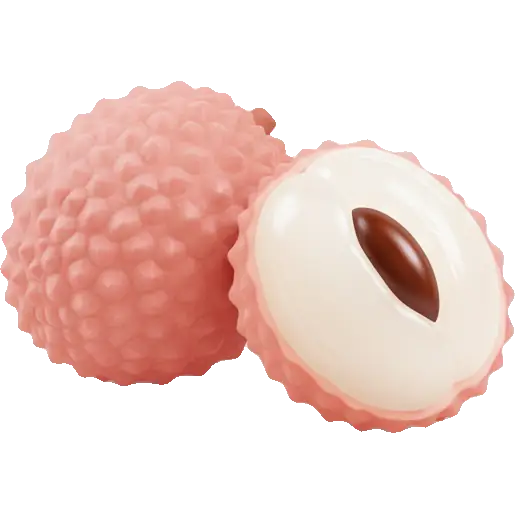
lychee
Fruit
Is lychee high in histamine liberators?
Is lychee high or low in histamine liberators? See its exact rating, how much counts as a portion, and its FODMAP, salicylate, oxalate and diet compatibility in one place.
Related checkers
Compare lychee across criteria
Sensitivity notes
Why histamine liberators food checker matters
Histamine liberators are foods that don't contain much histamine themselves but can trigger your body to release stored histamine. This can cause similar symptoms to high-histamine foods in sensitive individuals.
- Avoid histamine liberators alongside high-histamine foods
- Common liberators include citrus, strawberries, tomatoes, and chocolate
- Your tolerance may vary based on overall histamine load
- Keep a symptom diary to identify your personal triggers
- Consider your total 'histamine bucket' - liberators add to it
Sensitivities
What lychee contains
FODMAPs
Histamine & Amines
Plant compounds
Irritants
Additives
Allergens
Diet fit
Where lychee fits
Therapeutic diets
Lifestyle diets
Religious diets
What to know about lychee
Lychee grades E for excess fructose and D for polyols, which puts it at E overall on FODMAPs and makes it one of the tropical fruits most likely to produce bloating, wind and loose stools. It also grades E for low-fermentation SIBO protocols. On food chemistry it is mild: low histamine, only a slight liberator effect, low salicylate and low nickel, so a lychee reaction is almost always about the sugars rather than about amines. The other thing people search for is whether lychees are dangerous, after the acute encephalopathy outbreaks reported in litchi-growing regions of India and Vietnam. That risk is specific and worth stating precisely: it involves unripe fruit eaten in quantity by undernourished children who had skipped their evening meal, not ripe lychee eaten as part of a normal diet.
Watch for
- Very high in excess fructose (E), with more fructose than glucose, so a handful of lychees delivers a fructose load that a sensitive gut absorbs badly
- High in polyols (D) on top of that, which is what pushes it to E for total FODMAPs.Lychees are also easy to over-eat because they are small and sweet
- Poor fit for low-fermentation SIBO diets (E), where the combination of fructose and polyols is exactly what those protocols are built to limit
- Unripe lychee contains hypoglycin A and MCPG, natural compounds that block the body from making glucose from fat.They are the documented cause of hypoglycaemic encephalopathy outbreaks in undernourished children who ate unripe fruit on an empty stomach. Ripe fruit eaten alongside meals is not that scenario, but there is no reason to eat green, unripe lychees
- Canned lychee in syrup and dried lychee concentrate the sugars, so the processed forms are heavier on fructose than the fresh fruit


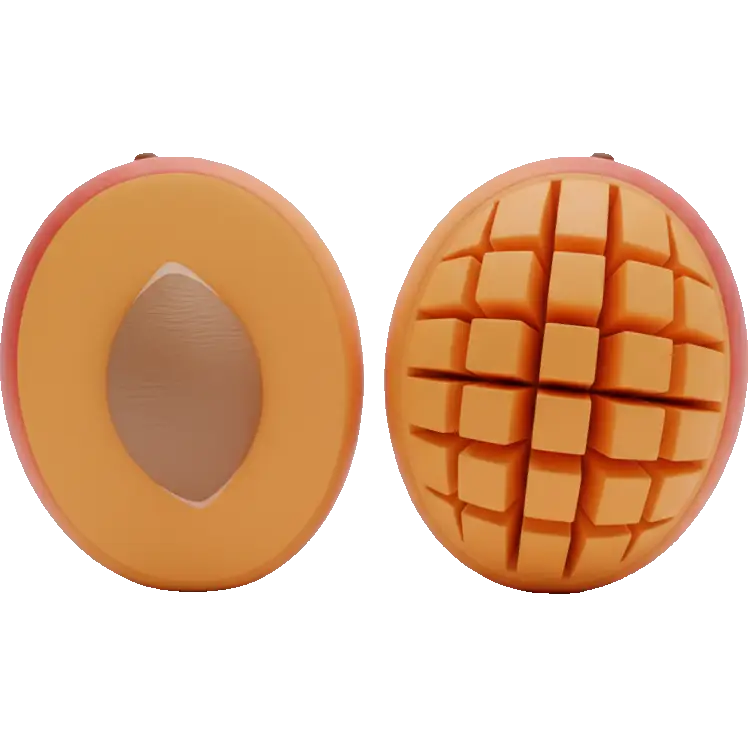
Explore related in Fruit
Compare similar foods to build a personalized list of swaps that work for your system.




Histamine Liberators Guide
Everything you need to know about histamine liberators sensitivity and smart food choices.
Histamine liberators are foods that don't contain much histamine themselves but can trigger your body to release stored histamine. This can cause similar symptoms to high-histamine foods in sensitive individuals.
Sensitivity varies widely. What triggers one person may be fine for another. Track your reactions to find your personal threshold.
These foods are generally well-tolerated for Histamine Liberators sensitivity:
View all safe options







These foods have moderate levels and may be tolerated in small amounts:







These foods are high in histamine liberators and may trigger symptoms:
View full list



If you're sensitive to Histamine Liberators, consider these strategies:
- 1Avoid histamine liberators alongside high-histamine foods
- 2Common liberators include citrus, strawberries, tomatoes, and chocolate
- 3Your tolerance may vary based on overall histamine load
- 4Keep a symptom diary to identify your personal triggers
- 5Consider your total 'histamine bucket' - liberators add to it
Pro tip: Keep a food diary to track your reactions. The Triggerbites app makes this easy with automatic pattern detection.
Want personalized tracking?
Download Triggerbites to log meals, track symptoms, and discover your unique triggers.
Get the AppFAQ
Is lychee high in Histamine Liberators?
Histamine Liberators: moderate signal - portion size matters.
Can I still eat lychee if I'm sensitive to Histamine Liberators?
Try smaller portions and space it out.
What else should I check?
Check FODMAPs, Fructose, and Low Fermentation next for a fuller picture.