
lemon balm
Herbs & Spices
Is lemon balm high in histamine liberators?
Is lemon balm high or low in histamine liberators? See its exact rating, how much counts as a portion, and its FODMAP, salicylate, oxalate and diet compatibility in one place.
Related checkers
Compare lemon balm across criteria
Sensitivity notes
Why histamine liberators food checker matters
Histamine liberators are foods that don't contain much histamine themselves but can trigger your body to release stored histamine. This can cause similar symptoms to high-histamine foods in sensitive individuals.
- Avoid histamine liberators alongside high-histamine foods
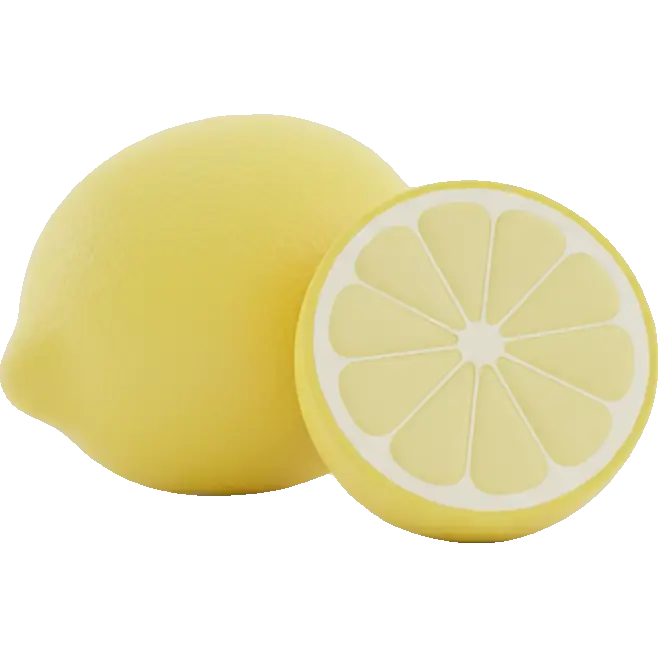
- Common liberators include citrus, strawberries, tomatoes, and chocolate
- Your tolerance may vary based on overall histamine load
- Keep a symptom diary to identify your personal triggers
- Consider your total 'histamine bucket' - liberators add to it
Sensitivities
What lemon balm contains
FODMAPs
Histamine & Amines
Plant compounds
Irritants
Additives
Allergens
Diet fit
Where lemon balm fits
Therapeutic diets
Lifestyle diets
Religious diets
What to know about lemon balm
Lemon balm (Melissa officinalis) smells and tastes of lemon but is not citrus at all. It is a mint-family herb, and the lemon character comes from aromatic oils in the leaf, chiefly citral and citronellal, rather than from any fruit acid or peel. That distinction is the useful part: our lemon and lime entries are both graded strong histamine liberators, while lemon balm is only a mild one. So if citrus reliably brings on flushing, itching or a headache, the lemony note here arrives by a different chemical route. It is clean on histamine content, FODMAPs, gluten, lactose, nickel, sulfites, tyramine and free glutamate, and it is the herb traditionally taken as an evening infusion for restlessness and poor sleep. Salicylate is the one grade worth reading properly.
Watch for
- Moderate salicylate is the single grade to pay attention to.Aromatic mint-family leaves carry salicylates, and a dried, steeped tea delivers considerably more per cup than a few fresh leaves torn into a dish
- Mild histamine liberator, well below the strong liberator grade our lemon and lime entries carry.Worth noting if you moved to lemon balm specifically to escape citrus
- Culinary use and supplement use are not the same exposure.Standardised extracts and capsules concentrate the herb far beyond what a cup of tea or a garnish delivers, and our grade describes the leaf, not a clinical dose
- Most bagged "lemon balm" teas are blends.Chamomile, lemongrass and licorice root are the usual companions, and they carry their own profiles: our chamomile tea entry grades high on FODMAPs and poor for SIBO, none of which is true of lemon balm alone
- Mild oxalate, which only matters at sustained daily intake rather than at the odd cup




Explore related in Herbs & Spices
Compare similar foods to build a personalized list of swaps that work for your system.

Histamine Liberators Guide
Everything you need to know about histamine liberators sensitivity and smart food choices.
Histamine liberators are foods that don't contain much histamine themselves but can trigger your body to release stored histamine. This can cause similar symptoms to high-histamine foods in sensitive individuals.
Sensitivity varies widely. What triggers one person may be fine for another. Track your reactions to find your personal threshold.
These foods are generally well-tolerated for Histamine Liberators sensitivity:
View all safe options







These foods have moderate levels and may be tolerated in small amounts:








These foods are high in histamine liberators and may trigger symptoms:
View full list





If you're sensitive to Histamine Liberators, consider these strategies:
- 1Avoid histamine liberators alongside high-histamine foods
- 2Common liberators include citrus, strawberries, tomatoes, and chocolate
- 3Your tolerance may vary based on overall histamine load
- 4Keep a symptom diary to identify your personal triggers
- 5Consider your total 'histamine bucket' - liberators add to it
Pro tip: Keep a food diary to track your reactions. The Triggerbites app makes this easy with automatic pattern detection.
Want personalized tracking?
Download Triggerbites to log meals, track symptoms, and discover your unique triggers.
Get the AppFAQ
Is lemon balm high in Histamine Liberators?
Histamine Liberators: moderate signal - portion size matters.
Can I still eat lemon balm if I'm sensitive to Histamine Liberators?
Try smaller portions and space it out.
What else should I check?
Check Salicylates, Low Salicylate, and Oxalates next for a fuller picture.