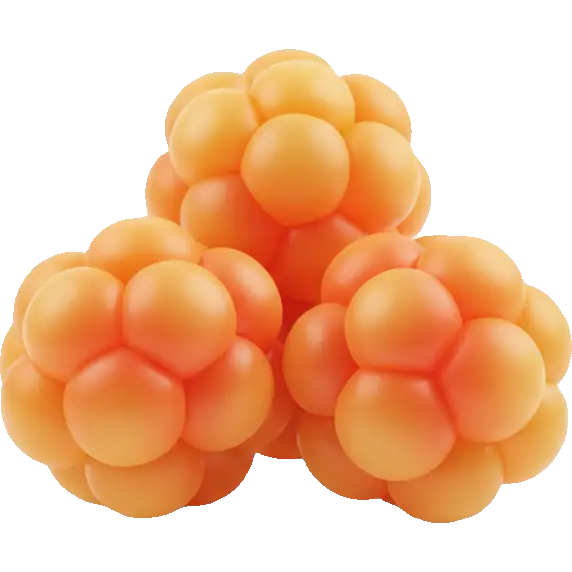
cloudberry
Fruit
Is cloudberry high in histamine liberators?
Is cloudberry high or low in histamine liberators? See its exact rating, how much counts as a portion, and its FODMAP, salicylate, oxalate and diet compatibility in one place.
Related checkers
Compare cloudberry across criteria
Sensitivity notes
Why histamine liberators food checker matters
Histamine liberators are foods that don't contain much histamine themselves but can trigger your body to release stored histamine. This can cause similar symptoms to high-histamine foods in sensitive individuals.
- Avoid histamine liberators alongside high-histamine foods
- Common liberators include citrus, strawberries, tomatoes, and chocolate
- Your tolerance may vary based on overall histamine load
- Keep a symptom diary to identify your personal triggers
- Consider your total 'histamine bucket' - liberators add to it
Sensitivities
What cloudberry contains
FODMAPs
Histamine & Amines
Plant compounds
Irritants
Additives
Allergens
Diet fit
Where cloudberry fits
Therapeutic diets
Lifestyle diets
Religious diets
What to know about cloudberry
Cloudberry is the amber arctic Rubus that grows one berry to a stem across Nordic bogs, sold as lakka, molte and, in Newfoundland, bakeapple. It carries a piece of chemistry that no other berry on this site does: cloudberry is naturally rich in benzoic acid, roughly 50 mg per 100 g, which is why untreated cloudberry preserves have historically kept in a cold cupboard for a year without spoiling. Benzoate is a compound most people meet as the preservative E211 in soft drinks and sauces, and it is one of the additives an RPAH style elimination diet asks you to drop. In cloudberry it is not added, it is the fruit. On the graded criteria cloudberry is moderate for salicylates, a mild histamine liberator, moderate for SIBO fermentation, and its FODMAP content is still unrated rather than proven low.
Watch for
- Naturally high in benzoic acid, at levels that preserve the fruit against its own spoilage organisms.If sodium benzoate in drinks or dressings reliably gives you hives, an itchy mouth or a flare, a food that carries the same compound naturally will not spare you just because no additive was declared on the label
- Graded moderate on salicylates.That puts it under blackberry but not into free food territory, and cloudberry also contains small amounts of salicylic and sorbic acid alongside the benzoic acid, so it is a genuinely acid dense berry
- Mild histamine liberator grade even though the berry itself is graded clean for histamine content.Worth logging separately if you get flushing or itch from foods that read as low histamine on paper
- FODMAP grades are unrated, not low.There is no established portion figure for cloudberry, so treat a first serving as a test rather than assuming it behaves like the blueberry it superficially resembles. It also grades moderate for low fermentation SIBO protocols
- Almost nobody eats cloudberry fresh outside the picking season.It reaches most people as jam, as the warm cloudberry sauce poured over Finnish bread cheese, or as a liqueur, and both the sugar and the concentration ride in with it


Explore related in Fruit
Compare similar foods to build a personalized list of swaps that work for your system.




Histamine Liberators Guide
Everything you need to know about histamine liberators sensitivity and smart food choices.
Histamine liberators are foods that don't contain much histamine themselves but can trigger your body to release stored histamine. This can cause similar symptoms to high-histamine foods in sensitive individuals.
Sensitivity varies widely. What triggers one person may be fine for another. Track your reactions to find your personal threshold.
These foods are generally well-tolerated for Histamine Liberators sensitivity:
View all safe options







These foods have moderate levels and may be tolerated in small amounts:






These foods are high in histamine liberators and may trigger symptoms:
View full list



If you're sensitive to Histamine Liberators, consider these strategies:
- 1Avoid histamine liberators alongside high-histamine foods
- 2Common liberators include citrus, strawberries, tomatoes, and chocolate
- 3Your tolerance may vary based on overall histamine load
- 4Keep a symptom diary to identify your personal triggers
- 5Consider your total 'histamine bucket' - liberators add to it
Pro tip: Keep a food diary to track your reactions. The Triggerbites app makes this easy with automatic pattern detection.
Want personalized tracking?
Download Triggerbites to log meals, track symptoms, and discover your unique triggers.
Get the AppFAQ
Is cloudberry high in Histamine Liberators?
Histamine Liberators: moderate signal - portion size matters.
Can I still eat cloudberry if I'm sensitive to Histamine Liberators?
Try smaller portions and space it out.
What else should I check?
Check Low Fibre, Gastroparesis Diet, and Low Fermentation next for a fuller picture.