 Back to Histamine Liberators food checker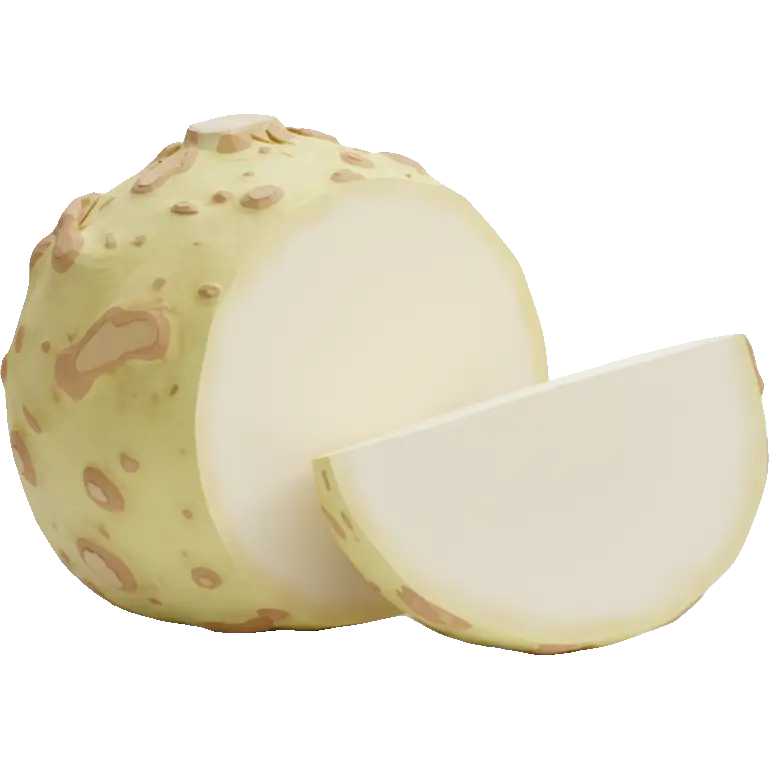
celeriac
Vegetables
Is celeriac high in histamine liberators?
Is celeriac high or low in histamine liberators? See its exact rating, how much counts as a portion, and its FODMAP, salicylate, oxalate and diet compatibility in one place.

Related checkers
Compare celeriac across criteria

Sensitivity notes
Why histamine liberators food checker matters
Histamine liberators are foods that don't contain much histamine themselves but can trigger your body to release stored histamine. This can cause similar symptoms to high-histamine foods in sensitive individuals.
- Avoid histamine liberators alongside high-histamine foods
- Common liberators include citrus, strawberries, tomatoes, and chocolate
- Your tolerance may vary based on overall histamine load
- Keep a symptom diary to identify your personal triggers
- Consider your total 'histamine bucket' - liberators add to it

Sensitivities
What celeriac contains
FODMAPs







Histamine & Amines



Plant compounds




Irritants




Additives



Allergens
















Diet fit
Where celeriac fits
Therapeutic diets










Lifestyle diets









Religious diets






What to know about celeriac
Celeriac, the knobbly root sold as celery root, is one of the quietest vegetables on the food chemistry panel: A for histamine, histamine liberation, salicylate, oxalate, nickel, glutamate, sulfite, tyramine, gluten and nightshade, with only a B for total FODMAPs and a B for polyols. That clean sheet is why it shows up so often as a substitute for harsher roots. It also carries one caution that outweighs every grade on this page: celery is one of the fourteen allergens that must be declared on food labels across the EU and UK, and celeriac specifically is a well documented cause of severe reactions, up to and including anaphylaxis. Our columns score food chemistry, not IgE allergy, so a true celery allergy is invisible in the grades above. If celery stalk, celery seed or celery salt causes you trouble, celeriac is not the gentler version of it.
Watch for
- Celery is a declarable allergen in the EU and UK and celeriac is one of its most reactive forms.Reported reactions run from oral itching and swelling through to anaphylaxis, so this is an allergy question rather than a sensitivity one.
- Cooking is not a reliable safeguard.Celery carries both heat labile and heat stable allergens, so cooked celeriac in a soup or a gratin has still caused reactions in people who are allergic.
- Birch and mugwort pollen allergy is the usual route in.In the birch, mugwort and celery pattern, cross reactive proteins mean pollen sensitised people react to celeriac, and mugwort sensitisation is associated with the more severe systemic reactions.
- Celery is one of the classic triggers for food dependent exercise induced anaphylaxis, where the food is tolerated at rest but provokes a reaction when eaten shortly before exercise.
- Gentler than its own stalk on the gut.Celeriac grades B for FODMAPs and B for polyols, while celery stalk grades D and E, so if celery bloats you rather than sets off your immune system, the root is the easier part of the plant in reasonable portions.




Explore related in Vegetables
Compare similar foods to build a personalized list of swaps that work for your system.




Histamine Liberators Guide
Everything you need to know about histamine liberators sensitivity and smart food choices.
Histamine liberators are foods that don't contain much histamine themselves but can trigger your body to release stored histamine. This can cause similar symptoms to high-histamine foods in sensitive individuals.
Sensitivity varies widely. What triggers one person may be fine for another. Track your reactions to find your personal threshold.

These foods are generally well-tolerated for Histamine Liberators sensitivity:
View all safe options







These foods have moderate levels and may be tolerated in small amounts:







These foods are high in histamine liberators and may trigger symptoms:
View full list




If you're sensitive to Histamine Liberators, consider these strategies:
- 1Avoid histamine liberators alongside high-histamine foods
- 2Common liberators include citrus, strawberries, tomatoes, and chocolate
- 3Your tolerance may vary based on overall histamine load
- 4Keep a symptom diary to identify your personal triggers
- 5Consider your total 'histamine bucket' - liberators add to it
Pro tip: Keep a food diary to track your reactions. The Triggerbites app makes this easy with automatic pattern detection.
Want personalized tracking?
Download Triggerbites to log meals, track symptoms, and discover your unique triggers.
Get the AppFAQ
Is celeriac high in Histamine Liberators?
Histamine Liberators: low signal for most people.
Can I still eat celeriac if I'm sensitive to Histamine Liberators?
Usually fine in normal portions.
What else should I check?
Check Celery, Jain, and Keto next for a fuller picture.