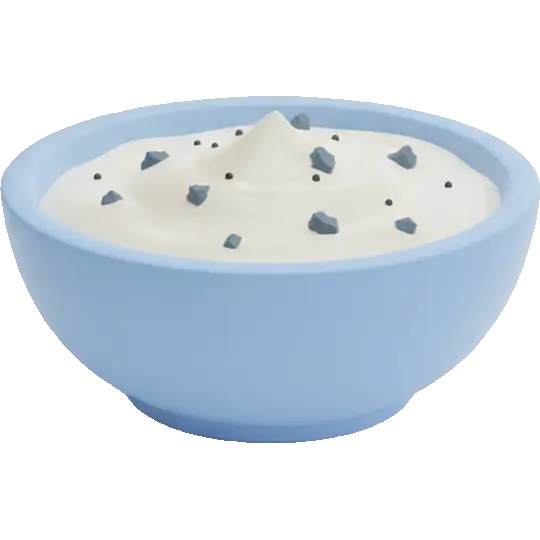
blue cheese dressing
Condiments & Sauces
Is blue cheese dressing high in histamine liberators?
Is blue cheese dressing high or low in histamine liberators? See its exact rating, how much counts as a portion, and its FODMAP, salicylate, oxalate and diet compatibility in one place.
Related checkers
Compare blue cheese dressing across criteria
Sensitivity notes
Why histamine liberators food checker matters
Histamine liberators are foods that don't contain much histamine themselves but can trigger your body to release stored histamine. This can cause similar symptoms to high-histamine foods in sensitive individuals.
- Avoid histamine liberators alongside high-histamine foods
- Common liberators include citrus, strawberries, tomatoes, and chocolate
- Your tolerance may vary based on overall histamine load
- Keep a symptom diary to identify your personal triggers
- Consider your total 'histamine bucket' - liberators add to it
Sensitivities
What blue cheese dressing contains
FODMAPs
Histamine & Amines
Plant compounds
Irritants
Additives
Allergens
Diet fit
Where blue cheese dressing fits
Therapeutic diets
Lifestyle diets
Religious diets
What to know about blue cheese dressing
Blue cheese dressing pairs one of the highest-histamine cheeses with a buttermilk-and-mayo base, so it keeps the blue cheese triggers and adds a few of its own. It is high in histamine (grade D) and high in dairy protein (grade D) from the cheese and buttermilk, with moderate tyramine, salicylates and FODMAPs from the additives and stabilizers. If a wedge of blue cheese sets you off, the dressing usually will too, and the creamy base can make the dairy load worse.
Watch for
- High in histamine from the aged blue cheese, a frequent trigger for flushing, headache or a stuffy nose
- High in dairy protein from the cheese, buttermilk and mayonnaise, so it is a problem for casein or whey sensitivity
- Moderate tyramine and sulfites, worth watching if you are migraine-prone or taking an MAOI
- The buttermilk and mayo base adds moderate lactose and FODMAPs on top of the cheese


Explore related in Condiments & Sauces
Compare similar foods to build a personalized list of swaps that work for your system.



Histamine Liberators Guide
Everything you need to know about histamine liberators sensitivity and smart food choices.
Histamine liberators are foods that don't contain much histamine themselves but can trigger your body to release stored histamine. This can cause similar symptoms to high-histamine foods in sensitive individuals.
Sensitivity varies widely. What triggers one person may be fine for another. Track your reactions to find your personal threshold.
These foods are generally well-tolerated for Histamine Liberators sensitivity:
View all safe options







These foods have moderate levels and may be tolerated in small amounts:






These foods are high in histamine liberators and may trigger symptoms:
View full list




If you're sensitive to Histamine Liberators, consider these strategies:
- 1Avoid histamine liberators alongside high-histamine foods
- 2Common liberators include citrus, strawberries, tomatoes, and chocolate
- 3Your tolerance may vary based on overall histamine load
- 4Keep a symptom diary to identify your personal triggers
- 5Consider your total 'histamine bucket' - liberators add to it
Pro tip: Keep a food diary to track your reactions. The Triggerbites app makes this easy with automatic pattern detection.
Want personalized tracking?
Download Triggerbites to log meals, track symptoms, and discover your unique triggers.
Get the AppFAQ
Is blue cheese dressing high in Histamine Liberators?
Histamine Liberators: low signal for most people.
Can I still eat blue cheese dressing if I'm sensitive to Histamine Liberators?
Usually fine in normal portions.
What else should I check?
Check Vegan, AIP, and EoE Compatible next for a fuller picture.