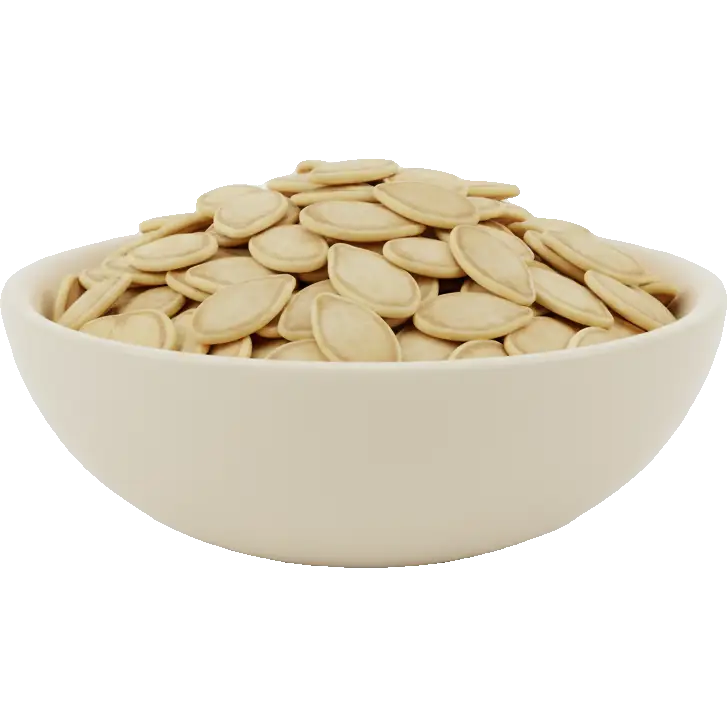
butternut seeds
Nuts & Seeds
Is butternut seeds high in histamine?
Is butternut seeds high or low in histamine? See its exact rating, how much counts as a portion, and its FODMAP, salicylate, oxalate and diet compatibility in one place.
Related checkers
Compare butternut seeds across criteria
Sensitivity notes
Why histamine food checker matters
Histamine is a compound naturally present in many foods, especially aged, fermented, or preserved items. In sensitive individuals, excess histamine can cause headaches, flushing, hives, digestive issues, and other symptoms. Your body normally breaks down histamine, but some people have reduced capacity to do so.
- Focus on fresh foods - histamine builds up as food ages
- Cook and eat meals fresh; avoid leftovers sitting more than 24 hours
- Be cautious with fermented foods, aged cheeses, and cured meats
- Consider that stress and hormones can affect your histamine tolerance
- Some antihistamines or DAO supplements may help (consult your doctor)
Sensitivities
What butternut seeds contains
FODMAPs
Histamine & Amines
Plant compounds
Irritants
Additives
Allergens
Diet fit
Where butternut seeds fits
Therapeutic diets
Lifestyle diets
Religious diets
What to know about butternut seeds
The seeds you scoop out of a butternut squash and roast are one of the calmer things in the seed aisle. Butternut seeds are graded clean on histamine, histamine liberation, tyramine, gluten, lactose, dairy protein, nightshades, sulfites and glutamates, and they sit at A for anti-inflammatory, DASH and Mediterranean fit. Everything the data does flag is borderline B rather than high: fructans, salicylates, oxalate and lectins. So the question for butternut seeds is almost never chemistry, it is how many you ate and what you tossed them in.
Watch for
- Portion is the whole story.Around two tablespoons behaves as a low FODMAP scattering, the same benchmark used for pumpkin seeds. Fructans are graded B, so it is the handful eaten straight off the tray that reaches a sensitive gut.
- The seasoning outranks the seed.Home-roasted squash seeds nearly always get garlic powder or onion powder, both concentrated fructans. If roasted seeds bother you and plain ones do not, that is your answer.
- Oxalate and salicylate are graded borderline, not high.Worth a note only if you are stacking several seeds and nuts a day on a strict low-oxalate protocol.
- They are milder than the squash they came from.Butternut squash flesh is graded high on FODMAPs with polyols in play, while the seeds are only borderline, so the two are not interchangeable in your journal.
Explore related in Nuts & Seeds
Compare similar foods to build a personalized list of swaps that work for your system.
Histamine Guide
Everything you need to know about histamine sensitivity and smart food choices.
Histamine is a compound naturally present in many foods, especially aged, fermented, or preserved items. In sensitive individuals, excess histamine can cause headaches, flushing, hives, digestive issues, and other symptoms. Your body normally breaks down histamine, but some people have reduced capacity to do so.
Sensitivity varies widely. What triggers one person may be fine for another. Track your reactions to find your personal threshold.
These foods are generally well-tolerated for Histamine sensitivity:
View all safe options







These foods have moderate levels and may be tolerated in small amounts:






These foods are high in histamine and may trigger symptoms:
View full list





If you're sensitive to Histamine, consider these strategies:
- 1Focus on fresh foods - histamine builds up as food ages
- 2Cook and eat meals fresh; avoid leftovers sitting more than 24 hours
- 3Be cautious with fermented foods, aged cheeses, and cured meats
- 4Consider that stress and hormones can affect your histamine tolerance
- 5Some antihistamines or DAO supplements may help (consult your doctor)
Pro tip: Keep a food diary to track your reactions. The Triggerbites app makes this easy with automatic pattern detection.
Want personalized tracking?
Download Triggerbites to log meals, track symptoms, and discover your unique triggers.
Get the AppFAQ
Is butternut seeds high in Histamine?
Histamine: low signal for most people.
Can I still eat butternut seeds if I'm sensitive to Histamine?
Usually fine in normal portions.
What else should I check?
Check AIP, Low Fibre, and Gastroparesis Diet next for a fuller picture.