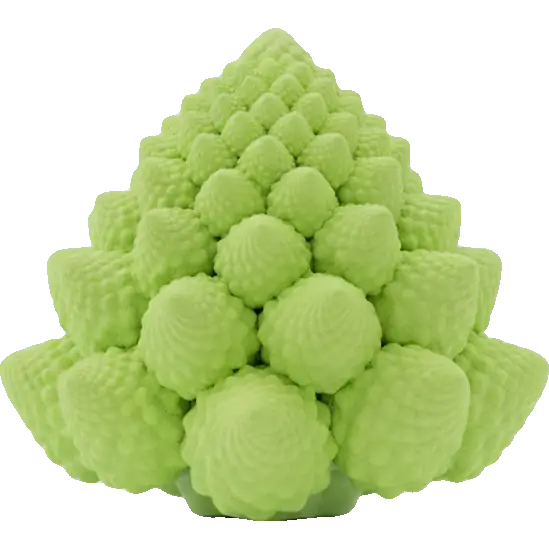
romanesco
Vegetables
Is romanesco high in gos?
Is romanesco high or low in gos? See its exact rating, how much counts as a portion, and its FODMAP, salicylate, oxalate and diet compatibility in one place.
Related checkers
Compare romanesco across criteria
Sensitivity notes
Why gos food checker matters
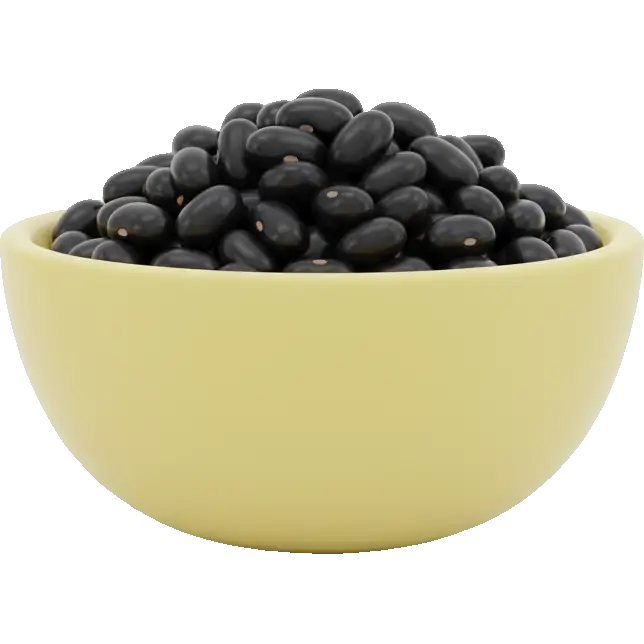
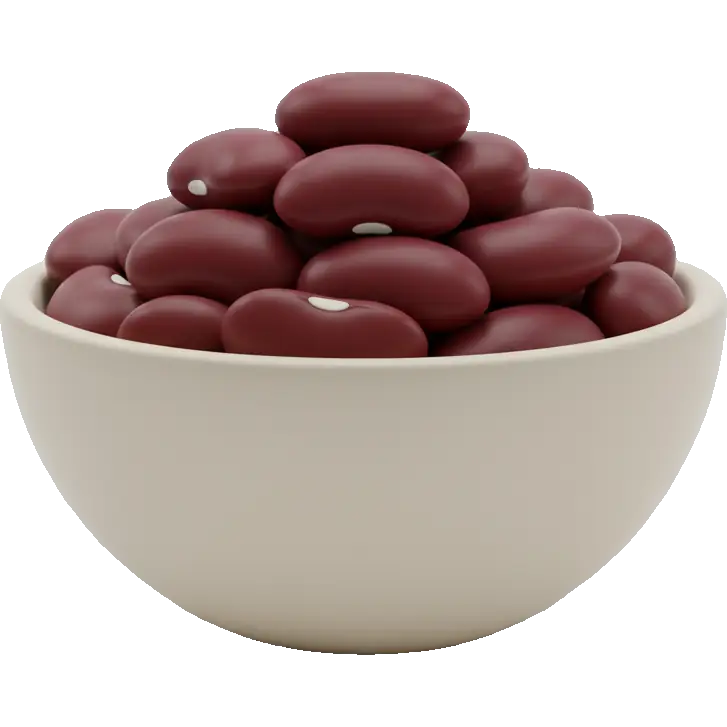
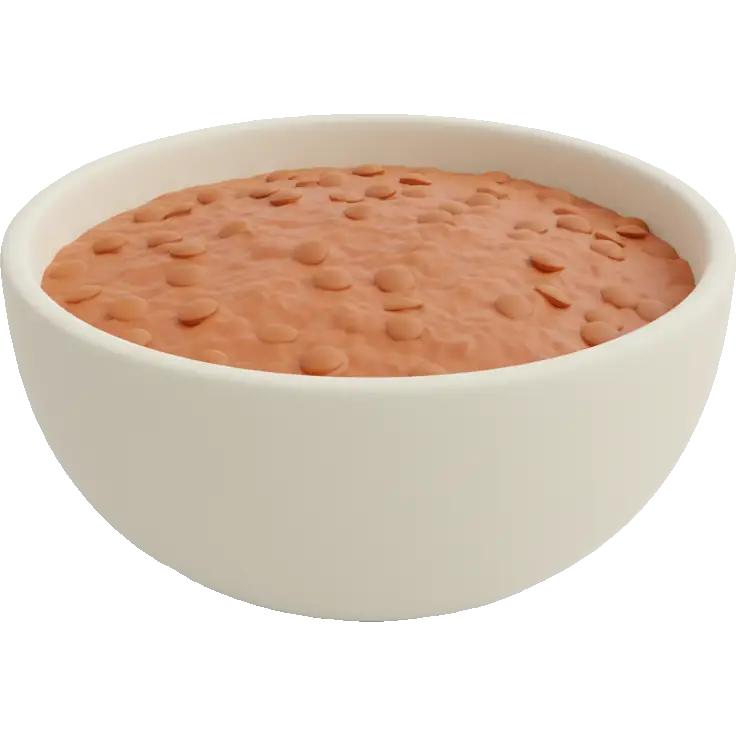
Galacto-oligosaccharides (GOS) are carbohydrates found mainly in legumes and some vegetables. They're a FODMAP that can ferment in the gut, causing bloating and discomfort in sensitive people.
- Canned and rinsed legumes are lower in GOS than dried
- Start with smaller portions and build up tolerance
- Some people find beano-type enzymes helpful
- Firm tofu is lower in GOS than silken tofu
- Sprouted legumes may be better tolerated
Sensitivities
What romanesco contains
FODMAPs
Histamine & Amines
Plant compounds
Irritants
Additives
Allergens
Diet fit
Where romanesco fits
Therapeutic diets
Lifestyle diets
Religious diets
What to know about romanesco
Romanesco is the lime-green brassica with the fractal spiral head, and despite being sold as romanesco broccoli it is botanically a cauliflower: Brassica oleracea from the same botrytis group, with the curd arranged in self-similar cones instead of a dome. The question people arrive with is whether it therefore carries cauliflower's mannitol problem, and on our grades it carries a diluted version of it. Cauliflower grades high FODMAP, high polyol and poor for a low-fermentation SIBO approach. Romanesco lands one band milder on all three: moderate on total FODMAPs, moderate on polyols, moderate on fructans, moderate on fermentability. It also sits well below both of its famous relatives on salicylate, where cauliflower and broccoli are each graded high and romanesco is only mild, and far below broccoli on free glutamate. The practical read is a middle vegetable. It is gentler than cauliflower on the polyol that drives the bloating, gentler than broccoli on the chemistry that drives the salicylate and umami reactions, and still a brassica that will ferment if you eat a whole head in one sitting.
Watch for
- Moderate on polyols where cauliflower is graded high.Same compound family, smaller load, so a normal side portion often clears the threshold that a bowl of cauliflower rice would blow straight through
- Moderate on fructans as well, which is the broccoli side of its parentage.Total FODMAP load is the two subgroups stacked together, which makes romanesco a portion vegetable rather than an unlimited one
- Moderate rather than poor on a low-fermentation SIBO plan, so it belongs in the test-it band instead of the avoid list where cauliflower and broccoli both sit.Roasting does not reduce the fermentable fraction, only the volume you can comfortably eat
- Only mild on salicylates, which is unusual for this family and the single most useful thing on the page.If cauliflower and broccoli give you the salicylate pattern of headache, flushing or itch rather than gas, romanesco is the brassica worth retesting
- Moderate nickel and moderate free glutamate, both dose-dependent and only worth logging if you already track systemic nickel allergy syndrome or glutamate reactions



Explore related in Vegetables
Compare similar foods to build a personalized list of swaps that work for your system.



GOS Guide
Everything you need to know about gos sensitivity and smart food choices.
Galacto-oligosaccharides (GOS) are carbohydrates found mainly in legumes and some vegetables. They're a FODMAP that can ferment in the gut, causing bloating and discomfort in sensitive people.
Sensitivity varies widely. What triggers one person may be fine for another. Track your reactions to find your personal threshold.
These foods are generally well-tolerated for GOS sensitivity:
View all safe options






These foods have moderate levels and may be tolerated in small amounts:







These foods are high in gos and may trigger symptoms:
View full list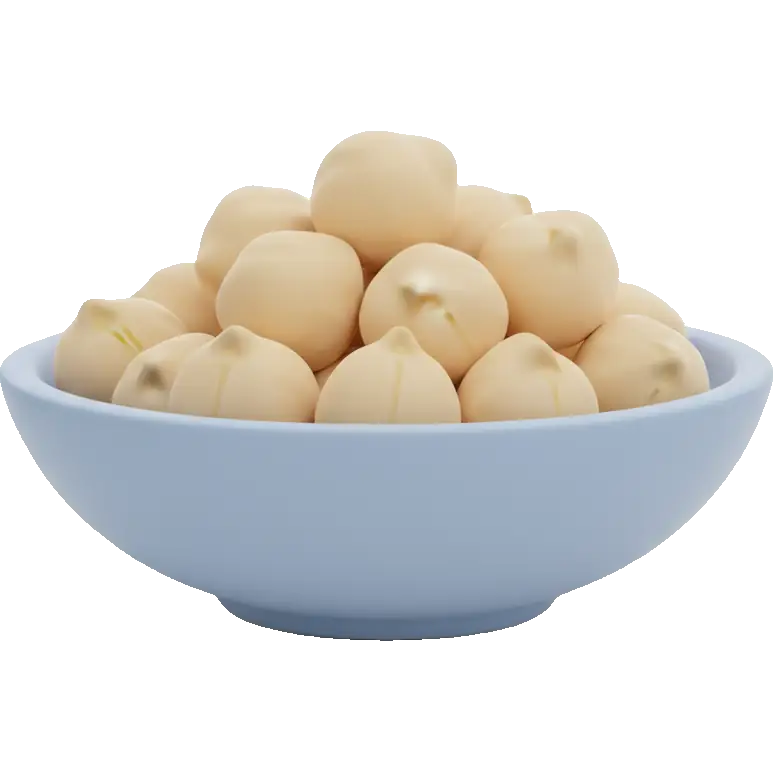




If you're sensitive to GOS, consider these strategies:
- 1Canned and rinsed legumes are lower in GOS than dried
- 2Start with smaller portions and build up tolerance
- 3Some people find beano-type enzymes helpful
- 4Firm tofu is lower in GOS than silken tofu
- 5Sprouted legumes may be better tolerated
Pro tip: Keep a food diary to track your reactions. The Triggerbites app makes this easy with automatic pattern detection.
Want personalized tracking?
Download Triggerbites to log meals, track symptoms, and discover your unique triggers.
Get the AppFAQ
Is romanesco high in GOS?
GOS: moderate signal - portion size matters.
Can I still eat romanesco if I'm sensitive to GOS?
Try smaller portions and space it out.
What else should I check?
Check FODMAPs, Fructans, and Polyols next for a fuller picture.