 Back to GOS food checker
pea shoots
Vegetables
Is pea shoots high in gos?
Is pea shoots high or low in gos? See its exact rating, how much counts as a portion, and its FODMAP, salicylate, oxalate and diet compatibility in one place.

Related checkers
Compare pea shoots across criteria

Sensitivity notes
Why gos food checker matters
Galacto-oligosaccharides (GOS) are carbohydrates found mainly in legumes and some vegetables. They're a FODMAP that can ferment in the gut, causing bloating and discomfort in sensitive people.
- Canned and rinsed legumes are lower in GOS than dried
- Start with smaller portions and build up tolerance
- Some people find beano-type enzymes helpful
- Firm tofu is lower in GOS than silken tofu
- Sprouted legumes may be better tolerated

Sensitivities
What pea shoots contains
FODMAPs







Histamine & Amines



Plant compounds



Irritants



Additives


Allergens













Diet fit
Where pea shoots fits
Therapeutic diets









Lifestyle diets








Religious diets





What to know about pea shoots
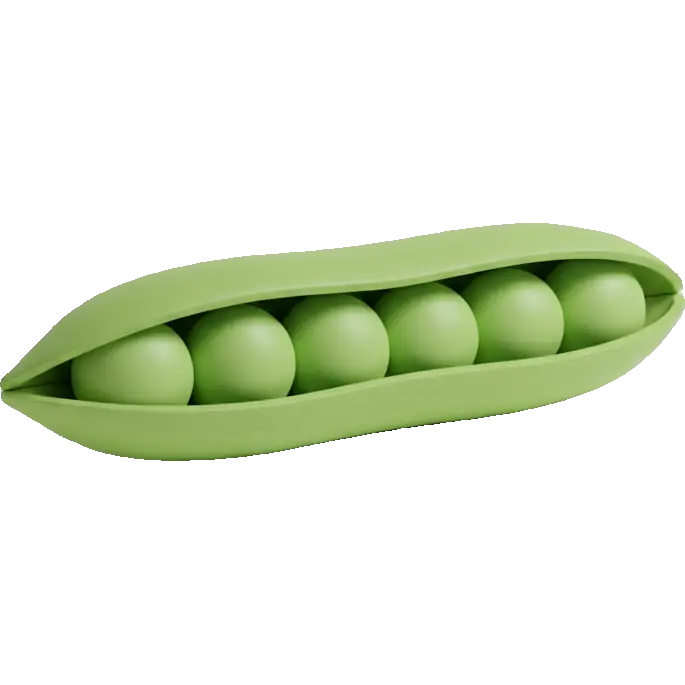
Pea shoots are the tender tips, curling tendrils and young leaves of the garden pea, and the question worth answering about them is whether the pea brings its baggage along. It does not. Green peas grade high for FODMAPs and high for galacto-oligosaccharides, the family of sugars that makes legumes hard work, but those oligosaccharides accumulate in the maturing seed as a storage reserve. The growing shoot never builds them. Pea shoots come out clean on every trigger we grade, including FODMAPs, GOS, histamine, histamine liberation, salicylate, oxalate, nickel, glutamate, sulfite, gluten and nightshade. That combination is rare enough that they are one of the leaves worth keeping in rotation when everything else is on trial.
Watch for
- A clean FODMAP grade is not the same as an allergy pass.The shoot is still Pisum sativum, so anyone with a true IgE pea allergy is reacting to pea protein and the leaf is the same plant
- What is sold as snow pea shoots is a different entry with a heavier profile, so check whether you bought bare tendrils or shoots with immature pods still attached
- Restaurant pea shoots are almost always stir fried hard with garlic, and often finished with oyster sauce or a stock base, which is where any fructan or free glutamate load in the dish comes from
- They are picked young and wilt within a couple of days, so they turn slimy fast in a warm fridge drawer and are worth using the day you buy them




Explore related in Vegetables
Compare similar foods to build a personalized list of swaps that work for your system.



GOS Guide
Everything you need to know about gos sensitivity and smart food choices.
Galacto-oligosaccharides (GOS) are carbohydrates found mainly in legumes and some vegetables. They're a FODMAP that can ferment in the gut, causing bloating and discomfort in sensitive people.
Sensitivity varies widely. What triggers one person may be fine for another. Track your reactions to find your personal threshold.

These foods are generally well-tolerated for GOS sensitivity:
View all safe options







These foods have moderate levels and may be tolerated in small amounts:





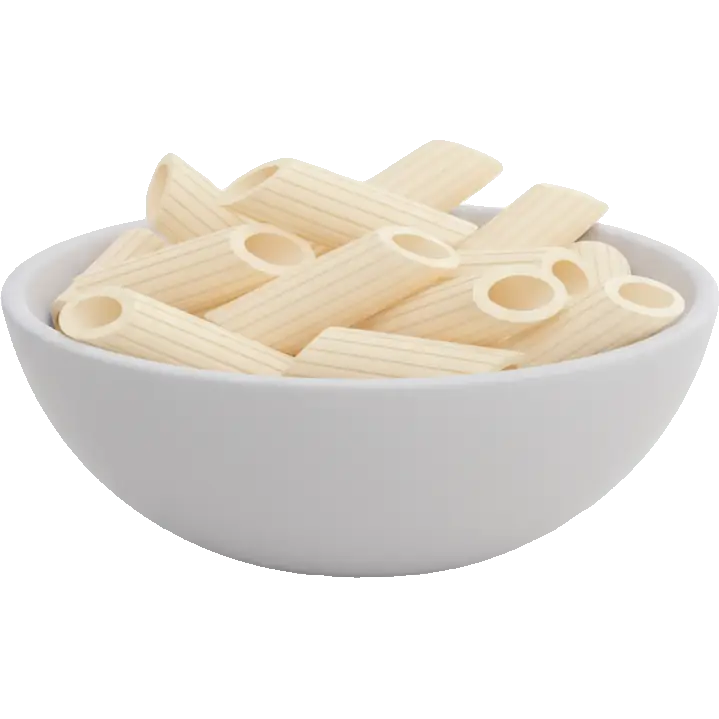
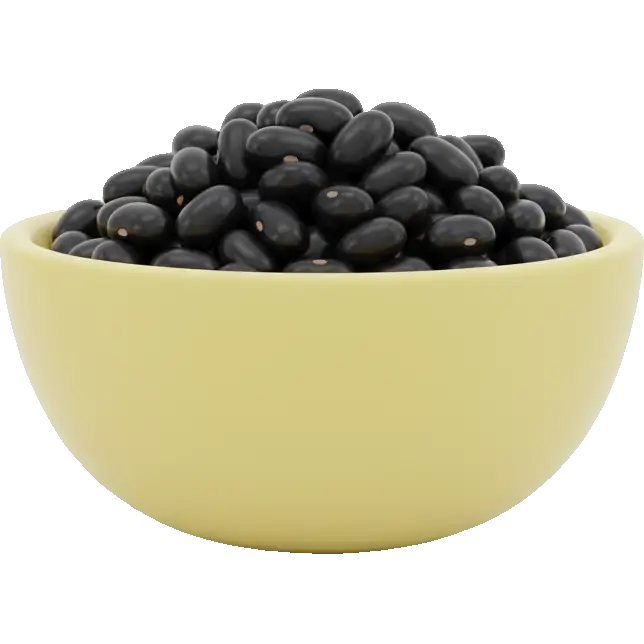
These foods are high in gos and may trigger symptoms:
View full list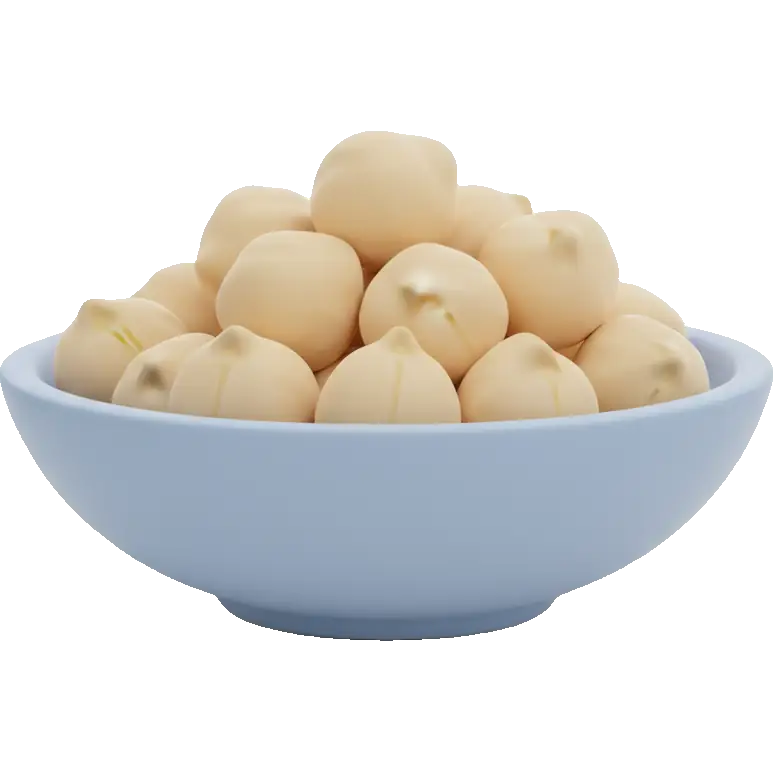

If you're sensitive to GOS, consider these strategies:
- 1Canned and rinsed legumes are lower in GOS than dried
- 2Start with smaller portions and build up tolerance
- 3Some people find beano-type enzymes helpful
- 4Firm tofu is lower in GOS than silken tofu
- 5Sprouted legumes may be better tolerated
Pro tip: Keep a food diary to track your reactions. The Triggerbites app makes this easy with automatic pattern detection.
Want personalized tracking?
Download Triggerbites to log meals, track symptoms, and discover your unique triggers.
Get the AppFAQ
Is pea shoots high in GOS?
GOS: low signal for most people.
Can I still eat pea shoots if I'm sensitive to GOS?
Usually fine in normal portions.
What else should I check?
Check Gastroparesis Diet, AIP, and Low Fibre next for a fuller picture.