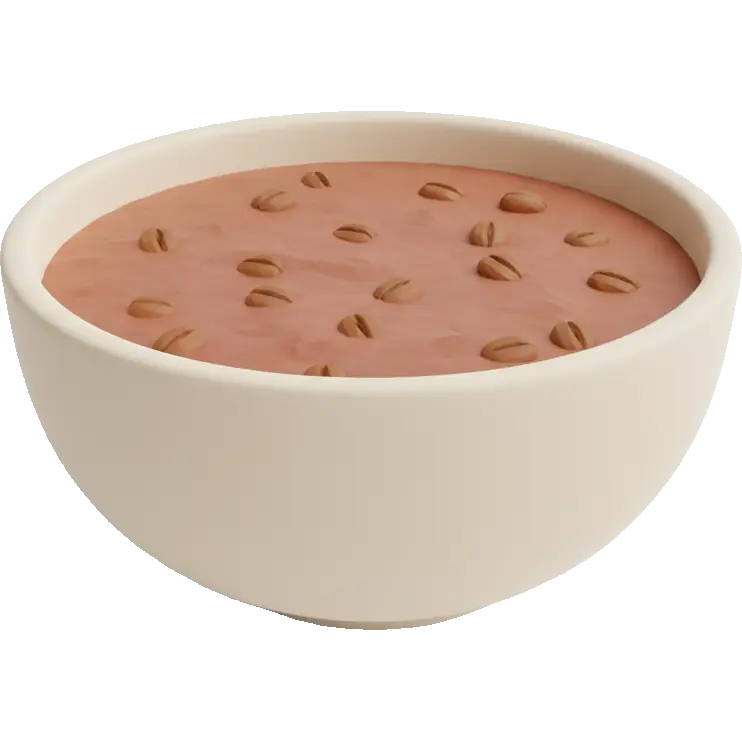
horse gram
Legumes/Pulses
Is horse gram high in gos?
Is horse gram high or low in gos? See its exact rating, how much counts as a portion, and its FODMAP, salicylate, oxalate and diet compatibility in one place.
Related checkers
Compare horse gram across criteria
Sensitivity notes
Why gos food checker matters
Galacto-oligosaccharides (GOS) are carbohydrates found mainly in legumes and some vegetables. They're a FODMAP that can ferment in the gut, causing bloating and discomfort in sensitive people.
- Canned and rinsed legumes are lower in GOS than dried
- Start with smaller portions and build up tolerance
- Some people find beano-type enzymes helpful
- Firm tofu is lower in GOS than silken tofu
- Sprouted legumes may be better tolerated
Sensitivities
What horse gram contains
FODMAPs
Histamine & Amines
Plant compounds
Irritants
Additives
Allergens
Diet fit
Where horse gram fits
Therapeutic diets
Lifestyle diets
Religious diets
What to know about horse gram
Horse gram is the small, hard, russet pulse of South Indian and Deccan cooking, and Ayurveda has used it for centuries as kulattha for urinary stones. That reputation is worth holding up against the actual grades, because the food is not as gentle as its medicinal reputation suggests. Oxalate lands at C, moderate rather than low, so it is not an oxalate-free food for a calcium oxalate stone former. What is genuinely high is the fermentable load: galacto-oligosaccharides grade E, total FODMAPs grade E and SIBO fermentation grades E, which is the ordinary reason a bowl of kollu rasam or huralikaalu saaru is followed by hours of gas. Nickel grades D. It is clean on gluten, lactose, dairy protein, histamine, salicylates, sulfites and nightshades.
Watch for
- Galacto-oligosaccharides grade E, so this is one of the gassier pulses even by legume standards, and the traditional whole-seed preparations keep every bit of that intact
- Oxalate grades C.The Ayurvedic stone reputation rests on diuretic and anti-crystallisation effects studied mostly in test tubes and animals, not on the pulse being low in oxalate, so if you form stones, log it rather than assuming it is protective
- Total FODMAPs grade E and SIBO fermentation grades E, which makes horse gram a poor fit during an elimination phase or an active SIBO course whatever form it is eaten in
- Nickel grades D, relevant if you are managing systemic nickel allergy and already limiting pulses
- The seed coat is famously hard, so it is often eaten whole after a long soak or as a sprouted salad.Sprouting knocks back some of the raffinose-family sugars but does not turn an E grade into a low-FODMAP food



Explore related in Legumes/Pulses
Compare similar foods to build a personalized list of swaps that work for your system.
GOS Guide
Everything you need to know about gos sensitivity and smart food choices.
Galacto-oligosaccharides (GOS) are carbohydrates found mainly in legumes and some vegetables. They're a FODMAP that can ferment in the gut, causing bloating and discomfort in sensitive people.
Sensitivity varies widely. What triggers one person may be fine for another. Track your reactions to find your personal threshold.
These foods are generally well-tolerated for GOS sensitivity:
View all safe options






These foods have moderate levels and may be tolerated in small amounts:



These foods are high in gos and may trigger symptoms:
View full list
If you're sensitive to GOS, consider these strategies:
- 1Canned and rinsed legumes are lower in GOS than dried
- 2Start with smaller portions and build up tolerance
- 3Some people find beano-type enzymes helpful
- 4Firm tofu is lower in GOS than silken tofu
- 5Sprouted legumes may be better tolerated
Pro tip: Keep a food diary to track your reactions. The Triggerbites app makes this easy with automatic pattern detection.
Want personalized tracking?
Download Triggerbites to log meals, track symptoms, and discover your unique triggers.
Get the AppFAQ
Is horse gram high in GOS?
GOS: higher signal - consider smaller servings or swaps.
Can I still eat horse gram if I'm sensitive to GOS?
Best to avoid or test carefully with a small amount.
What else should I check?
Check FODMAPs, Lectin, and Low Fermentation next for a fuller picture.