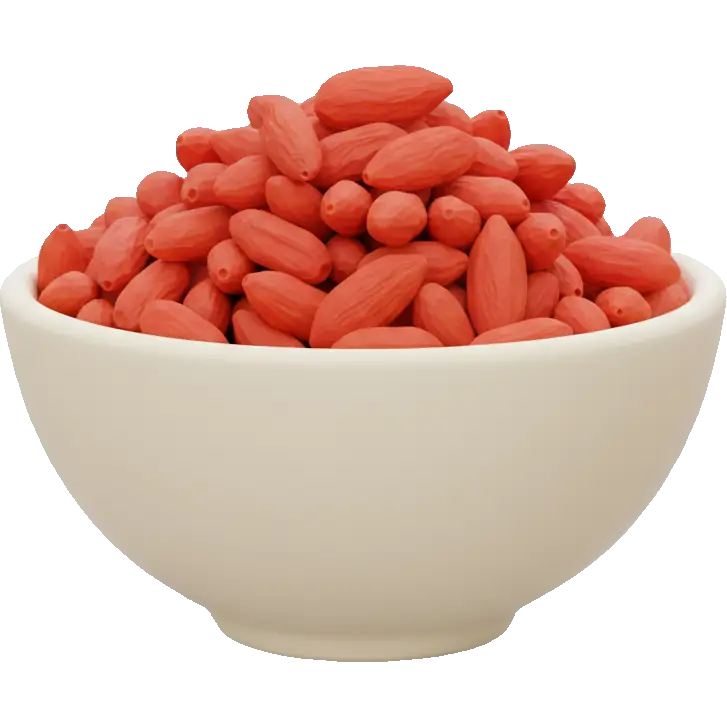
goji berry
Fruit
Is goji berry high in gos?
Is goji berry high or low in gos? See its exact rating, how much counts as a portion, and its FODMAP, salicylate, oxalate and diet compatibility in one place.
Related checkers
Compare goji berry across criteria
Sensitivity notes
Why gos food checker matters
Galacto-oligosaccharides (GOS) are carbohydrates found mainly in legumes and some vegetables. They're a FODMAP that can ferment in the gut, causing bloating and discomfort in sensitive people.
- Canned and rinsed legumes are lower in GOS than dried
- Start with smaller portions and build up tolerance
- Some people find beano-type enzymes helpful
- Firm tofu is lower in GOS than silken tofu
- Sprouted legumes may be better tolerated
Sensitivities
What goji berry contains
FODMAPs
Histamine & Amines
Plant compounds
Irritants
Additives
Allergens
Diet fit
Where goji berry fits
Therapeutic diets
Lifestyle diets
Religious diets
What to know about goji berry
Goji berries are marketed as a clean superfood, but they are one of the more trigger-dense foods in this database. Goji is a nightshade, a Lycium species in the Solanaceae family alongside tomato, pepper and eggplant, and it grades at the top of the nightshade scale here, which makes it a frequent blind spot for people otherwise avoiding nightshades. It also grades high FODMAP with excess fructose, high in salicylates, high in lectins and high for sulfites in the dried form, with moderate ratings for histamine, histamine liberation and nickel. Separately from any of that, goji has a documented interaction with the blood thinner warfarin.
Watch for
- Goji is a nightshade (Lycium barbarum, Solanaceae) and grades at the high end for it, yet it is almost never labelled as one, so it slips into smoothies and trail mixes during nightshade eliminations
- Published case reports describe a probable interaction with warfarin, with raised INR and bleeding after goji juice, tea or wine.If you take warfarin, raise goji with your prescriber before adding it, and do not treat it as an ordinary berry
- Dried goji grades high for sulfites, which are commonly used to hold the red colour in dried fruit.That is a separate trigger from the berry itself and it hits sulfite-sensitive people and asthmatics first
- High FODMAP with excess fructose and moderate polyols, because drying concentrates the sugars: a small handful carries the load of a much larger amount of fresh fruit
- High in salicylates and high in lectins, with histamine, histamine liberation and nickel all in the moderate band, so it stacks with other foods rather than acting alone




Explore related in Fruit
Compare similar foods to build a personalized list of swaps that work for your system.
GOS Guide
Everything you need to know about gos sensitivity and smart food choices.
Galacto-oligosaccharides (GOS) are carbohydrates found mainly in legumes and some vegetables. They're a FODMAP that can ferment in the gut, causing bloating and discomfort in sensitive people.
Sensitivity varies widely. What triggers one person may be fine for another. Track your reactions to find your personal threshold.
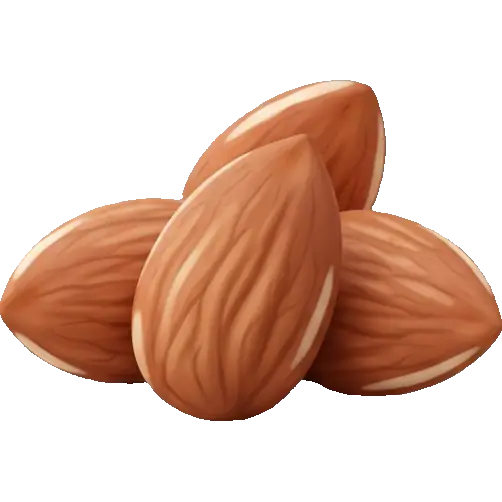
These foods are generally well-tolerated for GOS sensitivity:
View all safe options







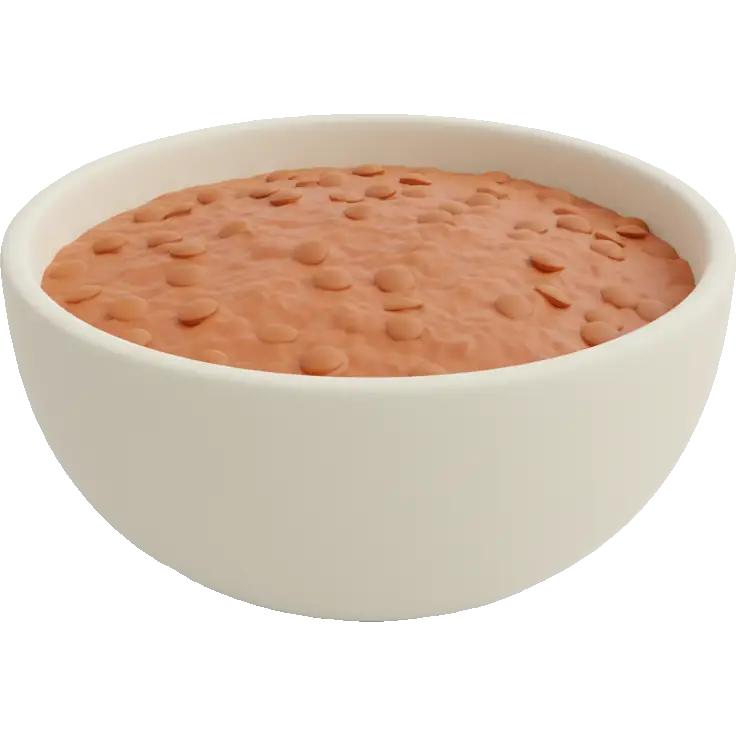
These foods have moderate levels and may be tolerated in small amounts:






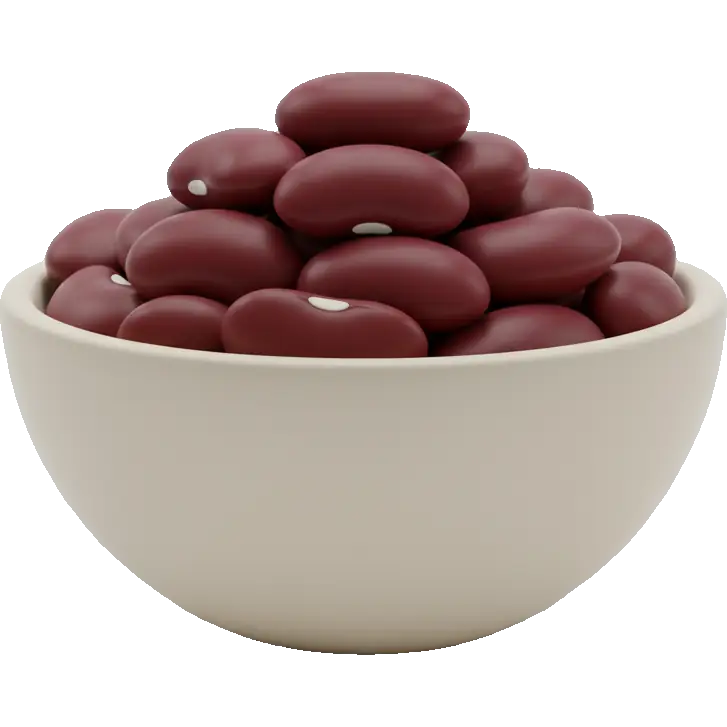
These foods are high in gos and may trigger symptoms:
View full list

If you're sensitive to GOS, consider these strategies:
- 1Canned and rinsed legumes are lower in GOS than dried
- 2Start with smaller portions and build up tolerance
- 3Some people find beano-type enzymes helpful
- 4Firm tofu is lower in GOS than silken tofu
- 5Sprouted legumes may be better tolerated
Pro tip: Keep a food diary to track your reactions. The Triggerbites app makes this easy with automatic pattern detection.
Want personalized tracking?
Download Triggerbites to log meals, track symptoms, and discover your unique triggers.
Get the AppFAQ
Is goji berry high in GOS?
GOS: low signal for most people.
Can I still eat goji berry if I'm sensitive to GOS?
Usually fine in normal portions.
What else should I check?
Check Nightshades, Lectin, and AIP next for a fuller picture.