 Back to Gluten food checker
rutabaga root
Vegetables
Is rutabaga root high in gluten?
Is rutabaga root high or low in gluten? See its exact rating, how much counts as a portion, and its FODMAP, salicylate, oxalate and diet compatibility in one place.

Related checkers
Compare rutabaga root across criteria

Sensitivity notes
Why gluten food checker matters
Gluten is a protein found in wheat, barley, rye, and their derivatives. People with celiac disease, gluten sensitivity, or wheat allergy need to avoid gluten to prevent digestive and systemic symptoms.
- Learn to read labels carefully - gluten hides in many products
- Be aware of cross-contamination in shared kitchens and restaurants
- Look for certified gluten-free products for safety
- Oats are naturally gluten-free but often cross-contaminated
- Give your gut time to heal - improvement may take months

Sensitivities
What rutabaga root contains
FODMAPs







Histamine & Amines



Plant compounds




Irritants




Additives



Allergens
















Diet fit
Where rutabaga root fits
Therapeutic diets










Lifestyle diets









Religious diets






What to know about rutabaga root
Rutabaga root is the peeled yellow flesh of the swede, and it grades as one of the quieter starch replacements available: A for total FODMAPs, A for polyols, GOS and excess fructose, A for gluten, lactose, dairy protein, nightshade, histamine content, sulfites, nitrites, caffeine and tyramine. Nothing on the panel is flagged high. What it does carry is a cluster of mild marks that all behave the same way, which is to say they scale with how much of it you eat: a moderate fructan grade, mild salicylate, mild oxalate, mild nickel, mild free glutamate and mild fermentability. That matters more than it used to, because rutabaga root has stopped being a spoonful next to a roast. It is now cut into fries, spiralised into noodles and mashed as the base of the plate on low-carb and low-FODMAP menus, and a vegetable that is comfortable at 100 g is a different proposition at 400 g. The other thing worth separating is root from leaf. The alarming oxalate figures attached to brassicas in the literature belong to the greens, and the peeled root is a small fraction of that.
Watch for
- Graded A on total FODMAPs, polyols, GOS and excess fructose, with only fructans at a moderate mark.That is why swede survives as a potato stand-in on low FODMAP plans, and it means the failure mode is total volume rather than one specific sugar
- Portion escalation is the actual risk on this vegetable.A tray of rutabaga fries or a full bowl of rutabaga noodles is several times a side serving, and a moderate fructan grade stops being moderate at that multiple
- Root and leaf are not the same food.The high oxalate readings quoted for brassicas come from the greens; the peeled root grades mild, so a low-oxalate plan does not need to exclude it, and boiling in generous water and draining lowers the soluble fraction further
- Mild salicylate, mild nickel and mild free glutamate.None of the three is a reason to avoid it, and all three are worth a diary line if rutabaga has become a several-times-a-week staple rather than a winter side
- Graded a mild histamine liberator rather than a histamine-containing food.If swede shows up alongside flushing in your diary, look first at what it was cooked in, since it is almost always mashed with butter and cream or served under a roast
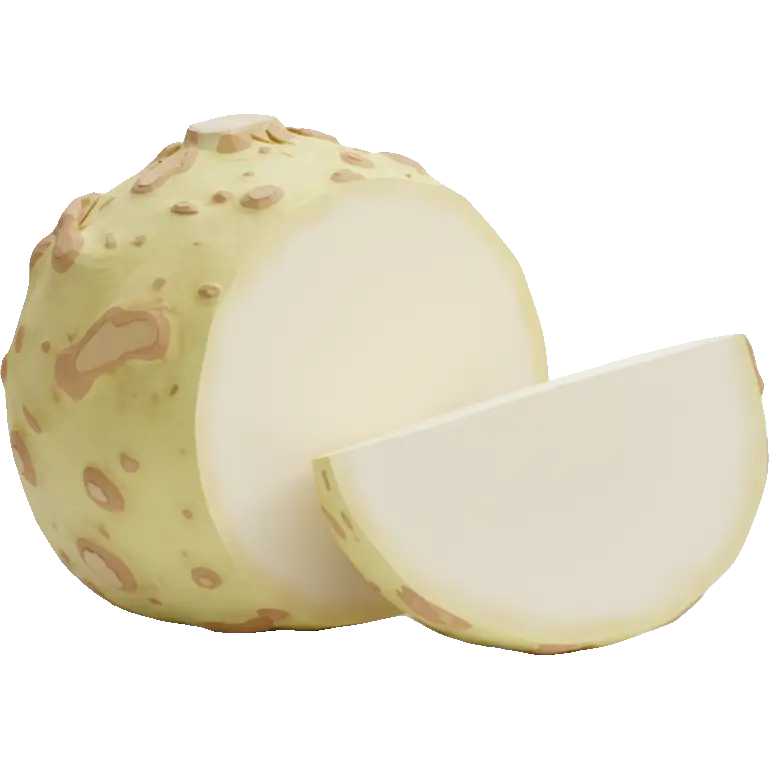




Explore related in Vegetables
Compare similar foods to build a personalized list of swaps that work for your system.




Gluten Guide
Everything you need to know about gluten sensitivity and smart food choices.
Gluten is a protein found in wheat, barley, rye, and their derivatives. People with celiac disease, gluten sensitivity, or wheat allergy need to avoid gluten to prevent digestive and systemic symptoms.
Sensitivity varies widely. What triggers one person may be fine for another. Track your reactions to find your personal threshold.

These foods are generally well-tolerated for Gluten sensitivity:
View all safe options







These foods have moderate levels and may be tolerated in small amounts:




These foods are high in gluten and may trigger symptoms:
View full list





If you're sensitive to Gluten, consider these strategies:
- 1Learn to read labels carefully - gluten hides in many products
- 2Be aware of cross-contamination in shared kitchens and restaurants
- 3Look for certified gluten-free products for safety
- 4Oats are naturally gluten-free but often cross-contaminated
- 5Give your gut time to heal - improvement may take months
Pro tip: Keep a food diary to track your reactions. The Triggerbites app makes this easy with automatic pattern detection.
Want personalized tracking?
Download Triggerbites to log meals, track symptoms, and discover your unique triggers.
Get the AppFAQ
Is rutabaga root high in Gluten?
Gluten: low signal for most people.
Can I still eat rutabaga root if I'm sensitive to Gluten?
Usually fine in normal portions.
What else should I check?
Check Jain, Keto, and Histamine Liberators next for a fuller picture.