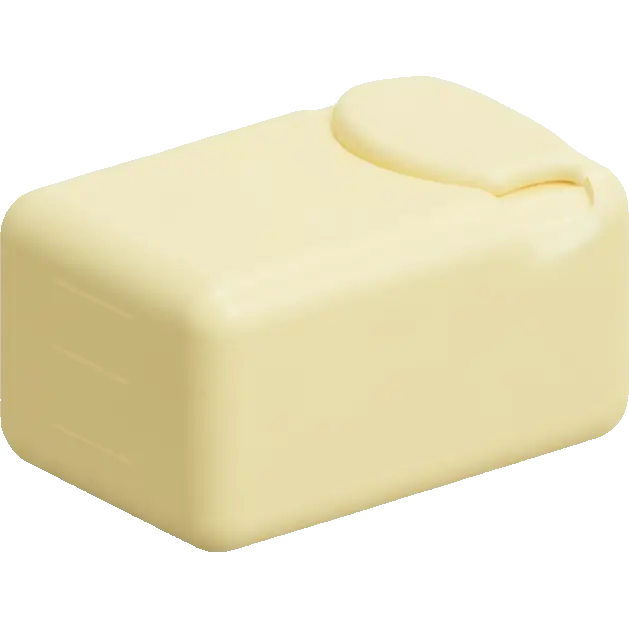
cream cheese
Dairy & Alternatives
Is cream cheese high in gluten?
Is cream cheese high or low in gluten? See its exact rating, how much counts as a portion, and its FODMAP, salicylate, oxalate and diet compatibility in one place.
Related checkers
Compare cream cheese across criteria
Sensitivity notes
Why gluten food checker matters
Gluten is a protein found in wheat, barley, rye, and their derivatives. People with celiac disease, gluten sensitivity, or wheat allergy need to avoid gluten to prevent digestive and systemic symptoms.
- Learn to read labels carefully - gluten hides in many products
- Be aware of cross-contamination in shared kitchens and restaurants
- Look for certified gluten-free products for safety
- Oats are naturally gluten-free but often cross-contaminated
- Give your gut time to heal - improvement may take months
Sensitivities
What cream cheese contains
FODMAPs
Histamine & Amines
Plant compounds
Irritants
Additives
Allergens
Diet fit
Where cream cheese fits
Therapeutic diets
Lifestyle diets
Religious diets
What to know about cream cheese
Cream cheese is mostly fat, which fools people into thinking it is a low-dairy, low-trigger spread, but it is graded high in lactose and still carries casein and whey milk protein. So the classic bagel or cheesecake can bring on bloating, gas or cramps in lactose intolerance, and it stays a problem for a milk protein sensitivity no matter how rich and mild it tastes. Because it is a fresh, unaged cheese it is low in histamine, unlike the aged cheeses that drive amine headaches.
Watch for
- High in lactose, so a thick schmear delivers enough milk sugar to bloat someone who is lactose intolerant
- Contains casein and whey, keeping it off the menu for a dairy protein allergy or sensitivity even though it is fat-heavy
- Rated poorly for SIBO, where the lactose can feed excess fermentation and gas
- Low in histamine, so unlike aged or blue cheese it is unlikely to be the source of a cheese headache







Explore related in Dairy & Alternatives
Compare similar foods to build a personalized list of swaps that work for your system.

Gluten Guide
Everything you need to know about gluten sensitivity and smart food choices.
Gluten is a protein found in wheat, barley, rye, and their derivatives. People with celiac disease, gluten sensitivity, or wheat allergy need to avoid gluten to prevent digestive and systemic symptoms.
Sensitivity varies widely. What triggers one person may be fine for another. Track your reactions to find your personal threshold.
These foods are generally well-tolerated for Gluten sensitivity:
View all safe options







These foods have moderate levels and may be tolerated in small amounts:





These foods are high in gluten and may trigger symptoms:
View full list






If you're sensitive to Gluten, consider these strategies:
- 1Learn to read labels carefully - gluten hides in many products
- 2Be aware of cross-contamination in shared kitchens and restaurants
- 3Look for certified gluten-free products for safety
- 4Oats are naturally gluten-free but often cross-contaminated
- 5Give your gut time to heal - improvement may take months
Pro tip: Keep a food diary to track your reactions. The Triggerbites app makes this easy with automatic pattern detection.
Want personalized tracking?
Download Triggerbites to log meals, track symptoms, and discover your unique triggers.
Get the AppFAQ
Is cream cheese high in Gluten?
Gluten: low signal for most people.
Can I still eat cream cheese if I'm sensitive to Gluten?
Usually fine in normal portions.
What else should I check?
Check Lactose, Lectin, and Low Fermentation next for a fuller picture.