
garland chrysanthemum
Vegetables
Is garland chrysanthemum high in glutamates?
Is garland chrysanthemum high or low in glutamates? See its exact rating, how much counts as a portion, and its FODMAP, salicylate, oxalate and diet compatibility in one place.
Related checkers
Compare garland chrysanthemum across criteria
Sensitivity notes
Why glutamates food checker matters
Glutamates, including MSG, are flavor enhancers found naturally in many foods and added to others. Some people report sensitivity causing headaches, flushing, or other symptoms, though research on 'MSG syndrome' is mixed.
- MSG goes by many names - look for 'glutamate' on labels
- Naturally high in soy sauce, fish sauce, and aged cheeses
- Tomatoes and mushrooms are naturally high in glutamates
- Yeast extract and hydrolyzed proteins contain glutamates
- Fresh, unprocessed foods are generally lower
Sensitivities
What garland chrysanthemum contains
FODMAPs
Histamine & Amines
Plant compounds
Irritants
Additives
Allergens
Diet fit
Where garland chrysanthemum fits
Therapeutic diets
Lifestyle diets
Religious diets
What to know about garland chrysanthemum
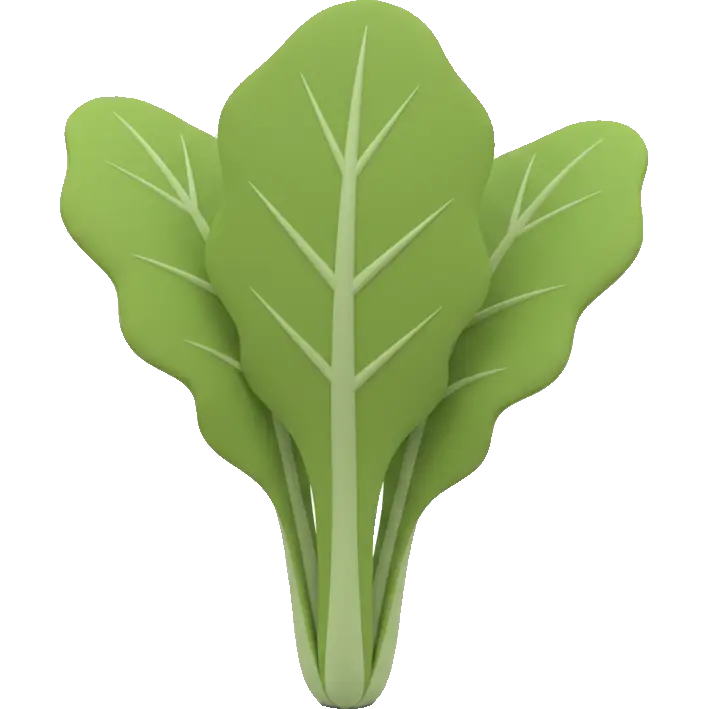
Garland chrysanthemum is the aromatic green dropped into sukiyaki, hot pot and Cantonese stir fries at the last second, sold as shungiku in Japan and tong ho in Chinese markets. Its trigger profile is mild but not blank: salicylates are graded moderate, the highest grade on the page, with oxalate, fructans, fruit sugar and polyols all borderline and histamine, tyramine, gluten, lactose, nickel and glutamates clean. The thing that makes this green different from every other leaf in your basket is botanical. It is a true member of the daisy family, so it sits in the same allergen neighbourhood as ragweed, mugwort and the chrysanthemum flowers that cause florist dermatitis, which is a mechanism no other Asian cooking green in this database shares.
Watch for
- Moderate on salicylates, the strongest grade here.Strongly perfumed bitter leaves tend to carry more salicylate than bland ones, and shungiku is about as perfumed as a leaf gets. On a strict RPAH or failsafe elimination it belongs in the challenge list rather than the free list.
- Daisy family, not a brassica.If chrysanthemums give you contact dermatitis, or your hay fever is driven by mugwort or ragweed, this vegetable is a plausible oral trigger through the same sesquiterpene lactone and pollen cross reactivity that puts lettuce, chicory, radicchio, artichoke and dandelion in the same family.
- Fructans, fruit sugar and polyols are all borderline, and no overall FODMAP figure has been established.A handful wilted into a bowl of broth behaves very differently from a plate of it eaten as a vegetable in its own right.
- It is a late addition for a reason.Overcooked shungiku turns aggressively bitter, and people frequently read that bitterness as a bad reaction. Add it off the heat and judge it again.
- The insecticide confusion is not real.Pyrethrum comes from a different chrysanthemum species grown as a crop for that purpose, not from the vegetable in your hot pot.





Explore related in Vegetables
Compare similar foods to build a personalized list of swaps that work for your system.





Glutamates Guide
Everything you need to know about glutamates sensitivity and smart food choices.
Glutamates, including MSG, are flavor enhancers found naturally in many foods and added to others. Some people report sensitivity causing headaches, flushing, or other symptoms, though research on 'MSG syndrome' is mixed.
Sensitivity varies widely. What triggers one person may be fine for another. Track your reactions to find your personal threshold.
These foods are generally well-tolerated for Glutamates sensitivity:
View all safe options






These foods have moderate levels and may be tolerated in small amounts:







These foods are high in glutamates and may trigger symptoms:
View full list


If you're sensitive to Glutamates, consider these strategies:
- 1MSG goes by many names - look for 'glutamate' on labels
- 2Naturally high in soy sauce, fish sauce, and aged cheeses
- 3Tomatoes and mushrooms are naturally high in glutamates
- 4Yeast extract and hydrolyzed proteins contain glutamates
- 5Fresh, unprocessed foods are generally lower
Pro tip: Keep a food diary to track your reactions. The Triggerbites app makes this easy with automatic pattern detection.
Want personalized tracking?
Download Triggerbites to log meals, track symptoms, and discover your unique triggers.
Get the AppFAQ
Is garland chrysanthemum high in Glutamates?
Glutamates: low signal for most people.
Can I still eat garland chrysanthemum if I'm sensitive to Glutamates?
Usually fine in normal portions.
What else should I check?
Check Salicylates, Low Salicylate, and Low Fibre next for a fuller picture.