 Back to Fructose food checker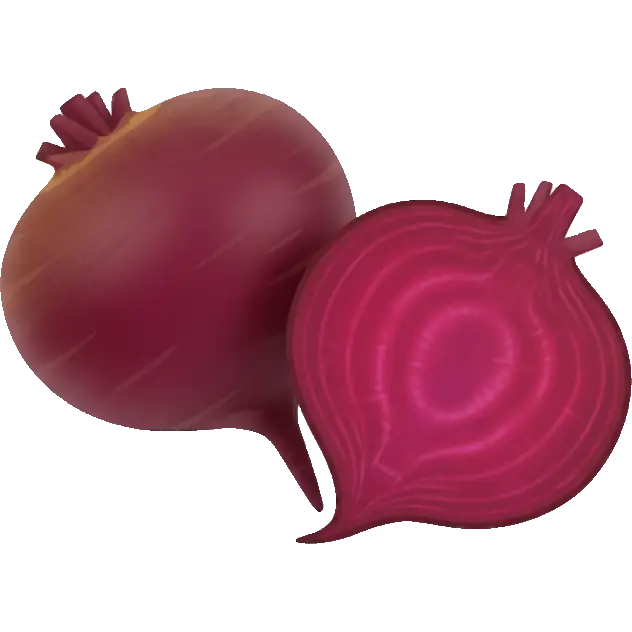
beetroot
Vegetables
Is beetroot high in fructose?
Is beetroot high or low in fructose? See its exact rating, how much counts as a portion, and its FODMAP, salicylate, oxalate and diet compatibility in one place.

Related checkers
Compare beetroot across criteria

Sensitivity notes
Why fructose food checker matters
Excess fructose refers to foods where fructose exceeds glucose content. This imbalance can cause malabsorption issues, leading to bloating, gas, and digestive discomfort in sensitive individuals.
- Pair fructose-containing foods with glucose for better absorption
- Choose fruits with balanced fructose:glucose ratios
- Avoid high-fructose corn syrup and agave
- Honey is very high in excess fructose
- Portion size significantly affects tolerance

Sensitivities
What beetroot contains
FODMAPs







Histamine & Amines



Plant compounds




Irritants




Additives



Allergens
















Diet fit
Where beetroot fits
Therapeutic diets










Lifestyle diets









Religious diets






What to know about beetroot
Beetroot is one of the quieter root vegetables on the food-chemistry side: low histamine, no liberator effect, low salicylate, low oxalate, low lectin, no nickel or glutamate flag. Where it does get people is volume. Beetroot rates moderate for FODMAPs and moderate for polyols, so a small serving is usually fine and a big roasted pile or a tall glass of beet-heavy juice is where the bloating starts. The pink urine that follows is harmless and is not a reaction.
Watch for
- Moderate FODMAP and moderate polyol rating, which makes beetroot a portion-size food rather than a yes or no food.Gas and bloating a few hours later usually means the serving was too big, not that beetroot is out
- Beeturia, the pink or red tint in urine and sometimes stool for a day or two after eating it, is a harmless pigment effect in a large minority of people.Do not log it as a symptom, and do not confuse it with blood
- Pickled beetroot is a different food from fresh: the brine adds vinegar and sometimes sulfite preservatives, so read the jar if either is on your list



Explore related in Vegetables
Compare similar foods to build a personalized list of swaps that work for your system.




Fructose Guide
Everything you need to know about fructose sensitivity and smart food choices.
Excess fructose refers to foods where fructose exceeds glucose content. This imbalance can cause malabsorption issues, leading to bloating, gas, and digestive discomfort in sensitive individuals.
Sensitivity varies widely. What triggers one person may be fine for another. Track your reactions to find your personal threshold.

These foods are generally well-tolerated for Fructose sensitivity:
View all safe options







These foods have moderate levels and may be tolerated in small amounts:



These foods are high in fructose and may trigger symptoms:
View full list
If you're sensitive to Fructose, consider these strategies:
- 1Pair fructose-containing foods with glucose for better absorption
- 2Choose fruits with balanced fructose:glucose ratios
- 3Avoid high-fructose corn syrup and agave
- 4Honey is very high in excess fructose
- 5Portion size significantly affects tolerance
Pro tip: Keep a food diary to track your reactions. The Triggerbites app makes this easy with automatic pattern detection.
Want personalized tracking?
Download Triggerbites to log meals, track symptoms, and discover your unique triggers.
Get the AppFAQ
Is beetroot high in Fructose?
Fructose: low signal for most people.
Can I still eat beetroot if I'm sensitive to Fructose?
Usually fine in normal portions.
What else should I check?
Check Jain, FODMAPs, and Polyols next for a fuller picture.