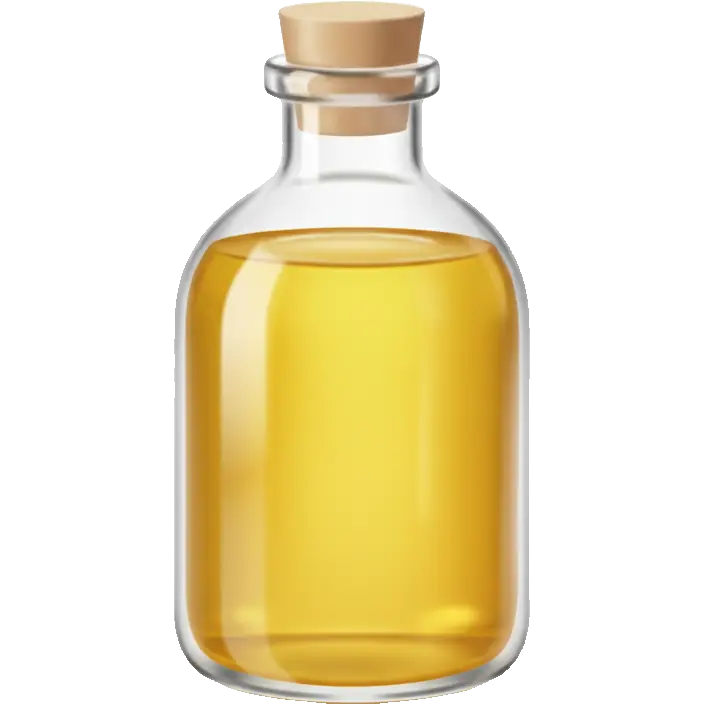
camelina oil
Oils & Fats
Is camelina oil high in fodmaps?
Is camelina oil high or low in fodmaps? See its exact rating, how much counts as a portion, and its FODMAP, salicylate, oxalate and diet compatibility in one place.
Related checkers
Compare camelina oil across criteria
Sensitivity notes
Why fodmaps food checker matters
FODMAPs are fermentable carbohydrates that can cause digestive distress in sensitive individuals. They include fructose, lactose, fructans, galactans, and polyols. These sugars are poorly absorbed in the small intestine and ferment in the colon, potentially causing bloating, gas, and discomfort.
- Start with a 2-6 week elimination phase, removing all high-FODMAP foods
- Keep a detailed food and symptom diary to track your reactions
- Reintroduce one FODMAP group at a time to identify your specific triggers
- Remember that threshold varies - you may tolerate small amounts
- Work with a dietitian trained in the low-FODMAP diet for best results
Sensitivities
What camelina oil contains
FODMAPs
Histamine & Amines
Plant compounds
Irritants
Additives
Allergens
Diet fit
Where camelina oil fits
Therapeutic diets
Lifestyle diets
Religious diets
What to know about camelina oil
Camelina oil is the answer for a lot of people who have run out of oils. Every trigger column grades A: histamine, histamine liberation, tyramine, salicylates, oxalate, nickel, sulfites, nitrites, free glutamate, lectins, gluten, lactose, dairy protein and all five FODMAP groups, with a B on the anti-inflammatory scale that reflects it being a concentrated pressed fat rather than any trigger. It is also genuinely nut free, which matters because most oils with this nutty, asparagus-like flavour are not. Camelina sativa is a Brassicaceae seed, so its relatives are mustard, rapeseed and broccoli rather than flax, despite the old name false flax. That family tie is the one thing worth thinking about before you pour it.
Watch for
- Mustard family, not the flax family.Mustard is a declarable allergen in the EU, the UK and Canada, and camelina allergy is essentially undescribed in the medical literature, so there is no evidence either way. That is an information gap rather than a warning: if you have a diagnosed mustard or rapeseed allergy, raise camelina with your allergist instead of assuming it is covered by the flax comparison
- The pungent Brassicaceae compounds, the glucosinolates, are water soluble and stay in the seed meal, which is why the meal is the one with a feed-quality reputation and the oil is clean.Nothing in that group shows up on the oil grades
- Erucic acid is the reason camelina has its own line in EU law.Vegetable oils are capped at 20 g per kg, but camelina, mustard and borage oils are allowed up to 50 g per kg, because those species cannot get any lower naturally. Relevant if you are pouring camelina by the tablespoon every day rather than dressing a salad with it
- It carries roughly 35 to 40 percent alpha-linolenic acid, so despite marketing claims about a high smoke point, this is not a frying oil.Its advantage over flaxseed oil is shelf life rather than heat tolerance
- Graded B for anti-inflammatory fit, the same as flaxseed and chia oil.That is a note on how a pure concentrated fat scores on that diet pattern, not a sign of a trigger


Explore related in Oils & Fats
Compare similar foods to build a personalized list of swaps that work for your system.


FODMAPs Guide
Everything you need to know about fodmaps sensitivity and smart food choices.
FODMAPs are fermentable carbohydrates that can cause digestive distress in sensitive individuals. They include fructose, lactose, fructans, galactans, and polyols. These sugars are poorly absorbed in the small intestine and ferment in the colon, potentially causing bloating, gas, and discomfort.
Sensitivity varies widely. What triggers one person may be fine for another. Track your reactions to find your personal threshold.
These foods are generally well-tolerated for FODMAPs sensitivity:
View all safe options














These foods are high in fodmaps and may trigger symptoms:
View full list






If you're sensitive to FODMAPs, consider these strategies:
- 1Start with a 2-6 week elimination phase, removing all high-FODMAP foods
- 2Keep a detailed food and symptom diary to track your reactions
- 3Reintroduce one FODMAP group at a time to identify your specific triggers
- 4Remember that threshold varies - you may tolerate small amounts
- 5Work with a dietitian trained in the low-FODMAP diet for best results
Pro tip: Keep a food diary to track your reactions. The Triggerbites app makes this easy with automatic pattern detection.
Want personalized tracking?
Download Triggerbites to log meals, track symptoms, and discover your unique triggers.
Get the AppFAQ
Is camelina oil high in FODMAPs?
FODMAP rating: Low FODMAP. Low FODMAP: usually easier for most people, still watch portion size.
Can I still eat camelina oil if I'm sensitive to FODMAPs?
Usually fine in normal portions.
What else should I check?
Check AIP, Gastroparesis Diet, and Paleo next for a fuller picture.