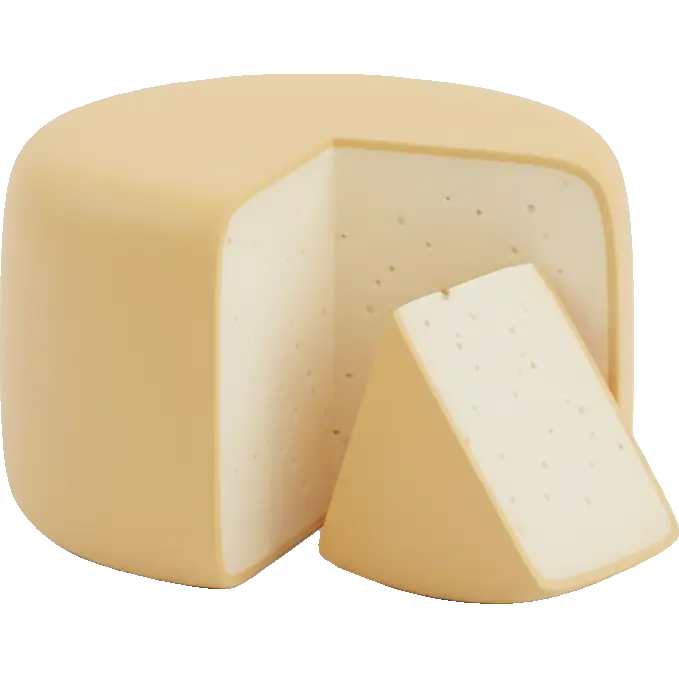
sheep milk and dairy
Dairy & Alternatives
Is sheep milk and dairy eoe compatible-compatible?
See whether sheep milk and dairy fits an eoe compatible diet, with a clear compatible-or-avoid verdict plus its FODMAP, histamine and other trigger ratings in one place.
Related checkers
Compare sheep milk and dairy across criteria
Sensitivity notes
Why eoe compatible diet checker matters
Eosinophilic Esophagitis (EoE) dietary management often involves eliminating common trigger foods including dairy, wheat, eggs, soy, nuts, and seafood. The six-food elimination diet is commonly used to identify personal triggers.
- The six-food elimination diet removes dairy, wheat, eggs, soy, nuts, and seafood
- Systematic reintroduction with endoscopy helps identify triggers
- Milk/dairy is the most common trigger
- Work closely with your gastroenterologist and allergist
- Elemental diet may be used in severe cases
Sensitivities
What sheep milk and dairy contains
FODMAPs
Histamine & Amines
Plant compounds
Irritants
Additives
Allergens
Diet fit
Where sheep milk and dairy fits
Therapeutic diets
Lifestyle diets
Religious diets
What to know about sheep milk and dairy
Sheep milk is the quiet foundation of a lot of famous cheese: roquefort, pecorino, manchego and traditional Greek feta are all made from it, which means plenty of people are eating sheep dairy without ever buying a carton of it. It is a much denser milk than cow milk, carrying roughly double the fat and nearly double the protein, which is precisely why it makes such rich cheese and such thick yogurt. On the two questions people actually ask, the answers are unfortunately the same as for goat. Sheep casein is a close structural relative of cow casein and cross reacts with it, so sheep dairy is not a workaround for a cow milk protein allergy and should not be trialled as one without a clinician. It is graded at the maximum for lactose, the same grade cow milk carries, so it does not solve lactose intolerance either. Where sheep milk is genuinely clean is the amine side: fresh sheep milk is graded low for histamine and low for tyramine, along with clean grades on salicylates, sulfites, nickel and free glutamate. That clean amine profile belongs to the milk, not to the cheeses made from it.
Watch for
- Maximum grade for lactose, the same grade cow milk carries.Sheep milk is not a lower lactose milk, and its higher solids content means a glass delivers at least as much milk sugar as cow milk does
- High dairy protein that cross reacts with cow casein.Allergy guidance advises against using sheep or goat dairy as a substitute in cow milk protein allergy, so this is a clinician question rather than a home experiment
- Fresh sheep milk is graded low for histamine and low for tyramine, but the cheeses it becomes are not.Aged sheep cheese is graded high for histamine, and roquefort and pecorino are ripened for months
- Around double the fat of cow milk and nearly double the protein, so portions that feel equivalent are not nutritionally equivalent
- Rated poor for SIBO on the back of the lactose, and it is not eosinophilic oesophagitis compatible

Explore related in Dairy & Alternatives
Compare similar foods to build a personalized list of swaps that work for your system.


EoE Compatible Guide
Everything you need to know about eoe compatible compatibility and smart food choices.
Eosinophilic Esophagitis (EoE) dietary management often involves eliminating common trigger foods including dairy, wheat, eggs, soy, nuts, and seafood. The six-food elimination diet is commonly used to identify personal triggers.
These foods are typically compatible with a EoE Compatible approach:
View all safe options







Practical guidance for following a EoE Compatible diet:
- 1The six-food elimination diet removes dairy, wheat, eggs, soy, nuts, and seafood
- 2Systematic reintroduction with endoscopy helps identify triggers
- 3Milk/dairy is the most common trigger
- 4Work closely with your gastroenterologist and allergist
- 5Elemental diet may be used in severe cases
Pro tip: Keep a food diary to track your reactions. The Triggerbites app makes this easy with automatic pattern detection.
Want personalized tracking?
Download Triggerbites to log meals, track symptoms, and discover your unique triggers.
Get the AppFAQ
Does sheep milk and dairy fit an eoe compatible diet?
EoE Compatible: avoid for strict plans.
What if I eat it occasionally?
Occasional use may break strict plans.
What are safer swaps?
Compare within the Dairy & Alternatives group.