
asparagus
Vegetables
Is asparagus high in dairy proteins?
Is asparagus high or low in dairy proteins? See its exact rating, how much counts as a portion, and its FODMAP, salicylate, oxalate and diet compatibility in one place.
Related checkers
Compare asparagus across criteria
Sensitivity notes
Why dairy proteins food checker matters
Dairy proteins (casein and whey) can cause reactions in people with milk protein allergy or intolerance. This is different from lactose intolerance and can cause both digestive and systemic symptoms.
- Dairy protein allergy requires complete dairy avoidance
- Casein and whey are the main proteins to avoid
- 'Non-dairy' products may still contain casein
- Ghee may be tolerated as proteins are removed
- This is different from lactose intolerance - treatment differs
Sensitivities
What asparagus contains
FODMAPs
Histamine & Amines
Plant compounds
Irritants
Additives
Allergens
Diet fit
Where asparagus fits
Therapeutic diets
Lifestyle diets
Religious diets
What to know about asparagus
Asparagus is anti-inflammatory and clean on histamine, yet it is one of the higher-FODMAP vegetables because it is rich in fructans, the same fermentable fiber that makes onion and garlic hard to tolerate. Even a couple of spears can trigger bloating, wind and loose stools if you have IBS, and the low-FODMAP serving is tiny, well under a single spear. Asparagus is also moderate in salicylates and oxalate, so it is a mild secondary trigger for people sensitive to those.
Watch for
- High in fructans, so even a small serving can bloat a FODMAP-sensitive gut
- One of the vegetables people react to most quickly on a low-FODMAP reintroduction
- Moderate in salicylates and oxalate, minor considerations if you react to those






Explore related in Vegetables
Compare similar foods to build a personalized list of swaps that work for your system.



Dairy Proteins Guide
Everything you need to know about dairy proteins sensitivity and smart food choices.
Dairy proteins (casein and whey) can cause reactions in people with milk protein allergy or intolerance. This is different from lactose intolerance and can cause both digestive and systemic symptoms.
Sensitivity varies widely. What triggers one person may be fine for another. Track your reactions to find your personal threshold.
These foods are generally well-tolerated for Dairy Proteins sensitivity:
View all safe options






These foods have moderate levels and may be tolerated in small amounts:


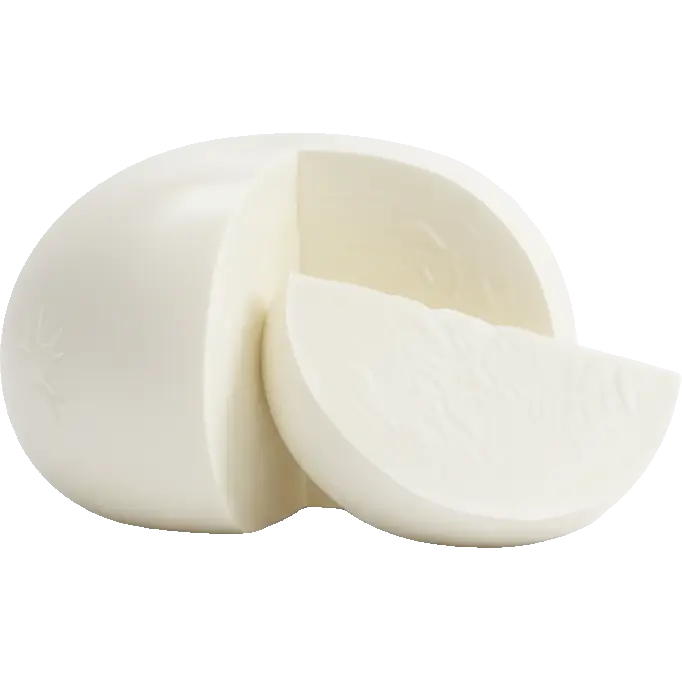





These foods are high in dairy proteins and may trigger symptoms:
View full list





If you're sensitive to Dairy Proteins, consider these strategies:
- 1Dairy protein allergy requires complete dairy avoidance
- 2Casein and whey are the main proteins to avoid
- 3'Non-dairy' products may still contain casein
- 4Ghee may be tolerated as proteins are removed
- 5This is different from lactose intolerance - treatment differs
Pro tip: Keep a food diary to track your reactions. The Triggerbites app makes this easy with automatic pattern detection.
Want personalized tracking?
Download Triggerbites to log meals, track symptoms, and discover your unique triggers.
Get the AppFAQ
Is asparagus high in Dairy Proteins?
Dairy Proteins: low signal for most people.
Can I still eat asparagus if I'm sensitive to Dairy Proteins?
Usually fine in normal portions.
What else should I check?
Check FODMAPs, Fructans, and Salicylates next for a fuller picture.