 Back to Inflammation diet checker
egg
Eggs
Is egg inflammation-compatible?

See whether egg fits an inflammation diet, with a clear compatible-or-avoid verdict plus its FODMAP, histamine and other trigger ratings in one place.

Related checkers
Compare egg across criteria

Sensitivity notes
Why inflammation diet checker matters
An anti-inflammatory diet focuses on foods that help reduce chronic inflammation in the body. It emphasizes fruits, vegetables, fatty fish, nuts, and whole grains while limiting processed foods, refined sugars, and certain oils.
- Focus on omega-3 rich foods like fatty fish, walnuts, and flaxseed
- Colorful fruits and vegetables provide anti-inflammatory antioxidants
- Extra virgin olive oil is a cornerstone of anti-inflammatory eating
- Limit refined sugars, processed foods, and industrial seed oils
- Turmeric and ginger are powerful anti-inflammatory spices

Sensitivities
What egg contains
FODMAPs







Histamine & Amines



Plant compounds




Irritants




Additives



Allergens
















Diet fit
Where egg fits
Therapeutic diets










Lifestyle diets








Religious diets






What to know about egg
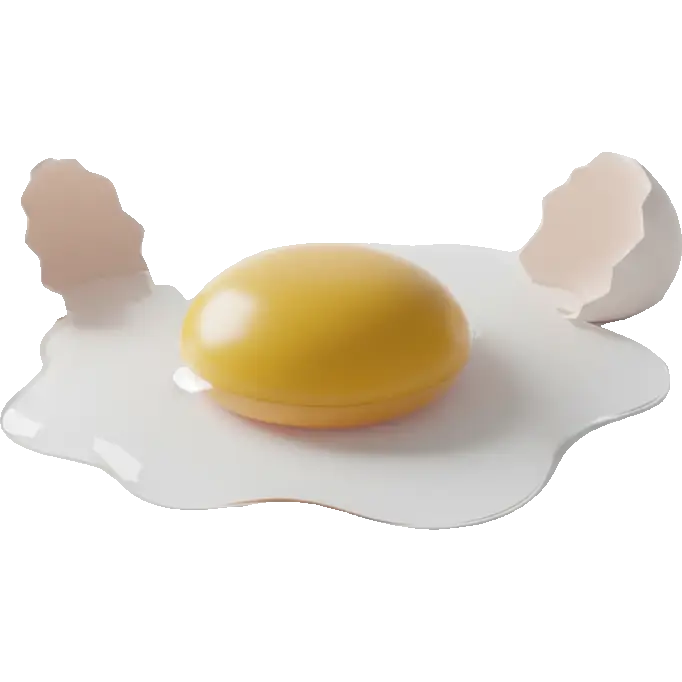
Is egg a trigger food? On food chemistry it is one of the cleanest things on the plate: graded clear for histamine, histamine liberation, salicylates, tyramine, lactose, gluten, nickel and free glutamates, and clean on FODMAPs, so a plain egg is rarely why a sensitive gut complains. The reason egg still appears on almost every elimination list is immune rather than chemical. Egg is a top labelled allergen, it grades as incompatible with an eosinophilic esophagitis (EoE) elimination diet, and the proteins people actually react to (ovomucoid and ovalbumin) sit mostly in the white. Our data grades white and yolk identically, so if you are separating them, keep treating both as egg until an allergist says otherwise.
Watch for
- Graded incompatible with an EoE elimination diet: egg is one of the six foods pulled in the six-food elimination protocol, along with milk, wheat, soy, nuts and fish
- The major egg allergens (ovomucoid, ovalbumin) are concentrated in the white, but the grades treat white and yolk the same, so a yolk-only trial is an allergist decision rather than a kitchen experiment
- Baked egg is a different exposure from scrambled.Long baking inside a wheat batter, as in a muffin, is tolerated by many egg-allergic children while a soft-cooked egg is not. Only ever test that under medical supervision.
- Hidden egg turns up in mayonnaise, meringue, the egg wash on bread, fresh pasta, nougat and many ice creams, and hides on labels as albumin, globulin, lysozyme or lecithin
- Graded borderline for lectins and pro-inflammatory on an inflammation-focused diet, which is a diet-pattern note rather than a sensitivity trigger






Explore related in Eggs
Compare similar foods to build a personalized list of swaps that work for your system.

Inflammation Guide
Everything you need to know about inflammation compatibility and smart food choices.
An anti-inflammatory diet focuses on foods that help reduce chronic inflammation in the body. It emphasizes fruits, vegetables, fatty fish, nuts, and whole grains while limiting processed foods, refined sugars, and certain oils.
These foods are typically compatible with a Inflammation approach:
View all safe options








Practical guidance for following a Inflammation diet:
- 1Focus on omega-3 rich foods like fatty fish, walnuts, and flaxseed
- 2Colorful fruits and vegetables provide anti-inflammatory antioxidants
- 3Extra virgin olive oil is a cornerstone of anti-inflammatory eating
- 4Limit refined sugars, processed foods, and industrial seed oils
- 5Turmeric and ginger are powerful anti-inflammatory spices
Pro tip: Keep a food diary to track your reactions. The Triggerbites app makes this easy with automatic pattern detection.
Want personalized tracking?
Download Triggerbites to log meals, track symptoms, and discover your unique triggers.
Get the AppFAQ
Does egg fit an inflammation diet?
Inflammation: avoid for strict plans.
What if I eat it occasionally?
Occasional use may break strict plans.
What are safer swaps?
More swaps coming soon.