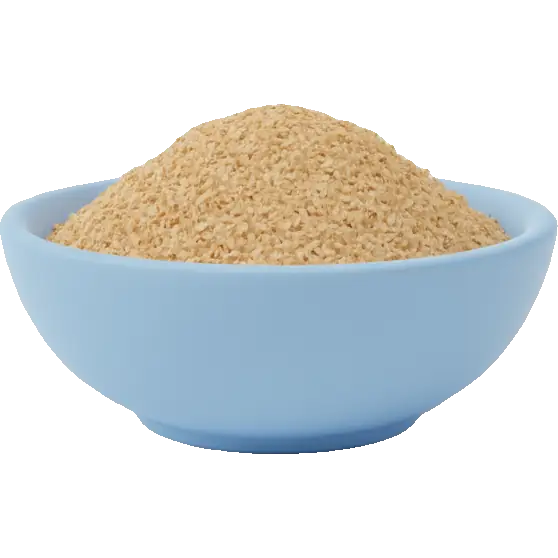
wheat germ
Grains
Is wheat germ vegetarian-compatible?
See whether wheat germ fits a vegetarian diet, with a clear compatible-or-avoid verdict plus its FODMAP, histamine and other trigger ratings in one place.
Related checkers
Compare wheat germ across criteria
Sensitivity notes
Why vegetarian diet checker matters
A vegetarian diet excludes meat and fish but may include dairy products and eggs. It focuses on plant foods with optional animal-derived products like milk, cheese, and eggs.
- Eggs and dairy can help meet protein needs
- Include a variety of plant proteins for balanced nutrition
- Iron-rich foods pair well with vitamin C
- Don't rely too heavily on cheese as a protein source
- B12 is still important if limiting animal products
Sensitivities
What wheat germ contains
FODMAPs
Histamine & Amines
Plant compounds
Irritants
Additives
Allergens
Diet fit
Where wheat germ fits
Therapeutic diets
Lifestyle diets
Religious diets
What to know about wheat germ
Wheat germ is the embryo of the wheat kernel, the small living part that would have become the next plant, and milling strips it out to make white flour because its oil turns rancid. Selling it back as a health food is honest enough on nutrition, since it is genuinely dense in vitamin E, magnesium, folate and thiamine. The catch is that the germ concentrates the kernel triggers along with the nutrients. It is where wheat germ agglutinin, the famous wheat lectin, is concentrated, and we grade it at the top of both our lectin and our nickel scales. It is also wheat, so gluten and fructans come with it, which routinely catches people who sprinkle it on yoghurt or blend it into a smoothie without registering it as a wheat product at all. A tablespoon of germ is a small amount of food carrying an unusually concentrated dose of everything the germ holds.
Watch for
- Our highest lectin grade, because wheat germ agglutinin is concentrated in exactly the part of the kernel this product is made of, and it is normally eaten raw or lightly toasted rather than boiled
- Our highest nickel grade as well: the germ and bran layers hold most of the kernel nickel, so a spoonful is a dense dose if you are managing systemic nickel allergy
- Contains gluten and is high in fructans, which is easy to forget when it arrives as a beige powder in a smoothie, a protein bar or a high-fibre cereal rather than as bread
- A poor choice on SIBO protocols, since concentrated fermentable fibre is what feeds the overgrowth
- Highly perishable.The germ is roughly ten percent oil and mostly polyunsaturated, so an opened jar left in a warm cupboard goes rancid within weeks. Bitter or paint-like flavour means throw it out, and refrigerate what you keep





Explore related in Grains
Compare similar foods to build a personalized list of swaps that work for your system.

Vegetarian Guide
Everything you need to know about vegetarian compatibility and smart food choices.
A vegetarian diet excludes meat and fish but may include dairy products and eggs. It focuses on plant foods with optional animal-derived products like milk, cheese, and eggs.
These foods are typically compatible with a Vegetarian approach:
View all safe options




Practical guidance for following a Vegetarian diet:
- 1Eggs and dairy can help meet protein needs
- 2Include a variety of plant proteins for balanced nutrition
- 3Iron-rich foods pair well with vitamin C
- 4Don't rely too heavily on cheese as a protein source
- 5B12 is still important if limiting animal products
Pro tip: Keep a food diary to track your reactions. The Triggerbites app makes this easy with automatic pattern detection.
Want personalized tracking?
Download Triggerbites to log meals, track symptoms, and discover your unique triggers.
Get the AppFAQ
Does wheat germ fit a vegetarian diet?
Vegetarian: fits well for most plans.
What if I eat it occasionally?
Still check preparation and add-ins.
What are safer swaps?
Compare within the Grains group.