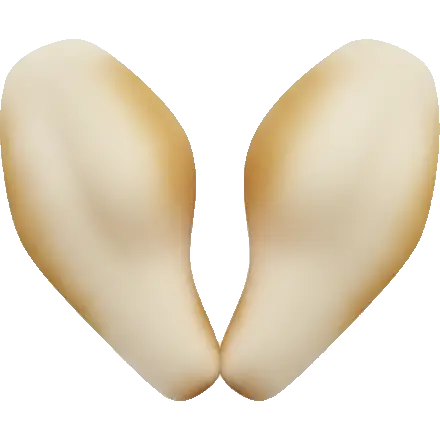
frog legs
Meat
Is frog legs vegetarian-compatible?
See whether frog legs fits a vegetarian diet, with a clear compatible-or-avoid verdict plus its FODMAP, histamine and other trigger ratings in one place.
Related checkers
Compare frog legs across criteria
Sensitivity notes
Why vegetarian diet checker matters
A vegetarian diet excludes meat and fish but may include dairy products and eggs. It focuses on plant foods with optional animal-derived products like milk, cheese, and eggs.
- Eggs and dairy can help meet protein needs
- Include a variety of plant proteins for balanced nutrition
- Iron-rich foods pair well with vitamin C
- Don't rely too heavily on cheese as a protein source
- B12 is still important if limiting animal products
Sensitivities
What frog legs contains
FODMAPs
Histamine & Amines
Plant compounds
Irritants
Additives
Allergens
Diet fit
Where frog legs fits
Therapeutic diets
Lifestyle diets
Religious diets
What to know about frog legs
Frog legs are lean white muscle with a texture between chicken and fish, and on the food chemistry columns they are quiet: clean on gluten, lactose, salicylate, oxalate, nickel, sulfite and every FODMAP group, with only a mild histamine grade. The reason this page exists is not chemistry. Frog is a genuine and under recognised allergen with well described cross reactivity to fish, and it is also a food where the cooking matters, because frogs carry parasites and bacteria that a quick fry through a batter coating does not reliably deal with.
Watch for
- Frog muscle contains parvalbumin, the same class of protein behind most fish allergy, and frog to fish cross reactivity is documented.If you have a fish allergy, frog legs are not a safe substitute and should be treated as a potential trigger rather than an alternative protein.
- There is also a described frog and mite association, in the same family as the better known mite and shellfish cross reactions, so people with strong house dust mite sensitisation are not automatically in the clear.
- They are almost never served plain.The standard preparation is flour dredged and fried in garlic butter, so a reaction to a plate of frog legs frequently belongs to the wheat coating, the dairy or the garlic rather than the frog.
- Undercooking is a real risk.Frogs are a recognised host for parasites and for Salmonella, and the thin leg muscle around the bone is exactly where a hot fast fry leaves the centre underdone.
- Histamine grades mild, and like all lean flesh it climbs with poor handling.Frozen imported legs that have thawed and refrozen are the common problem case.






Explore related in Meat
Compare similar foods to build a personalized list of swaps that work for your system.

Vegetarian Guide
Everything you need to know about vegetarian compatibility and smart food choices.
A vegetarian diet excludes meat and fish but may include dairy products and eggs. It focuses on plant foods with optional animal-derived products like milk, cheese, and eggs.
These foods are typically compatible with a Vegetarian approach:
View all safe options





Practical guidance for following a Vegetarian diet:
- 1Eggs and dairy can help meet protein needs
- 2Include a variety of plant proteins for balanced nutrition
- 3Iron-rich foods pair well with vitamin C
- 4Don't rely too heavily on cheese as a protein source
- 5B12 is still important if limiting animal products
Pro tip: Keep a food diary to track your reactions. The Triggerbites app makes this easy with automatic pattern detection.
Want personalized tracking?
Download Triggerbites to log meals, track symptoms, and discover your unique triggers.
Get the AppFAQ
Does frog legs fit a vegetarian diet?
Vegetarian: avoid for strict plans.
What if I eat it occasionally?
Occasional use may break strict plans.
What are safer swaps?
Compare within the Meat group.