 Back to Sulfites food checker
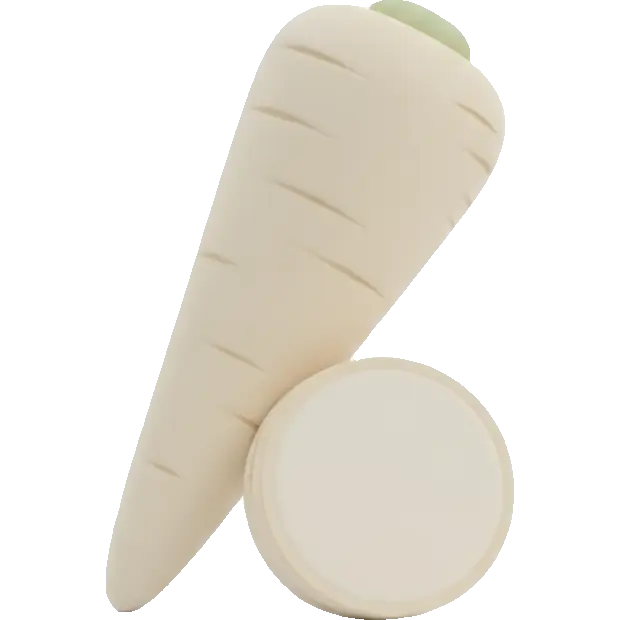
parsnip
Vegetables
Is parsnip high in sulfites?
Is parsnip high or low in sulfites? See its exact rating, how much counts as a portion, and its FODMAP, salicylate, oxalate and diet compatibility in one place.

Related checkers
Compare parsnip across criteria

Sensitivity notes
Why sulfites food checker matters
Sulfites are preservatives found in wine, dried fruits, and processed foods. They can trigger asthma symptoms, headaches, and allergic reactions in sensitive individuals.
- Dried fruits are often high in sulfites unless labeled 'unsulfured'
- Wine, especially white, commonly contains sulfites
- Fresh foods are naturally sulfite-free
- Check medication labels - some contain sulfites
- Look for 'contains sulfites' on labels (required above 10ppm)

Sensitivities
What parsnip contains
FODMAPs







Histamine & Amines



Plant compounds




Irritants




Additives



Allergens
















Diet fit
Where parsnip fits
Therapeutic diets










Lifestyle diets









Religious diets






What to know about parsnip
Parsnips are a sweet white root that roast beautifully, and across the trigger panel they are quiet: clean on histamine, gluten, lactose, nickel, lectins and nightshades, mild on oxalate, and low FODMAP in a normal serve, which makes them one of the easier roots for IBS as long as they are not cooked in garlic or onion oil. The grade that stands out is salicylate, which comes in moderate. The other thing worth knowing has nothing to do with digestion: parsnip skin and tops carry furanocoumarins, the compounds behind phytophotodermatitis, so peeling a big batch and then spending the afternoon in the sun can burn your hands. Note that parsnip is not a nightshade, despite looking like a pale carrot.
Watch for
- Moderate salicylate, the highest grade on this page, so parsnip is a measure-and-test root on a strict salicylate elimination rather than an automatic yes
- Low FODMAP in a normal serve, which makes plain roasted parsnip a good IBS-friendly root as long as it is not cooked in garlic or onion oil
- Oxalate sits in the mild band, not the high one.Parsnip root runs about 10 mg per 100 g, so it does not need to come off a low oxalate plate
- Parsnip skin and tops contain furanocoumarins, which react with sunlight on bare skin.Peeling a large batch and then going out in the sun can leave the blistering rash called phytophotodermatitis, a handling issue rather than an eating trigger


Explore related in Vegetables
Compare similar foods to build a personalized list of swaps that work for your system.

Sulfites Guide
Everything you need to know about sulfites sensitivity and smart food choices.
Sulfites are preservatives found in wine, dried fruits, and processed foods. They can trigger asthma symptoms, headaches, and allergic reactions in sensitive individuals.
Sensitivity varies widely. What triggers one person may be fine for another. Track your reactions to find your personal threshold.

These foods are generally well-tolerated for Sulfites sensitivity:
View all safe options





These foods have moderate levels and may be tolerated in small amounts:
These foods are high in sulfites and may trigger symptoms:
View full list

If you're sensitive to Sulfites, consider these strategies:
- 1Dried fruits are often high in sulfites unless labeled 'unsulfured'
- 2Wine, especially white, commonly contains sulfites
- 3Fresh foods are naturally sulfite-free
- 4Check medication labels - some contain sulfites
- 5Look for 'contains sulfites' on labels (required above 10ppm)
Pro tip: Keep a food diary to track your reactions. The Triggerbites app makes this easy with automatic pattern detection.
Want personalized tracking?
Download Triggerbites to log meals, track symptoms, and discover your unique triggers.
Get the AppFAQ
Is parsnip high in Sulfites?
Sulfites: low signal for most people.
Can I still eat parsnip if I'm sensitive to Sulfites?
Usually fine in normal portions.
What else should I check?
Check Jain, Keto, and Salicylates next for a fuller picture.