
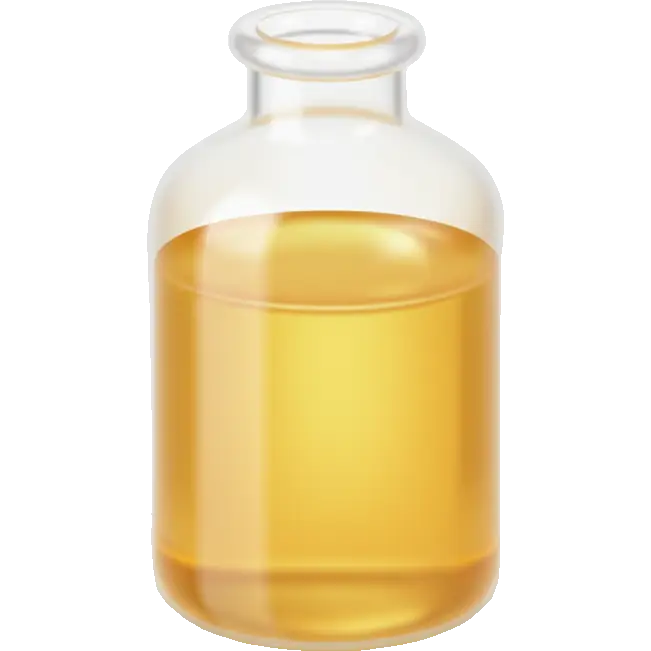
fish oil
Oils & Fats
Is fish oil high in low fermentation?
Is fish oil high or low in low fermentation? See its exact rating, how much counts as a portion, and its FODMAP, salicylate, oxalate and diet compatibility in one place.
Related checkers
Compare fish oil across criteria
Sensitivity notes
Why low fermentation food checker matters
SIBO (Small Intestinal Bacterial Overgrowth) diets focus on reducing fermentable foods that feed bacteria in the small intestine. Low-fermentation foods help manage symptoms like bloating, gas, and abdominal discomfort.
- Low-fermentation eating reduces food for overgrown bacteria
- Meal spacing (4-5 hours) allows the MMC to clear the gut
- Avoid grazing - structured meals are better
- Some find the elemental diet helpful under medical supervision
- Address underlying causes with your healthcare provider
Sensitivities
What fish oil contains
FODMAPs
Histamine & Amines
Plant compounds
Irritants
Additives
Allergens
Diet fit
Where fish oil fits
Therapeutic diets
Lifestyle diets
Religious diets
What to know about fish oil
Fish oil is the odd entry in a food-trigger journal: a supplement rather than a cooking fat, and on food chemistry it is close to inert. It grades A for histamine, histamine liberation, tyramine, salicylates, oxalate, nickel, sulfites, glutamates and every FODMAP subgroup, so the common search "is fish oil high in histamine" has a more reassuring answer than the oily fish it is pressed from. Its real cautions are not chemical at all. It is a fish-derived product, so it belongs inside any fish allergy conversation. It oxidises readily, and rancid oil is the usual reason people blame their capsules for nausea and reflux. And at supplement doses the EPA and DHA in it have a mild antiplatelet effect, which is the part worth raising before surgery or if you take a blood thinner.
Watch for
- Graded A for both histamine content and histamine liberation, so refined fish oil is usually not the problem on a low-histamine protocol, even though sardines and anchovies grade E and any oily fish climbs fast once it is no longer properly chilled
- It is a fish product.Highly refined fish oil retains very little fish protein and many people with fish allergy tolerate it, but refinement varies between brands and the standing allergy advice is to clear it with your allergist rather than assume
- Oxidation is the practical trigger.Fishy repeating, a putty-like smell when you split a capsule, or a bitter aftertaste all mean the oil has gone rancid, and rancid oil is far more likely to cause queasiness and reflux than fresh oil is
- EPA and DHA reduce platelet aggregation slightly at supplement doses, so flag it before surgery or dental extraction and if you take warfarin, clopidogrel or daily aspirin
- Graded E for vegan and E for vegetarian, which is simply what it is: an oil extracted from fish



Explore related in Oils & Fats
Compare similar foods to build a personalized list of swaps that work for your system.

Low Fermentation Guide
Everything you need to know about low fermentation sensitivity and smart food choices.
SIBO (Small Intestinal Bacterial Overgrowth) diets focus on reducing fermentable foods that feed bacteria in the small intestine. Low-fermentation foods help manage symptoms like bloating, gas, and abdominal discomfort.
Sensitivity varies widely. What triggers one person may be fine for another. Track your reactions to find your personal threshold.
These foods are generally well-tolerated for Low Fermentation sensitivity:
View all safe options







These foods have moderate levels and may be tolerated in small amounts:








These foods are high in low fermentation and may trigger symptoms:
View full list







If you're sensitive to Low Fermentation, consider these strategies:
- 1Low-fermentation eating reduces food for overgrown bacteria
- 2Meal spacing (4-5 hours) allows the MMC to clear the gut
- 3Avoid grazing - structured meals are better
- 4Some find the elemental diet helpful under medical supervision
- 5Address underlying causes with your healthcare provider
Pro tip: Keep a food diary to track your reactions. The Triggerbites app makes this easy with automatic pattern detection.
Want personalized tracking?
Download Triggerbites to log meals, track symptoms, and discover your unique triggers.
Get the AppFAQ
Is fish oil high in Low Fermentation?
Low Fermentation: low signal for most people.
Can I still eat fish oil if I'm sensitive to Low Fermentation?
Usually fine in normal portions.
What else should I check?
Check Vegan, Vegetarian, and Jain next for a fuller picture.