 Back to Polyols food checker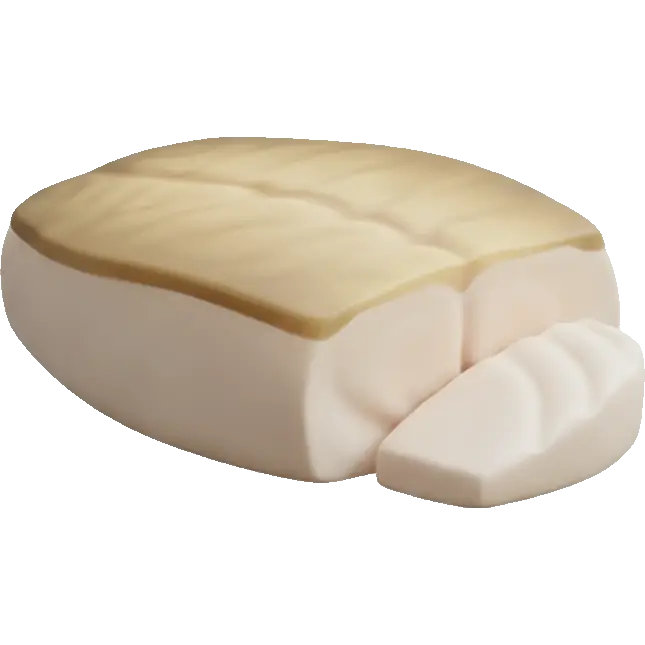
haddock
Seafood
Is haddock high in polyols?
Is haddock high or low in polyols? See its exact rating, how much counts as a portion, and its FODMAP, salicylate, oxalate and diet compatibility in one place.

Related checkers
Compare haddock across criteria

Sensitivity notes
Why polyols food checker matters
Polyols (sugar alcohols) are found naturally in some fruits and vegetables, and are used as artificial sweeteners. They're poorly absorbed and can cause digestive symptoms, especially in IBS sufferers.
- Avoid sugar-free products with sorbitol, mannitol, xylitol, maltitol
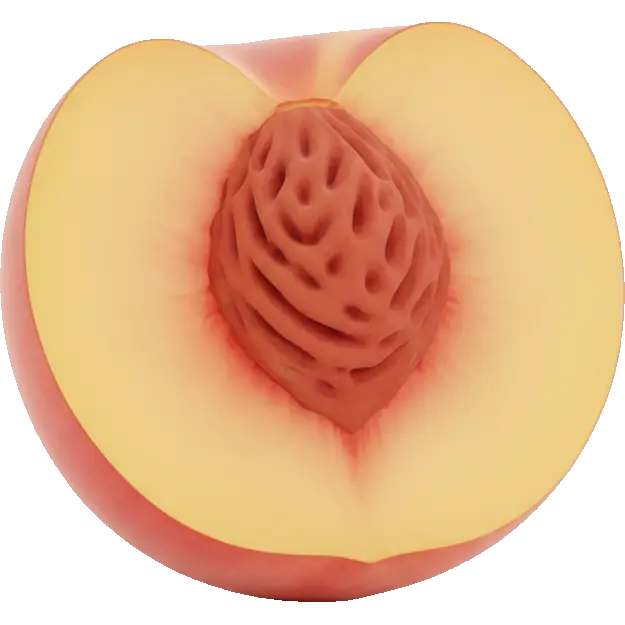
- Stone fruits are naturally high in polyols
- Cooking doesn't reduce polyol content
- Avocado portion size matters - small amounts may be fine
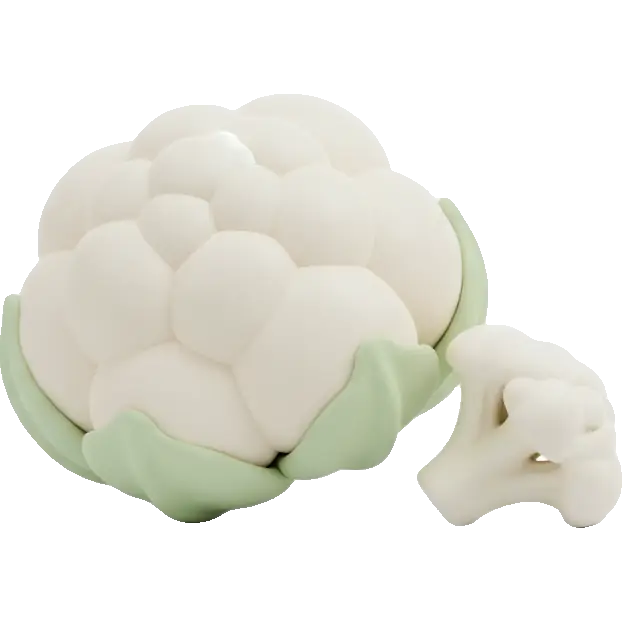
- Cauliflower and mushrooms are common triggers

Sensitivities
What haddock contains
FODMAPs







Histamine & Amines



Plant compounds




Irritants




Additives



Allergens
















Diet fit
Where haddock fits
Therapeutic diets










Lifestyle diets









Religious diets






What to know about haddock
Haddock is a lean cod family white fish that grades clean on every FODMAP column, gluten, lactose, dairy protein, salicylates, oxalates, nickel, sulfites, nitrites, glutamates, lectins and nightshades, with only histamine and tyramine sitting at borderline. The interesting thing about haddock is that hardly anyone eats it plain. It is the chip shop fish and the smokehouse fish, so the two versions most people actually buy come with a batter or with smoke, salt and often a dye. Those additions carry far more trigger weight than the fillet underneath, and they are the first place to look when haddock shows up in a symptom log.
Watch for
- Battered haddock is not gluten free in any meaningful sense.Chip shop batter is wheat flour, frequently made with beer, and it is fried in oil shared with battered sausages, breaded scampi and pies. The fillet is naturally gluten free; almost nothing sold around it is.
- The bright yellow smoked haddock on a supermarket counter is usually coloured, not deeply smoked.Traditional undyed smoke, the Aberdeen style finnan haddie and the hot smoked Arbroath smokie, comes out pale gold. The uniform school bus yellow generally means a shorter smoke plus annatto, turmeric or the azo dye tartrazine. If you react to food colours, buy the undyed version, which is always labelled as such.
- Smoked haddock is also brined, and preserved fish sits on histamine restriction lists even when the fresh fish does not.Cold smoking in particular holds the fish at temperatures where amines build, so smoked haddock is a poorer bet than a fresh fillet for anyone with histamine intolerance.
- The classic haddock dishes bring their own load.Cullen skink, kedgeree and fish pie all poach the fish in milk or finish it with cream, so lactose and dairy protein enter through the pot rather than the fish, and kedgeree adds curry spice on top.
- Fresh haddock grades borderline on histamine and tyramine, which is a freshness measure.It is a lean gadoid without the histidine heavy dark muscle that drives scombroid poisoning, so a cold chained fillet eaten the same day is a straightforward log.


Explore related in Seafood
Compare similar foods to build a personalized list of swaps that work for your system.

Polyols Guide
Everything you need to know about polyols sensitivity and smart food choices.
Polyols (sugar alcohols) are found naturally in some fruits and vegetables, and are used as artificial sweeteners. They're poorly absorbed and can cause digestive symptoms, especially in IBS sufferers.
Sensitivity varies widely. What triggers one person may be fine for another. Track your reactions to find your personal threshold.

These foods are generally well-tolerated for Polyols sensitivity:
View all safe options








These foods have moderate levels and may be tolerated in small amounts:



These foods are high in polyols and may trigger symptoms:
View full list
If you're sensitive to Polyols, consider these strategies:
- 1Avoid sugar-free products with sorbitol, mannitol, xylitol, maltitol
- 2Stone fruits are naturally high in polyols
- 3Cooking doesn't reduce polyol content
- 4Avocado portion size matters - small amounts may be fine
- 5Cauliflower and mushrooms are common triggers
Pro tip: Keep a food diary to track your reactions. The Triggerbites app makes this easy with automatic pattern detection.
Want personalized tracking?
Download Triggerbites to log meals, track symptoms, and discover your unique triggers.
Get the AppFAQ
Is haddock high in Polyols?
Polyols: low signal for most people.
Can I still eat haddock if I'm sensitive to Polyols?
Usually fine in normal portions.
What else should I check?
Check Fish, Vegan, and Vegetarian next for a fuller picture.