 Back to Polyols food checker
adzuki beans
Legumes/Pulses
Is adzuki beans high in polyols?
Is adzuki beans high or low in polyols? See its exact rating, how much counts as a portion, and its FODMAP, salicylate, oxalate and diet compatibility in one place.

Related checkers
Compare adzuki beans across criteria

Sensitivity notes
Why polyols food checker matters
Polyols (sugar alcohols) are found naturally in some fruits and vegetables, and are used as artificial sweeteners. They're poorly absorbed and can cause digestive symptoms, especially in IBS sufferers.
- Avoid sugar-free products with sorbitol, mannitol, xylitol, maltitol
- Stone fruits are naturally high in polyols
- Cooking doesn't reduce polyol content
- Avocado portion size matters - small amounts may be fine
- Cauliflower and mushrooms are common triggers

Sensitivities
What adzuki beans contains
FODMAPs







Histamine & Amines



Plant compounds




Irritants




Additives



Allergens
















Diet fit
Where adzuki beans fits
Therapeutic diets










Lifestyle diets









Religious diets






What to know about adzuki beans
Adzuki beans are the small red beans behind anko, the sweet paste inside dorayaki, taiyaki, daifuku mochi and red bean ice cream, so most people meet them as a dessert rather than as a bowl of beans. Chemically they behave like any legume: very high in galacto-oligosaccharides (GOS), high in lectins, high in nickel and moderate in salicylates, while staying clean on gluten, lactose, histamine and nightshades. The sweet context cuts both ways. Anko carries close to its own weight in sugar, so the dose arrives sweetened and easy to overeat, but the traditional shibukiri step of boiling the beans and tipping the first water away also washes out part of the GOS that makes beans gassy.
Watch for
- Top rating for galacto-oligosaccharides, the sugar chain the human gut cannot break down, so a generous helping of red bean paste can bloat you hours later even though the dessert felt light
- Shibukiri, the Japanese habit of bringing adzuki to a boil and pouring the first water off before starting again, strips astringent compounds and takes water-soluble FODMAPs with it, so beans cooked that way are a little gentler than beans simmered straight through in their first water
- Sweetened paste is roughly half sugar by weight, so a reaction to a mochi or a bowl of zenzai may be about the sugar and the portion rather than the bean itself
- High in lectins in the raw bean; the long boil that turns adzuki into paste deals with that, but a quick-soaked batch or a slow cooker that never reaches a rolling boil does not
- High in nickel and moderate in salicylates, so adzuki add to both running totals if you are managing systemic nickel allergy or a salicylate-restricted diet

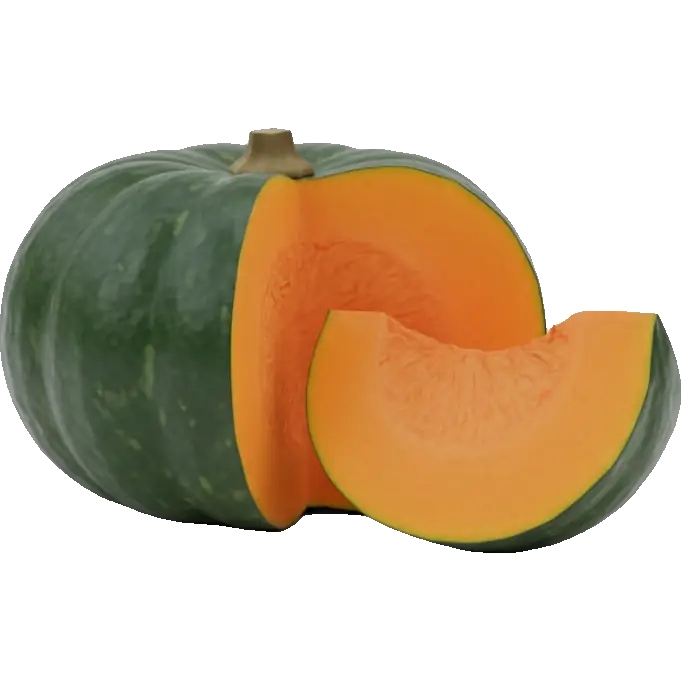


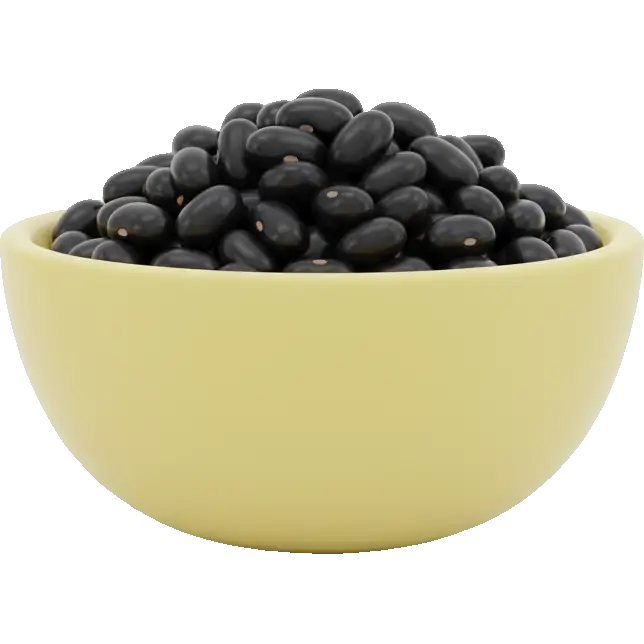



Explore related in Legumes/Pulses
Compare similar foods to build a personalized list of swaps that work for your system.

Polyols Guide
Everything you need to know about polyols sensitivity and smart food choices.
Polyols (sugar alcohols) are found naturally in some fruits and vegetables, and are used as artificial sweeteners. They're poorly absorbed and can cause digestive symptoms, especially in IBS sufferers.
Sensitivity varies widely. What triggers one person may be fine for another. Track your reactions to find your personal threshold.

These foods are generally well-tolerated for Polyols sensitivity:
View all safe options







These foods have moderate levels and may be tolerated in small amounts:








These foods are high in polyols and may trigger symptoms:
View full list







If you're sensitive to Polyols, consider these strategies:
- 1Avoid sugar-free products with sorbitol, mannitol, xylitol, maltitol
- 2Stone fruits are naturally high in polyols
- 3Cooking doesn't reduce polyol content
- 4Avocado portion size matters - small amounts may be fine
- 5Cauliflower and mushrooms are common triggers
Pro tip: Keep a food diary to track your reactions. The Triggerbites app makes this easy with automatic pattern detection.
Want personalized tracking?
Download Triggerbites to log meals, track symptoms, and discover your unique triggers.
Get the AppFAQ
Is adzuki beans high in Polyols?
Polyols: low signal for most people.
Can I still eat adzuki beans if I'm sensitive to Polyols?
Usually fine in normal portions.
What else should I check?
Check GOS, Lectin, and AIP next for a fuller picture.