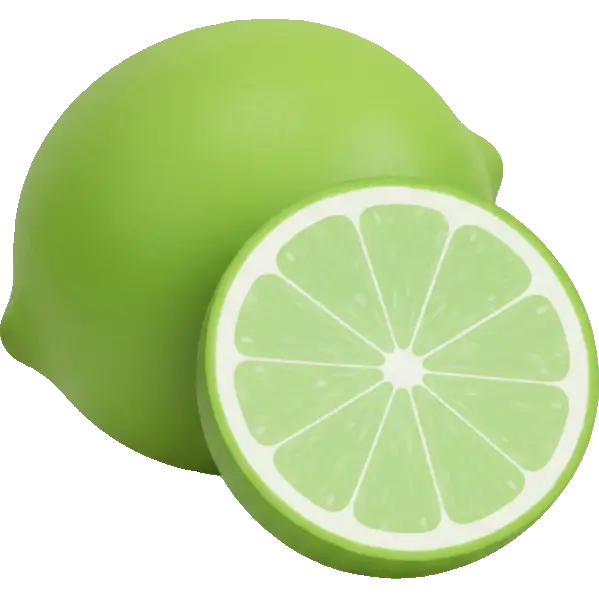
persian lime
Fruit
Is persian lime high in oxalates?
Is persian lime high or low in oxalates? See its exact rating, how much counts as a portion, and its FODMAP, salicylate, oxalate and diet compatibility in one place.
Related checkers
Compare persian lime across criteria
Sensitivity notes
Why oxalates food checker matters
Oxalates are compounds found in many plant foods that can bind with calcium to form crystals. High oxalate intake may contribute to kidney stones in susceptible individuals and can cause other symptoms in those with oxalate sensitivity.
- Stay well-hydrated to help prevent oxalate crystal formation
- Pair high-oxalate foods with calcium-rich foods to bind oxalates
- Cooking and boiling can reduce oxalate content in some foods
- Spread oxalate intake throughout the day rather than one large dose
- Consider probiotics - some gut bacteria break down oxalates
Sensitivities
What persian lime contains
FODMAPs
Histamine & Amines
Plant compounds
Irritants
Additives
Allergens
Diet fit
Where persian lime fits
Therapeutic diets
Lifestyle diets
Religious diets
What to know about persian lime
The Persian lime is the seedless, thick-skinned, deep green lime that accounts for almost every lime sold in a supermarket, as opposed to the small, seedy, more perfumed key lime. Two things are worth knowing before you log it. First, our generic lime entry grades histamine liberator D, while this cultivar's own row leaves that column unrated, and nothing about seedlessness would change how a lime behaves, so if histamine is your trigger you should treat Persian lime as a liberator until your own log says otherwise. Second, it grades C for salicylates and C for oxalates, both borderline, and it is loaded with furanocoumarins. Those are the compounds behind lime phytophotodermatitis, the delayed blistering rash people call margarita burn, which is a skin contact reaction to juice plus sunlight rather than anything you ate.
Watch for
- Histamine liberator is unrated (U) on this row while our general lime entry is D and lemon, orange and mandarin are all D.Read that gap as missing data on a cultivar, not as a safer lime.
- Salicylates C and oxalates C, both borderline rather than high.The catch is concentration: juice and especially zest pack several limes into one dish, so a marinade or a round of cocktails is a much bigger dose than the grade implies.
- Phytophotodermatitis is the distinctive lime problem and it is not a food reaction.Juice on skin plus daylight produces a burning red streak or blister 24 to 72 hours later, often followed by brown staining that lasts weeks. Measured furanocoumarin profiles put Persian lime at or above key lime for phototoxic potential, and the peel carries these compounds at 13 to 182 times the concentration of the pulp, so zesting and wedge-cutting are the risky jobs. Rinse hands and board.
- Limes carry the same class of furanocoumarins that drive the grapefruit drug interaction, at lower levels.If you are on a medication that comes with a grapefruit warning and you drink lime juice in quantity, that is a question for your pharmacist rather than an assumption either way.
- Nickel B, glutamates B, FODMAP B and SIBO B.No single alarm, but four borderline columns on a fruit you squeeze over everything adds up faster than the mental category of "just a squeeze of lime" suggests.



Explore related in Fruit
Compare similar foods to build a personalized list of swaps that work for your system.


Oxalates Guide
Everything you need to know about oxalates sensitivity and smart food choices.
Oxalates are compounds found in many plant foods that can bind with calcium to form crystals. High oxalate intake may contribute to kidney stones in susceptible individuals and can cause other symptoms in those with oxalate sensitivity.
Sensitivity varies widely. What triggers one person may be fine for another. Track your reactions to find your personal threshold.
These foods are generally well-tolerated for Oxalates sensitivity:
View all safe options







These foods have moderate levels and may be tolerated in small amounts:







These foods are high in oxalates and may trigger symptoms:
View full list





If you're sensitive to Oxalates, consider these strategies:
- 1Stay well-hydrated to help prevent oxalate crystal formation
- 2Pair high-oxalate foods with calcium-rich foods to bind oxalates
- 3Cooking and boiling can reduce oxalate content in some foods
- 4Spread oxalate intake throughout the day rather than one large dose
- 5Consider probiotics - some gut bacteria break down oxalates
Pro tip: Keep a food diary to track your reactions. The Triggerbites app makes this easy with automatic pattern detection.
Want personalized tracking?
Download Triggerbites to log meals, track symptoms, and discover your unique triggers.
Get the AppFAQ
Is persian lime high in Oxalates?
Oxalates: moderate signal - portion size matters.
Can I still eat persian lime if I'm sensitive to Oxalates?
Try smaller portions and space it out.
What else should I check?
Check Acidic Foods, Reflux Diet, and Salicylates next for a fuller picture.