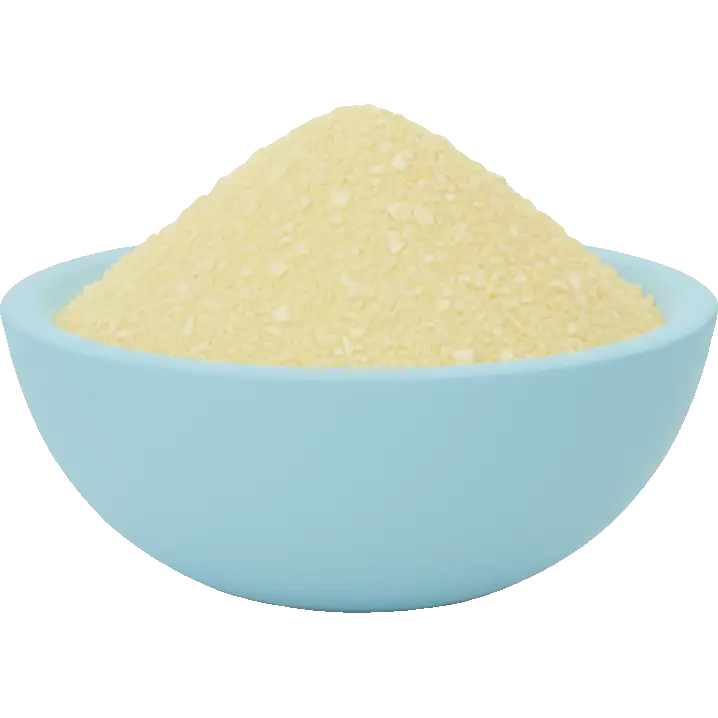
evaporated corn sweetener
Sweeteners
Is evaporated corn sweetener high in oxalates?
Is evaporated corn sweetener high or low in oxalates? See its exact rating, how much counts as a portion, and its FODMAP, salicylate, oxalate and diet compatibility in one place.
Related checkers
Compare evaporated corn sweetener across criteria
Sensitivity notes
Why oxalates food checker matters
Oxalates are compounds found in many plant foods that can bind with calcium to form crystals. High oxalate intake may contribute to kidney stones in susceptible individuals and can cause other symptoms in those with oxalate sensitivity.
- Stay well-hydrated to help prevent oxalate crystal formation
- Pair high-oxalate foods with calcium-rich foods to bind oxalates
- Cooking and boiling can reduce oxalate content in some foods
- Spread oxalate intake throughout the day rather than one large dose
- Consider probiotics - some gut bacteria break down oxalates
Sensitivities
What evaporated corn sweetener contains
FODMAPs
Histamine & Amines
Plant compounds
Irritants
Additives
Allergens
Diet fit
Where evaporated corn sweetener fits
Therapeutic diets
Lifestyle diets
Religious diets
What to know about evaporated corn sweetener
Evaporated corn sweetener is dried corn syrup with a softer name on the ingredient line, the corn-side cousin of "evaporated cane juice". The important thing to know is that "corn sweetener" is an umbrella term rather than a precise one: it stretches across glucose-dominant corn syrups and, on some labels, blends that carry a real free-fructose load. That imprecision is why we grade it C for total FODMAPs, C for excess fructose and C for SIBO fermentability rather than clean. Moderate and dose dependent, in other words: a teaspoon in a sauce is a different proposition from a sweetened drink. It is not high fructose corn syrup, and the gap is wide. HFCS grades E for FODMAPs, E for excess fructose and E for SIBO because enzymatic conversion deliberately pushes a large share of its glucose over to fructose. Plain corn syrup sits at C and C alongside evaporated corn sweetener. Everything outside sugar chemistry is quiet: A for histamine and histamine liberation, salicylates, oxalates, gluten, lactose, dairy protein, nickel, sulfites and glutamates.
Watch for
- C for excess fructose and C for total FODMAPs, so it is a portion-dependent trigger.Baked goods, sauces and sweetened drinks stack it faster than the ingredient list suggests
- Also C for SIBO fermentability, which matters if rapidly fermentable free sugars are the pattern you keep seeing in your log rather than a specific food chemical
- Not the same as high fructose corn syrup.If you have been avoiding HFCS specifically, note that HFCS grades E for FODMAPs, excess fructose and SIBO while ordinary corn sweetener grades C
- Corn derived, so it is gluten free at A despite coming from a grain.Useful to know when you are scanning a label with coeliac disease and the word "corn syrup solids" appears next to wheat ingredients
- The naming pattern is worth distrusting on principle.The FDA refused the Corn Refiners Association petition to rename HFCS as "corn sugar" in May 2012, and told manufacturers to drop "evaporated cane juice" in 2016. Softened sweetener names on a label are a marketing choice, not a compositional one
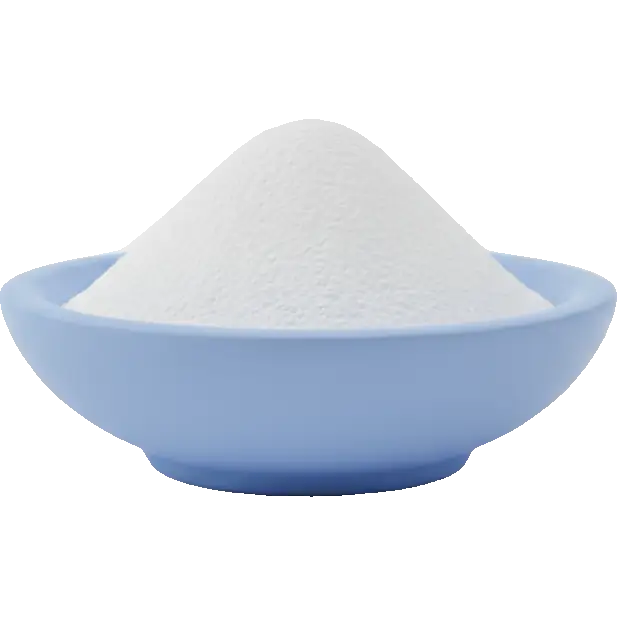
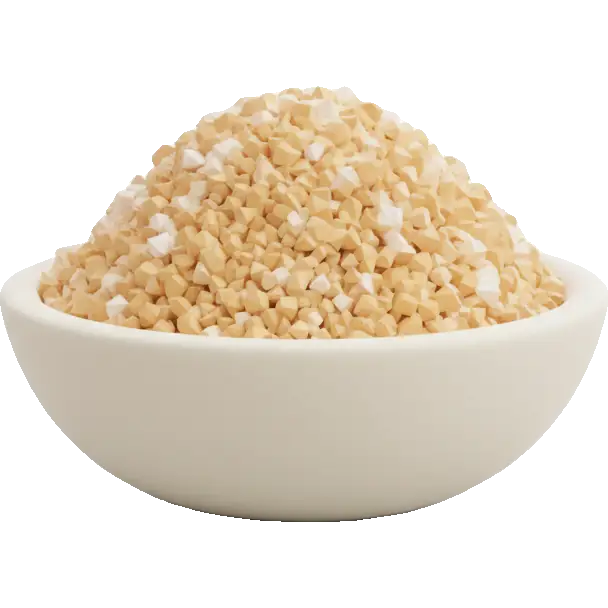
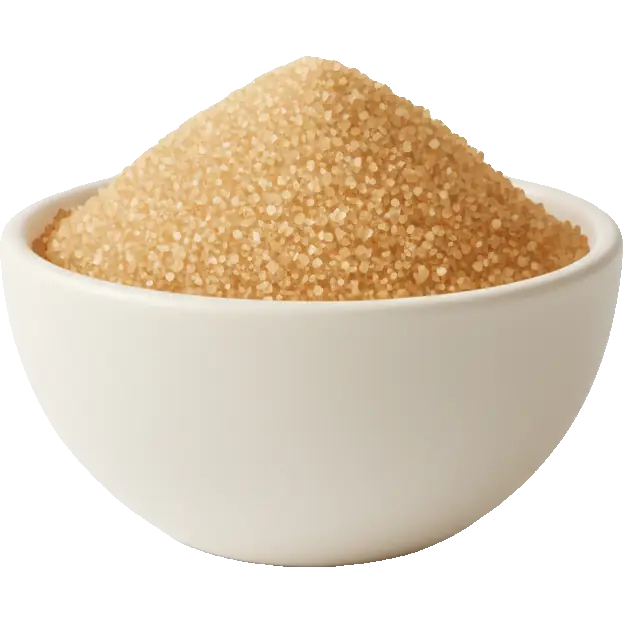


Explore related in Sweeteners
Compare similar foods to build a personalized list of swaps that work for your system.

Oxalates Guide
Everything you need to know about oxalates sensitivity and smart food choices.
Oxalates are compounds found in many plant foods that can bind with calcium to form crystals. High oxalate intake may contribute to kidney stones in susceptible individuals and can cause other symptoms in those with oxalate sensitivity.
Sensitivity varies widely. What triggers one person may be fine for another. Track your reactions to find your personal threshold.
These foods are generally well-tolerated for Oxalates sensitivity:
View all safe options







These foods have moderate levels and may be tolerated in small amounts:







These foods are high in oxalates and may trigger symptoms:
View full list





If you're sensitive to Oxalates, consider these strategies:
- 1Stay well-hydrated to help prevent oxalate crystal formation
- 2Pair high-oxalate foods with calcium-rich foods to bind oxalates
- 3Cooking and boiling can reduce oxalate content in some foods
- 4Spread oxalate intake throughout the day rather than one large dose
- 5Consider probiotics - some gut bacteria break down oxalates
Pro tip: Keep a food diary to track your reactions. The Triggerbites app makes this easy with automatic pattern detection.
Want personalized tracking?
Download Triggerbites to log meals, track symptoms, and discover your unique triggers.
Get the AppFAQ
Is evaporated corn sweetener high in Oxalates?
Oxalates: low signal for most people.
Can I still eat evaporated corn sweetener if I'm sensitive to Oxalates?
Usually fine in normal portions.
What else should I check?
Check Inflammation, AIP, and Mediterranean next for a fuller picture.